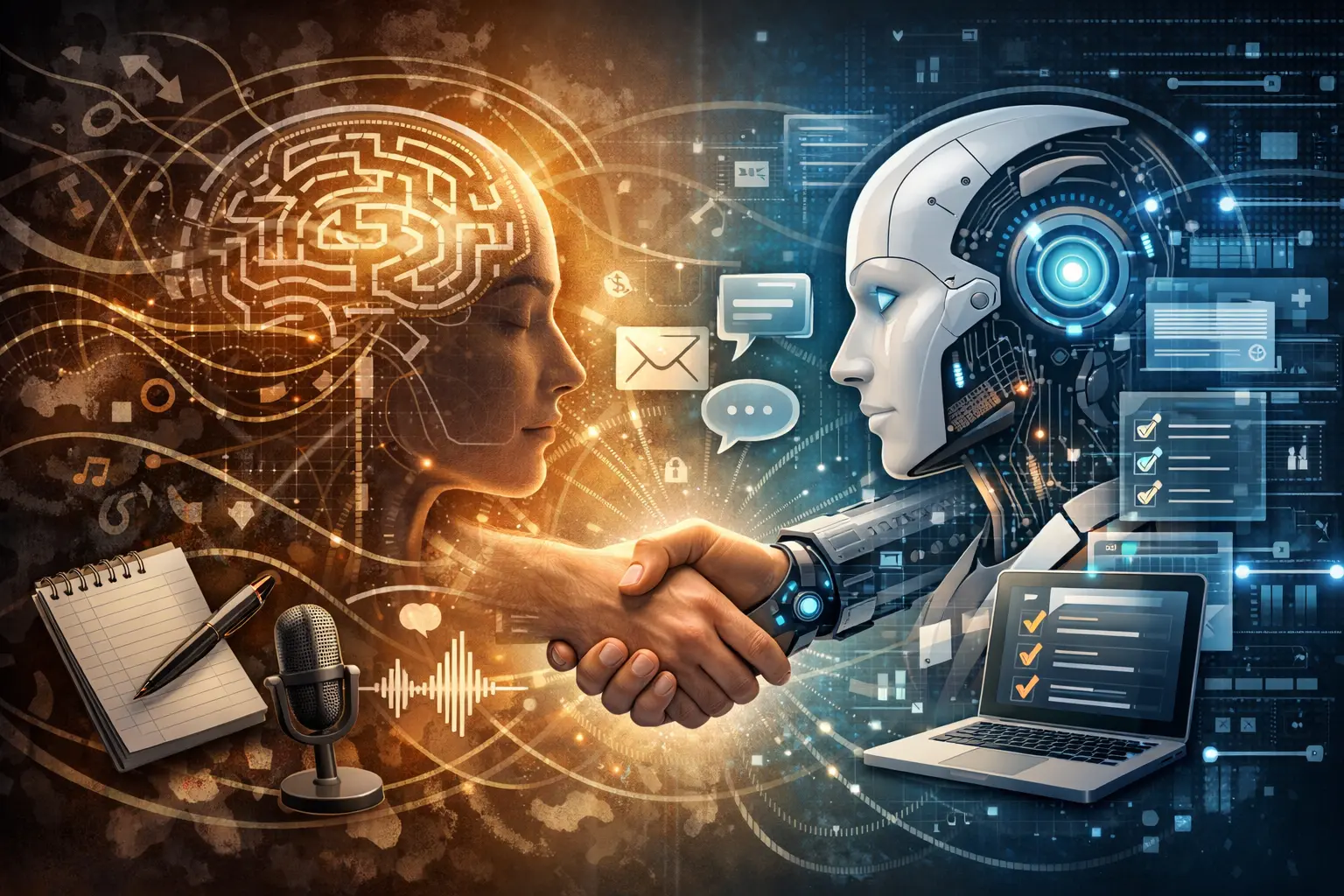
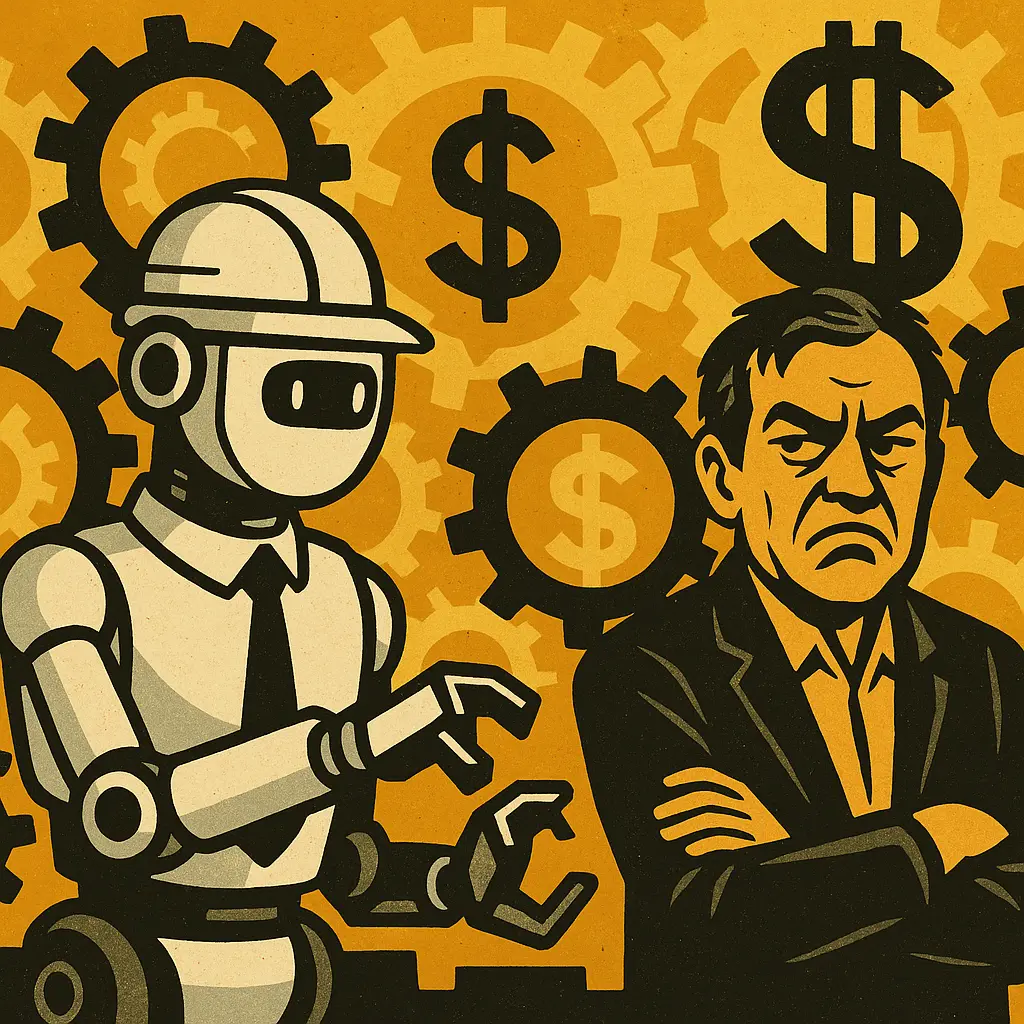
In recent years, the rise of artificial intelligence has stirred public anxiety, particularly around the idea that AI is here to “steal jobs.” On the surface, it’s a fair concern. But when you scratch a little deeper, you find the real problem isn’t the technology itself—it’s the system we’re embedding it into. The outrage should not be directed at the tool, but at the hands that hold it.
The Original Deal of Civilization
Civilization began as a shared survival strategy. Tasks needed to be done—farming, building, teaching, healing—and so societies developed systems of trade and compensation to ensure everyone chipped in. Money evolved as a practical tool to coordinate contribution and reward. Work and currency were born out of necessity: to keep the machine of civilization running.
But that necessity is evolving.
The Promise of AI: A Future with Less Toil
We now possess tools that can perform many of the repetitive, tedious, and cognitively exhausting tasks that humans have had to endure for centuries. AI can analyze vast datasets, answer customer queries, optimize supply chains, and even compose music or assist with design.
These developments should be good news. They should signal the dawn of a more liberated era—one where humans are freed from survival labor and can pursue creativity, care, curiosity, and rest.
But that future is not unfolding.
So Why Isn’t It Happening?
If machines can do the work, why aren’t we seeing shorter workweeks, universal basic income, or enhanced quality of life?
The answer is simple: because the rewards of automation aren’t being shared. They’re being hoarded.
In our current economic system, productivity gains don’t translate into shared prosperity. They become profit margins for a small minority. Workers don’t get more time off; they get laid off. Freed labor doesn’t result in more freedom—it results in more precarity.
AI isn’t stealing jobs. Corporations are.
The System is the Saboteur
We fear AI because we know, intuitively, that our survival is still tethered to our economic usefulness. If we can be replaced, we can be discarded.
But that only holds true in a system where value is measured in profit. If we restructured society to measure value in human well-being, automation would be a gift.
Imagine if AI were treated as a public good, developed and deployed in service of everyone. Imagine if its productivity gains funded universal healthcare, education, and guaranteed income.
We have the power to design systems where technology lifts everyone, not just the elite.
The Fork in the Road
We’re standing at a pivotal crossroads. One path leads to further concentration of wealth and social instability, as technology accelerates inequality. The other leads to an age of collective liberation, where humans are free to live, grow, and contribute on their own terms.
We must stop asking whether AI will take our jobs. We must start asking why the survival of human beings is still conditional on having one.
Because the truth is: AI didn’t create the problem. It only revealed it.
“People fear AI because they suspect, deep down, that their value is measured only by their usefulness to the economy. But we have the opportunity to redefine that value—and to reclaim our time, our dignity, and our future.”
The future of work isn’t about jobs. It’s about justice.