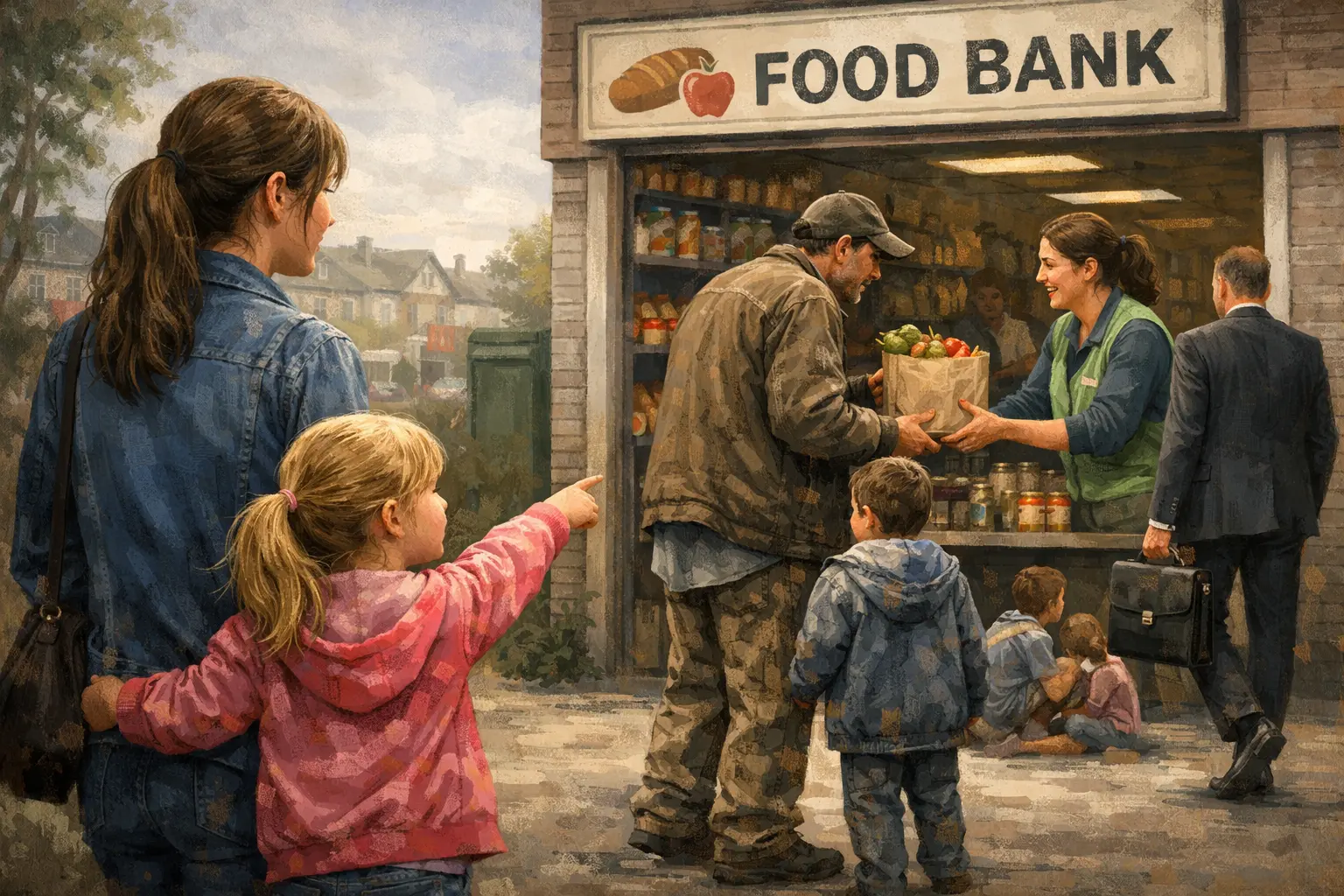
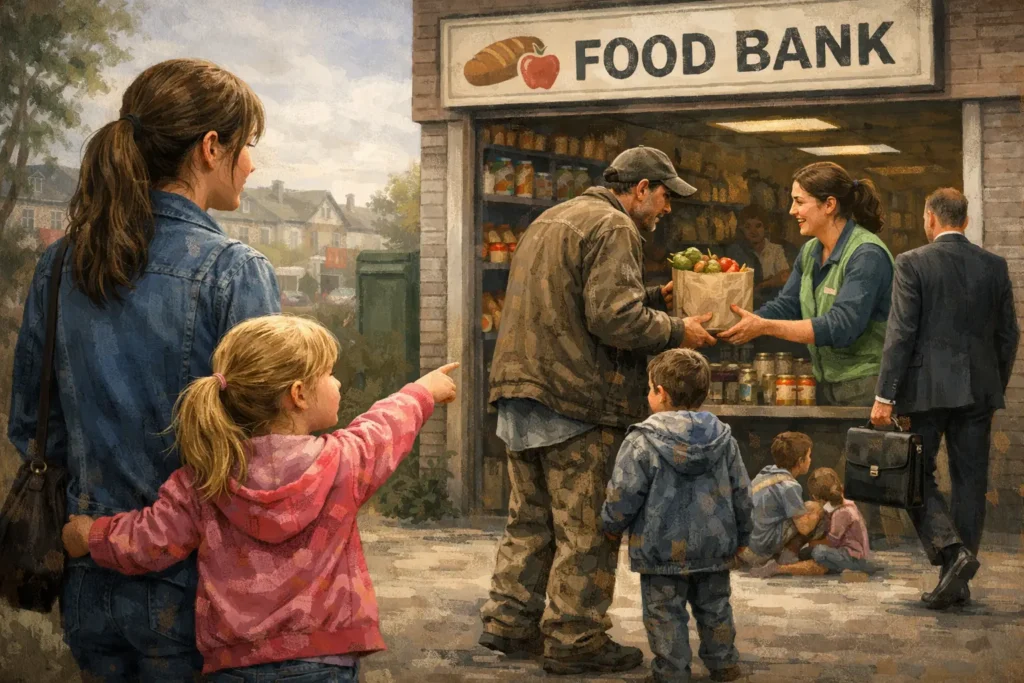
This is a real exchange I overheard between a mother and her little girl while out shopping. I’ve reproduced it as faithfully as memory allows:
Child (pointing at a food bank): What are those for?
Mother: They are banks set up to make sure no little children go hungry. You see, some mummies and daddies don’t have jobs, and can’t afford to put food in their children’s tummies.
Child (enthusiastically): It’s a good job you have one to put food in mine!
Mother: Yes. But it would be good if daddy got one too, wouldn’t it.
We have all heard the popular idea that it takes 10,000 hours of practice to master a skill. Play your guitar for that long and you will be a virtuoso. Paint for that long and you will know the brush like your own fingers. Write for that long and you will dance fluently with language.
Here is the uncomfortable question that is rarely asked in motivational seminars: What if you have been putting in your hours, but into becoming something you never intended to be?
The Brain Does Not Care What You Practice
Your brain is a pattern-making machine that rewards repetition. It does not stop to ask whether the habit you are building is good for you, whether it aligns with your values, or whether it is slowly strangling your spirit.
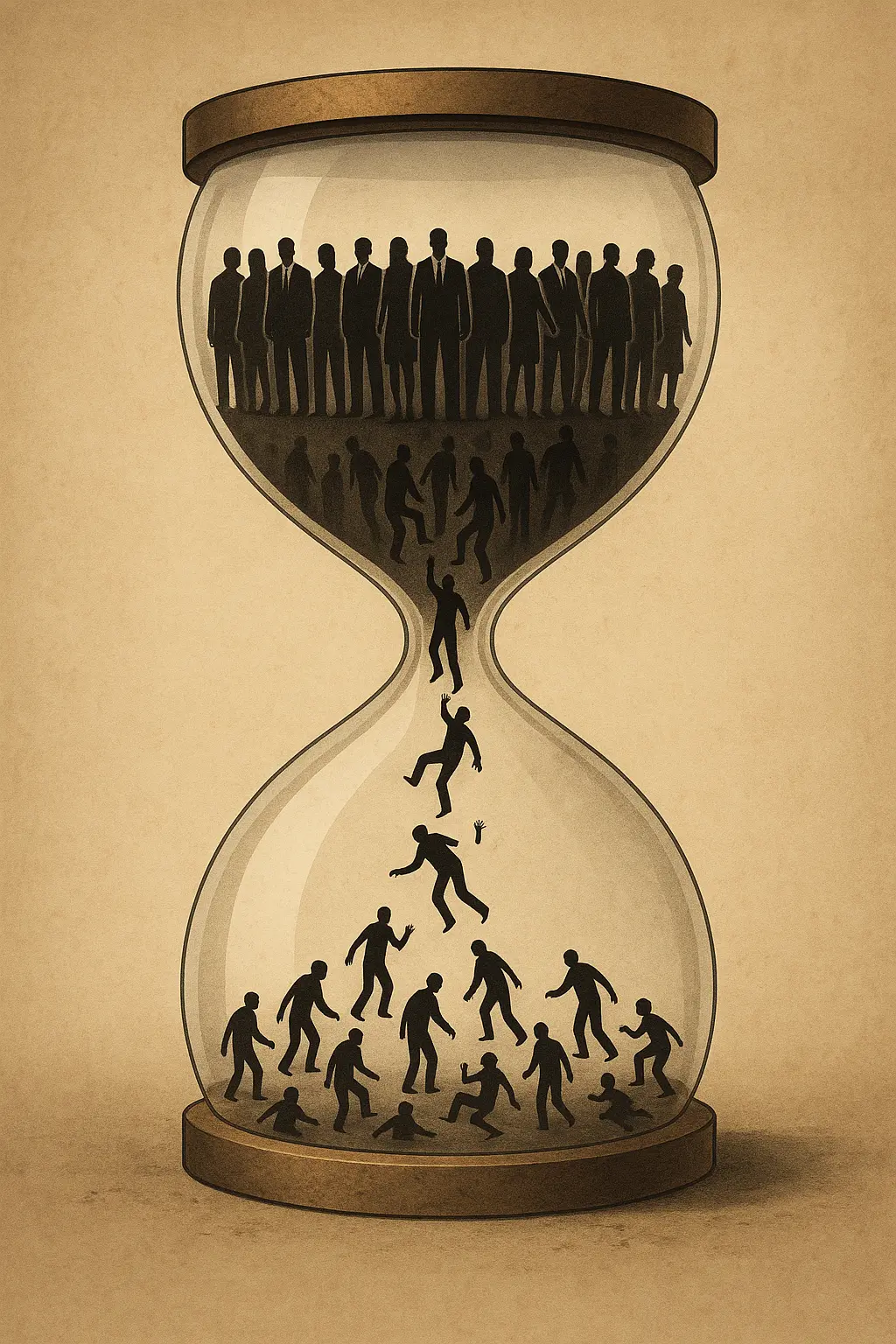
If you have spent years submitting to systems, you are not just surviving. You are learning to submit. You are becoming fluent in self-silencing, pleasing authority, and clock-watching.
This is why “I have been doing this for years” is not always a badge of honour. Sometimes it means you have spent years perfecting a cage.
Work as a Covert Training Ground
The workplace can be a breeding ground for this kind of unintentional mastery. A dead-end job does not only give you a payslip. It gives you muscle memory for compliance.
You get good at the customer service smile. You get good at keeping your head down when things are not right. You get good at swallowing the words you actually want to say.
Clocking in and zoning out is not neutral. It is conditioning. It is training you to keep existing inside a box, even when the lid is wide open.
When Mastery Becomes Entrapment
There is a cruel irony in becoming excellent at something you never wanted in the first place.
“They say I am great at my job,” you tell yourself. But is it a job you truly chose? Or is it a job you got trapped in because you became too good at surviving it?
Once you have invested thousands of hours into a coping strategy, it can become harder to leave it behind. You have built identity around it. You have mastered the art of endurance in a place that does not deserve your loyalty.
The Sword Cuts Both Ways
Mastery is not inherently good. It is simply focus repeated over time. The sword cuts both ways.
You can become a master of freedom, creativity, and self-direction. You can also become a master of obedience, self-erasure, and learned helplessness.
You are always becoming something. The question is: is it something you would choose?
Redemption Through Repatterning
The good news is that mastery can be rewired. Every skill you have mastered in the service of survival can be repurposed for something better.
The adaptability you learned under pressure can fuel your creativity. The patience you built in monotonous routines can become the discipline that drives your art. The diplomacy you honed with unreasonable bosses can become a superpower for navigating your own projects and relationships.
Awareness is the first cut that breaks the loop. From that moment, every hour you spend becomes an act of reclamation.
Do not just chase mastery. Ask yourself, mastery of what? And in service of whom?
Your 10,000 hours are precious. Spend them like they matter.
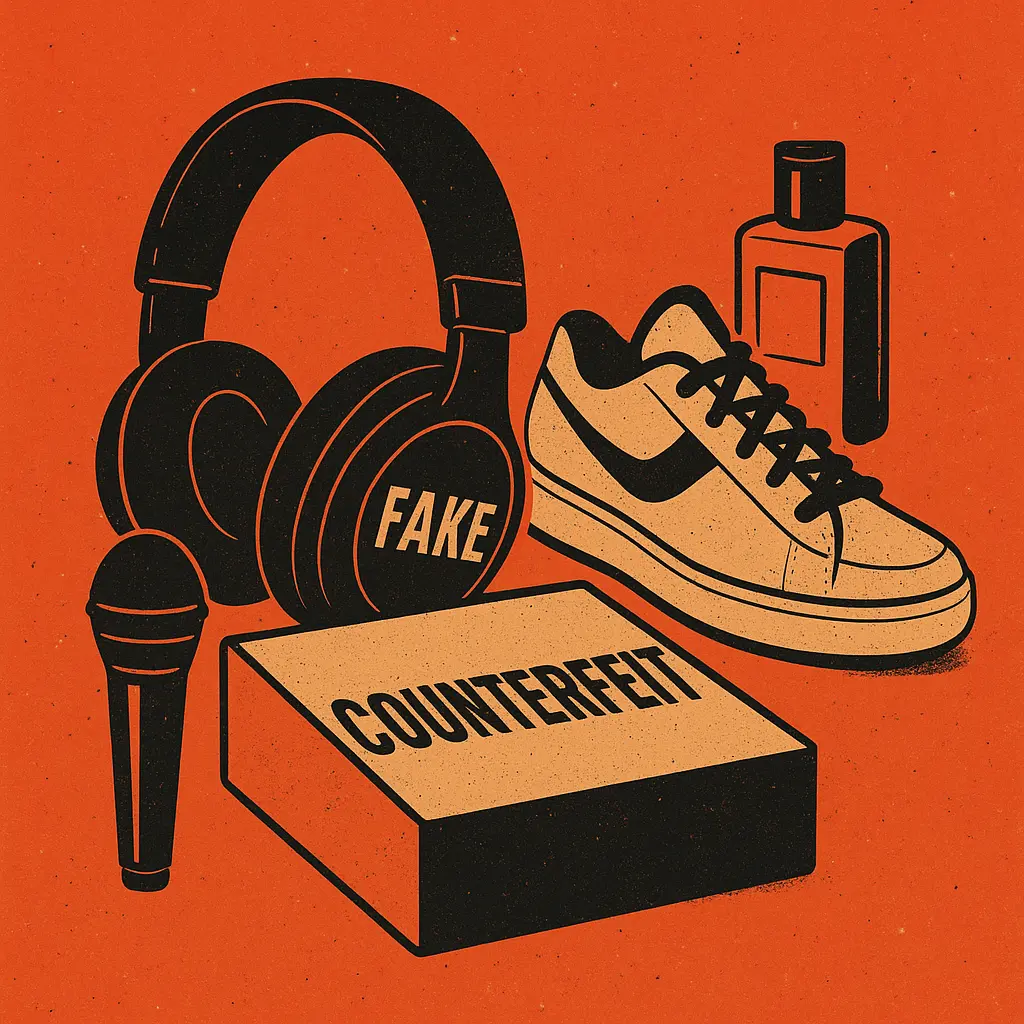
We live in an age where the line between genuine and fake is becoming alarmingly blurred. With online marketplaces like Amazon and eBay flooded with counterfeit goods—often poor-quality imitations from anonymous sellers—consumers are losing the ability to trust what they’re buying. You may think you’re holding a legitimate product, but it might just be a convincing fake. This isn’t just about getting ripped off—it’s about something deeper: a quiet erosion of quality, trust, and economic fairness.
1. The Saturation of the Market with Fakes
Counterfeit goods are no longer confined to shady back-alley dealers or sketchy websites. They’re on the front pages of major retailers. Anyone can set up a seller account and start listing items under familiar brand names, complete with faked logos, photos, and even fake reviews. From Shure microphones to Hakko soldering irons to Yamaha saxophone mouthpieces—I’ve seen these counterfeits firsthand, and it’s almost impossible to tell at a glance.
2. When Brand Names Stop Meaning Anything
A brand was once a seal of quality. Now? It’s little more than a decorative badge. Counterfeiters hijack brand recognition while delivering none of the quality. Even reputable retailers have unknowingly stocked fakes. Trust in brands is being systematically dismantled—and with it, the very purpose of branding as a concept.
3. Hidden Exploitation Behind the Curtain
Most counterfeits aren’t just cheap—they’re cheap for a reason. Many are produced in factories with little regard for worker safety, fair wages, or environmental standards. When we buy these items—often unknowingly—we’re indirectly supporting unethical labor practices and contributing to unsustainable global supply chains.
4. Normalizing Mediocrity
The more we’re exposed to fakes, the more they become the norm. Subpar performance, shoddy materials, and quick failures all become “just how things are.” This desensitization gradually lowers public expectations for quality across the board—and that bar may never rise again.
5. Quality Comes at a Price—A Higher One Than Before
To get the real deal now takes research, effort, and often a significant markup. Verifying a product’s authenticity often means ordering directly from the manufacturer or a highly vetted supplier, sometimes even importing from overseas. That’s time, effort, and money the average buyer might not have.
6. A New Form of Gatekeeping
When the only way to ensure quality is to pay more or jump through verification hoops, we start drifting toward class-based access to authenticity. The wealthy can afford the genuine article, while everyone else must settle for “close enough.” And when the tools you buy affect the quality of your work, this becomes a systemic disadvantage—where privilege quietly amplifies itself.
7. So What Can We Do About It?
This problem can feel overwhelming—especially when even trusted retailers are compromised. But while we may not be able to stop the tide of counterfeits alone, we’re not entirely powerless. Here are some steps that can help reclaim a little control:
Be a Skeptical Shopper Don’t trust a listing just because it has hundreds of positive reviews. Check for oddly worded product descriptions, low-resolution images, or sellers with inconsistent names and histories. Search Reddit, forums, or YouTube for authenticity comparisons when in doubt.
Buy from Authorized Dealers Whenever possible, purchase directly from the manufacturer’s website or an official distributor. Many brands have a ‘Where to Buy’ section listing authorized sellers. Yes, it might cost more—but it often saves more in the long run.
Choose Quality Over Quantity Rather than buying five cheap tools or accessories, invest in one solid item that will last. It’s a form of rebellion against disposable culture, and it’s better for your wallet (and the planet) in the long term.
Spread Awareness If you discover a counterfeit, speak up. Report it to the platform, warn others online, and share your experience. Your voice might prevent someone else from being duped.
Support Regulation and Accountability Push for greater platform accountability. These retailers have the resources to implement verification systems—they just need public pressure to prioritize them. Consumer movements and watchdog groups can make a difference over time.
Advocate for Fair Pricing Counterfeit culture thrives because authentic products are increasingly priced out of reach. The long-term solution must include making quality accessible, not exclusive. That requires systemic change, but acknowledging the issue is the first step.
In short:
We can’t shop our way out of this problem—but we can shop with more awareness, demand better from sellers and platforms, and help each other navigate the fog of modern consumerism.