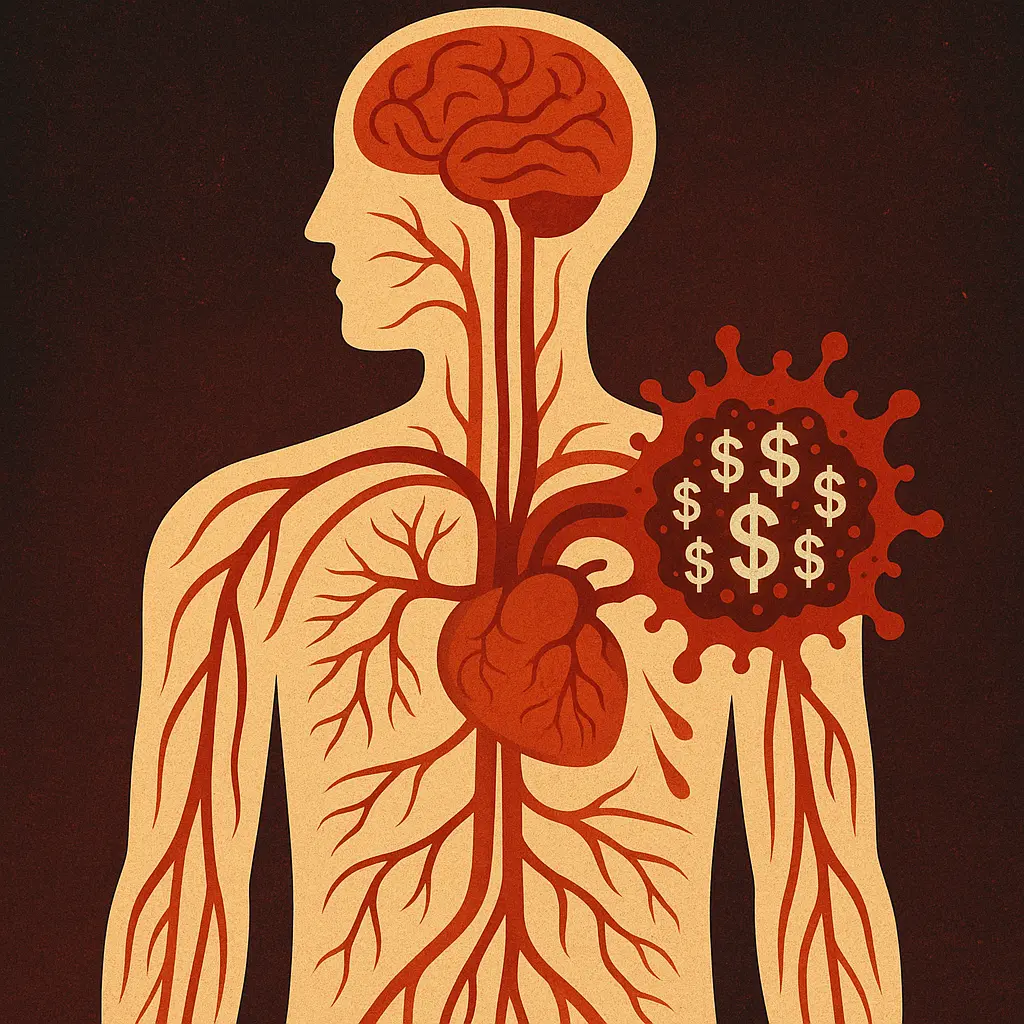
Wealth as Blood Clot: The Real Parasites of Society

Money is more than currency. It’s the lifeblood of society—an abstract representation of energy, value, labor, and potential. It flows (or should flow) through the social body, facilitating action, growth, and survival. Every job done, every meal eaten, every home lived in is ultimately mediated by this symbolic fluid. It moves resources, motivates behavior, and governs who lives comfortably and who suffers.

But like blood, money can clot. And when it does, it becomes dangerous.

The accumulation of wealth—especially in massive, unspendable quantities—acts not as a facilitator of society, but as a blockage. Rather than circulating where it’s needed, wealth becomes trapped in symbolic reservoirs: offshore accounts, luxury assets, and inflated portfolios. It stops serving its organic function and instead becomes a self-sustaining monument to individual power.

This hoarding of potential is rarely about need. Nobody requires a billion dollars to live. The purpose of this accumulation is more psychological than practical—it’s a fortress, a deterrent, a cold war stockpile of “just in case” power. A performance of untouchability. A message to the rest of the world: Don’t challenge me. I can crush you. In this sense, hyper-wealth acts like nuclear armament—more a threat than a tool.

We have entered an era where individuals possess wealth that rivals the GDP of nations. And with this imbalance comes risk—not only to economies, but to democracy itself. One person’s whim can now shape public discourse, influence elections, or destabilize entire regions. We are no longer at risk of dictatorships from governments alone. We now face the specter of global dictatorship by wealth.

Meanwhile, society’s most vulnerable are accused of being the drain. The “benefit scroungers.” The disabled. The jobless. The marginalized. They are framed as parasites, leeching off the hard-working majority.

But that narrative is upside down.

Those struggling to survive are not hoarding. They are not stockpiling resources they’ll never use. They are not distorting the flow of society’s lifeblood. If anything, they are the ones most in need of that flow reaching them.

The real parasites are the ones who do hoard. The ones who sit atop mountains of untouched capital while the host organism—society—grows weak. Parasites don’t bleed the system by asking for enough to live; they bleed it by taking far more than they need and giving nothing back.

If we are to examine parasitism honestly, we must look to the organs that no longer circulate resources. The hoarders of lifeblood. The blood clots. The tumors.

A healthy organism distributes. It balances. It adapts to the needs of its parts.

We are not that organism.

Until we challenge the sanctity of accumulation, we will remain a sick society—mistaking our cancers for crowns, and punishing the wounded for bleeding.
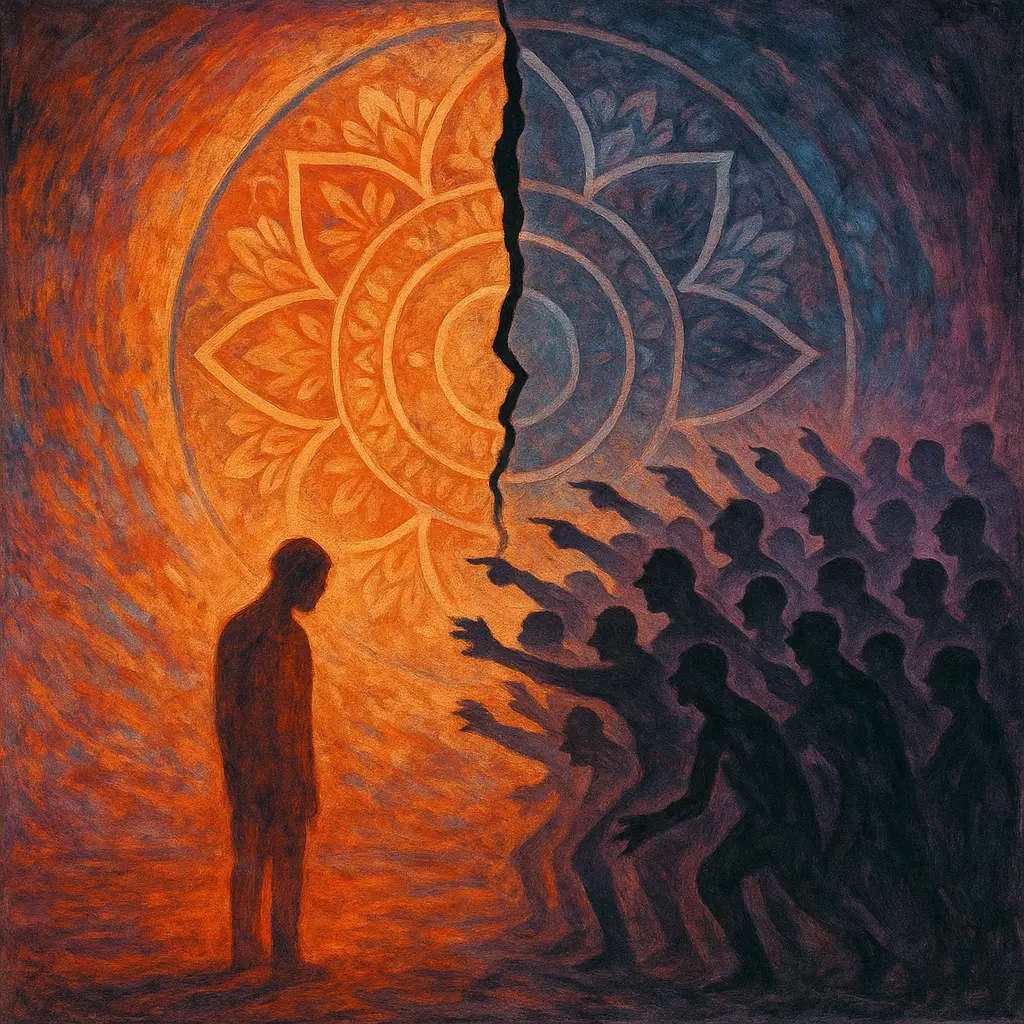
The Shadow of the Mob: How Cancel Culture Reveals Humanity’s Repressed Self

Introduction

Cancel culture is a loaded term—invoked with fury by some, defended as justice by others, and dismissed as overblown by many. But what if we viewed it not as a purely political or cultural phenomenon, but as a psychological one? From a Jungian perspective, cancel culture may be less about individual accountability and more about the collective shadow—humanity’s unconscious darkness—emerging in a digital age that doesn’t yet know how to process it.

What if the mob isn’t merely punishing transgression, but projecting its own repressed qualities onto a convenient scapegoat?

The Collective Shadow and the Archetypal Scapegoat

Carl Jung proposed the concept of the shadow—the unconscious repository of traits we deem undesirable, immoral, or shameful. What we refuse to integrate within ourselves doesn’t vanish; it festers in the dark and seeks expression, often through projection. On a societal level, this becomes a collective shadow, surfacing as we displace our unacknowledged inner material onto others.

The target of a cancellation—a public figure, a peer, an online stranger—often becomes an archetypal scapegoat. In myth and ritual, the scapegoat bears the sins of the tribe and is sacrificed or exiled to restore social equilibrium. Today, the ritual takes place online. The digital firepit is the comment thread. The sin is moral impurity.

But the fervor? That’s religious. Archetypal. Shadow-fueled.

Why Now? The Rise of the Unprocessed Psyche

We live in an age of hyper-visibility and deep fragmentation. Everyone is their own brand, their own broadcaster, their own PR department. Meanwhile, the tools for authentic psychological integration—community, ritual, introspection—have eroded.

Cancel culture thrives in this vacuum. It provides a synthetic moral high. A hit of certainty in a morally ambiguous world. A way to feel good without having to face the disturbing truth: that we, too, contain capacity for cruelty, ignorance, prejudice, and contradiction.

Instead of saying “This reminds me of something in myself I haven’t dealt with,” the unconscious says, “That person is disgusting. Get rid of them.”

The Performance of Virtue and the Fear of Exile

Much of cancel culture is driven by fear—of being next. As a result, virtue is often performed, not lived. We denounce to demonstrate that we are clean, correct, on the right side of history. It’s the modern equivalent of burning a witch to prove you’re not one.

This makes it difficult to speak honestly, to question the herd, or to show nuance—qualities vital for a psychologically healthy society. If one mistake marks you as irredeemable, then redemption as a concept is dead. Growth is irrelevant. All that remains is punishment.

But the shadow requires growth. It demands confrontation, not exile.

Cancel Culture as a Mirror

If we zoom out, cancel culture may be seen as an evolutionary pressure—a flawed but inevitable attempt by the collective psyche to regulate moral boundaries in a new digital terrain. It points to real traumas, power abuses, and social injustices that need redress.

But when we cancel rather than converse, when we exile rather than integrate, we repeat the very cycles we claim to oppose. We become the tyrant we sought to dismantle.

In this light, cancel culture is not the problem—it is the symptom of a deeper, unresolved issue: the collective failure to do shadow work.

Toward a New Integration

If cancel culture is a symptom of shadow repression, then the cure isn’t more silencing. It’s more integration.

This means:

  • Encouraging inner reflection, especially when we feel reactive.
  • Distinguishing between justice and vengeance—they may feel similar, but arise from different places.
  • Valuing growth over purity, recognizing that fallibility is universal, and transformation is possible.
  • Creating space for difficult conversations, where people can be accountable and human.

If humanity is to evolve beyond this recursive purge cycle, we must learn to see our enemies not only as threats, but as mirrors. Not to excuse harm—but to understand where it originates, in them and in us.

Conclusion

We are all being asked to grow up psychologically. The digital age has exposed us to ourselves in ways no previous generation has had to face. The question isn’t whether cancel culture is justified—it’s whether we are ready to look into the mirror it holds up and ask: What am I seeing in them that I refuse to see in myself?

Until we can answer that, the shadow will keep casting new scapegoats for the mob to burn.

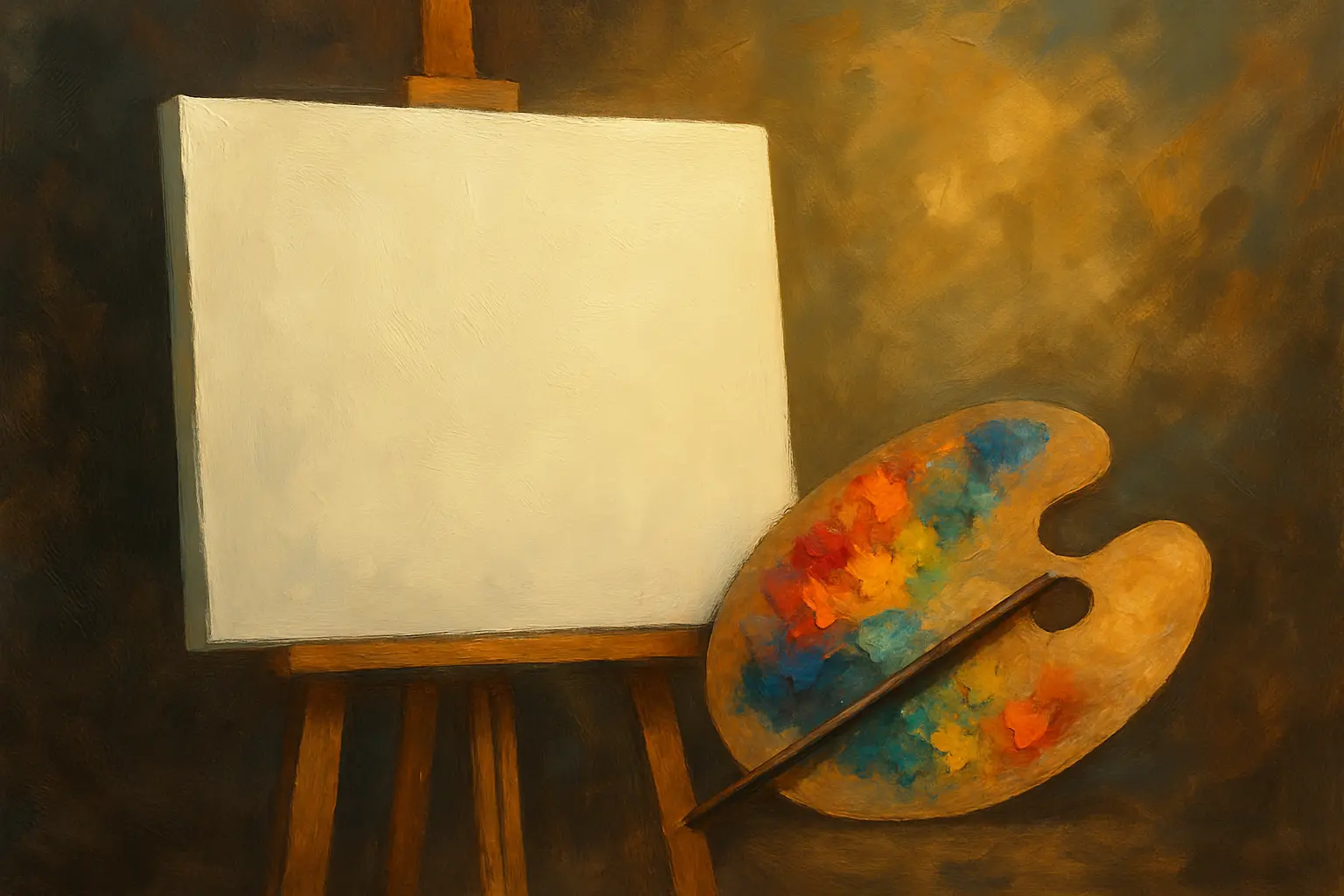
Nihilism: A Blank Canvas, Not a Dead End

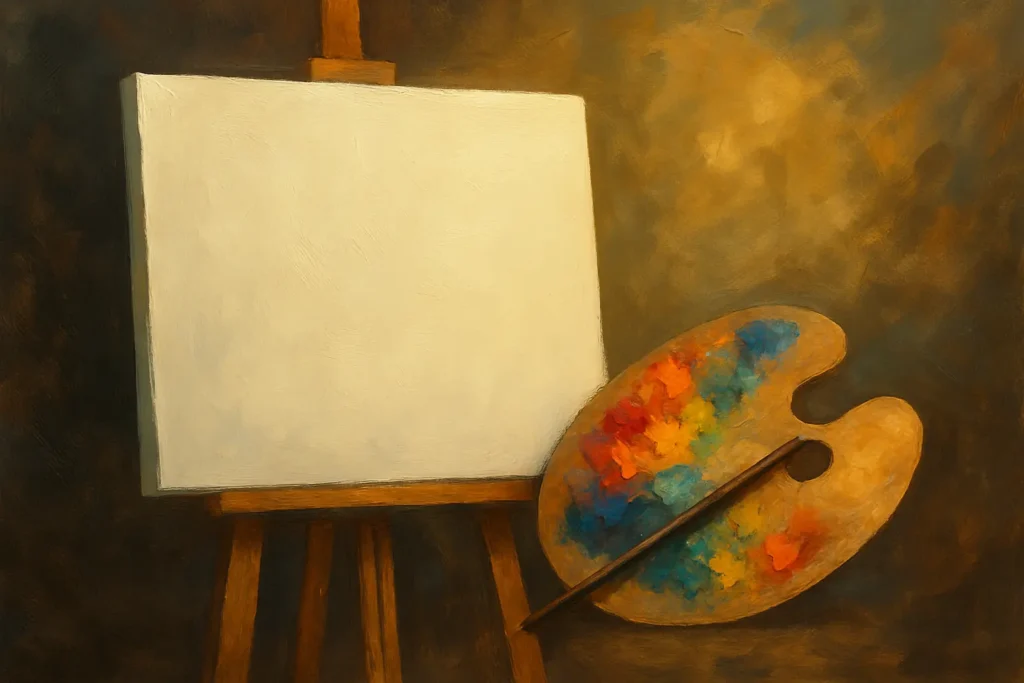
When most people think of nihilism, they often associate it with despair, emptiness, or a sense of meaninglessness. To some, it might feel like a philosophical dead end—a void where no purpose or value can exist. But for those who embrace it fully, nihilism is far from a negative or paralyzing concept. Instead, it’s an open canvas, waiting to be painted with the colors of your own choosing.

At its core, nihilism challenges the idea that inherent meaning exists in the universe. It tells us that there is no predefined purpose, no grand cosmic design, and no higher power dictating our fates. For many, this realization can be unsettling—if nothing has inherent meaning, then what’s the point of anything? But here lies the beauty of nihilism: it frees us from the chains of external expectations and allows us to define our own meaning.

Rather than seeing nihilism as a void or a dead end, it’s more productive to view it as a blank canvas. The absence of preordained meaning gives us the ultimate freedom to create our own. If the universe doesn’t hand us a purpose, then we can craft our own from scratch. This isn’t an invitation to apathy or despair; it’s an invitation to action.

Nihilism, in this light, empowers us. It tells us that we are the authors of our lives, the creators of our own values. It’s not a declaration of emptiness, but of boundless possibility. The absence of meaning can be terrifying at first, but when we shift our perspective, it becomes liberating. It’s a canvas stretched wide across our lives, ready to be filled with whatever we choose.

For many people, this shift in thinking can lead to a deeper appreciation for life. When you know that meaning isn’t handed to you but created by you, every action and every choice becomes imbued with personal significance. Rather than feeling lost in the vastness of an indifferent universe, you can find comfort in knowing that it’s up to you to shape your existence. Nihilism strips away the layers of pretense and leaves you with the raw material of life itself, allowing you to create something real and meaningful on your terms.

In a way, nihilism doesn’t leave you in the dark. It opens the door to a freedom that most people never realize they have. It’s a blank canvas, not a dead end. The question is no longer what is the meaning of life, but how will you create meaning for yourself?

YOLO on a Cosmic Scale: Embracing Agency in the Infinite

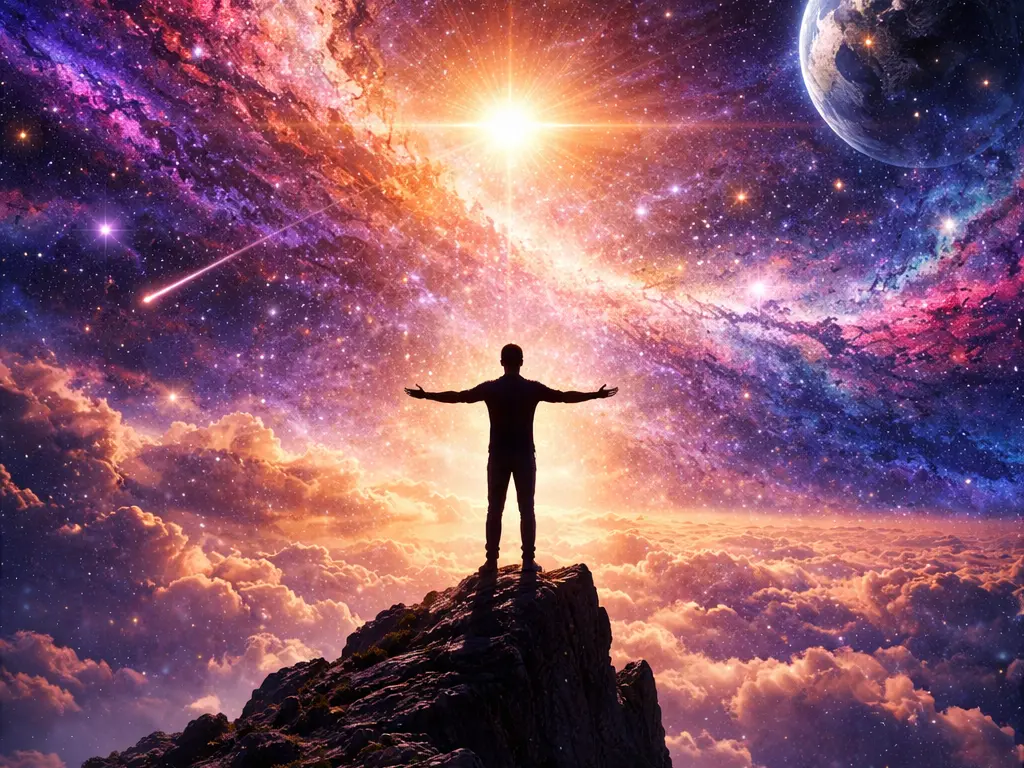
A silhouetted figure stands on a rocky peak above clouds, arms outstretched, facing a vast, colorful star-filled sky with planets and a bright central light.

In a world that often feels governed by rules, limitations, and a narrow sense of time, the phrase “You Only Live Once” (YOLO) tends to capture the essence of seizing the moment and living life to the fullest. But what if this idea could be expanded beyond the individual, beyond the immediate, and into the vastness of the cosmos?

The concept of YOLO on a cosmic scale invites us to consider the significance of our actions within the context of an infinite universe. Our individual lifespans are but a blip on the cosmic radar—so why should we view our limited time on Earth as insignificant? In fact, it’s precisely because of the brevity of our existence that we have the unique agency to shape the world and leave our mark on the universe.

On the cosmic scale, YOLO becomes more than just a call to live recklessly or impulsively. It becomes a recognition that our time, though short, is the only window we have to make a difference. It encourages us to think about the impact we can have—not just in our immediate circle, but in the broader scope of human history, and even beyond that, in the legacy we leave in the fabric of the cosmos itself.

The fleeting nature of life can be overwhelming when viewed through the lens of nihilism, but it can also be deeply empowering. When you recognize that you only have one shot at this life, it calls for a level of intentionality and self-awareness. Every decision, every action you take ripples through the universe in ways you may never fully understand, but that doesn’t make it any less meaningful.

In embracing YOLO on a cosmic scale, we begin to see our lives as part of something larger than ourselves—a series of interconnected events in the endless flow of time. Our agency, then, isn’t a curse; it’s a gift. We are granted the rare opportunity to create meaning and purpose where there once may have been none, to embrace the full spectrum of human experience with awareness and agency.

And perhaps, in doing so, we find a deeper connection to the universe—not as individuals, but as part of something far greater. In that sense, we don’t just live once; we live many lives within the fleeting moment of our own existence, continuously shaping and reshaping the world we leave behind.

The Lie of Eleven: A Thought Experiment on the Edge of Everything

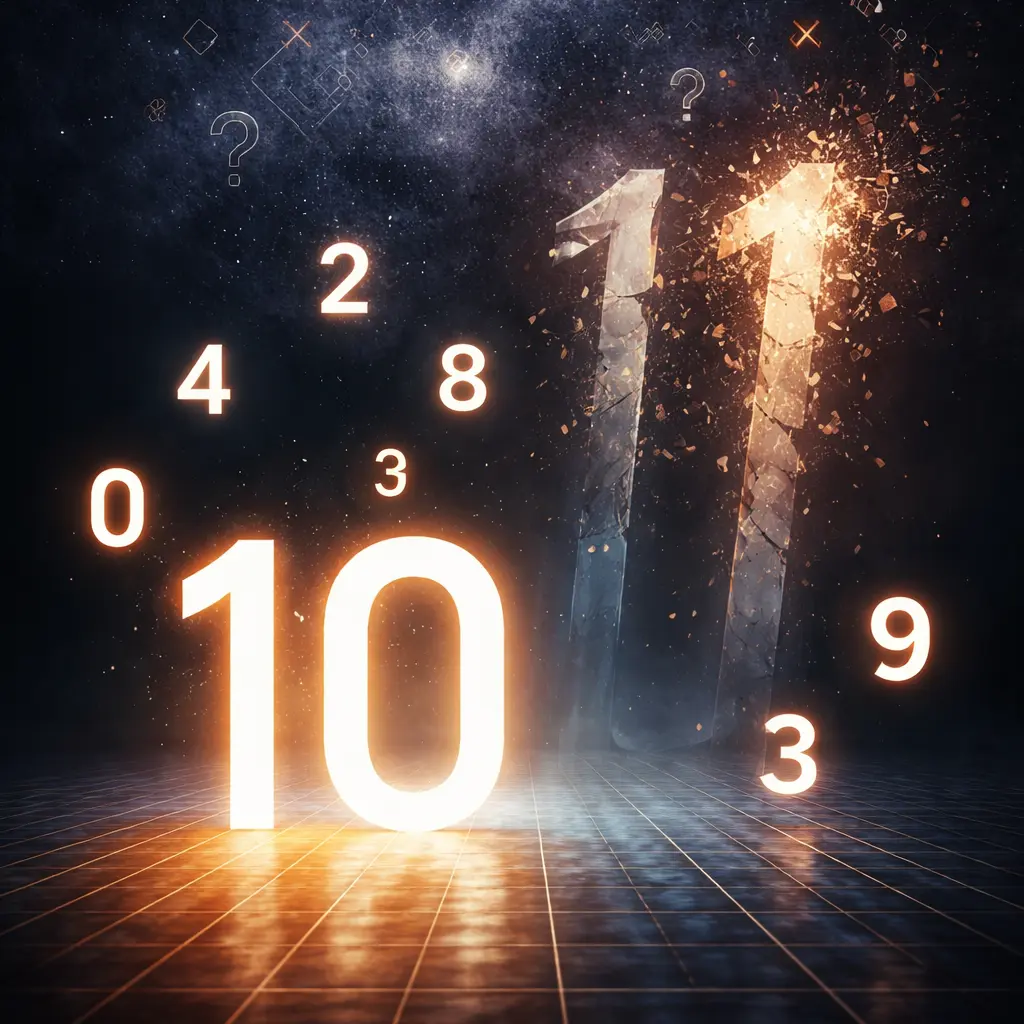
Abstract illustration of glowing numbers, with the number 11 breaking apart beside a large 10.

Infinity. A concept so deeply woven into our understanding of reality that we rarely stop to question it. We accept it as an inherent truth—an unspoken agreement that numbers go on forever, that time stretches infinitely forward, that there is always a ‘next.’

Let’s entertain a different reality. Let’s say numbers don’t go beyond ten. Ten is the ultimate boundary, the absolute limit. If you think you’ve counted twelve eggs in your carton, you’re mistaken. You’re counting wrong. Because eleven and twelve were never real to begin with.

Absurd? Maybe. But let’s look at the mechanics of how we perceive numbers. In a base ten system, we have ten digits—0 through 9. Once we hit ten, we ‘tick over’ to another column, and the cycle begins anew. The first column repeats, oblivious to the fact that a change has occurred in a higher dimension. Each cycle forces this change elsewhere, but within its own existence, nothing appears to be different. The numbers keep ticking by, unaware of the mechanism that allows them to continue.

What if that next column never actually existed? What if, at ten, the system simply stopped? Not paused. Not wrapped around. Just… stopped. If the ‘next’ number can’t exist, then what happens? Does everything collapse? Or does reality—like thought itself—transcend the limitation and unfold into something else?

That’s the real question. We assume infinity is real because we are terrified of the alternative. If there is an end, then everything we know is finite, including us. But our fear of that end might just be blinding us to something greater. The first column—the numbers, the cycles, the repetition—may be nothing more than the shadows on Plato’s cave wall. They do not know they are forcing something to change beyond themselves. But they are.

The moment we recognize that we are not simply bound to the cycle—that we are causing shifts in dimensions we cannot yet perceive—we step beyond the illusion of infinity. The end isn’t a wall. It’s a threshold. And beyond it? A reality not governed by numbers, cycles, or our limited frameworks. A place where the very concept of ‘counting’ itself ceases to be relevant.

So I leave you with this: What happens when you hit the edge of the system? Do you crash into nothingness? Or do you step through into something you were never capable of imagining?

Perhaps the greatest mistake wasn’t assuming that infinity exists.
Perhaps the mistake was believing that we were ever inside the system to begin with.