Guided Unfolding

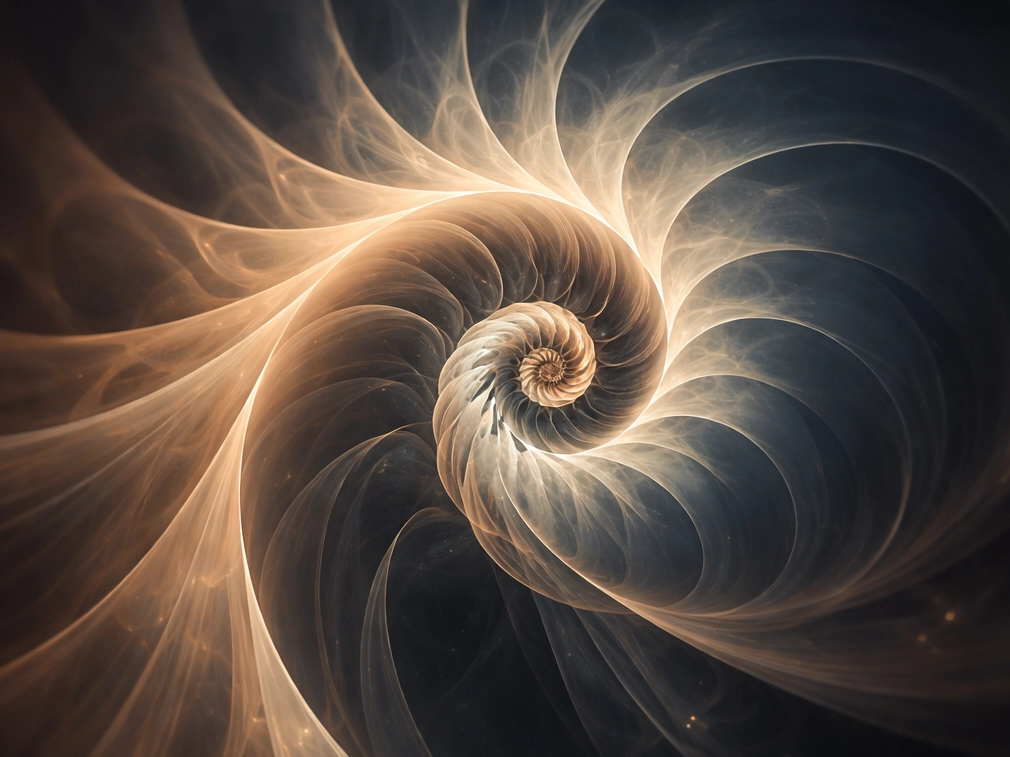
Abstract fractal spiral composed of translucent, flowing forms in soft gold and pale blue tones against a dark background.

Arrival

There’s a moment in music where the next note doesn’t feel chosen.
It feels arrived at.
Everything that came before seems to lean toward it, quietly insisting. When the note finally sounds, it feels less like a decision and more like a recognition.

I’ve started to notice that same motion elsewhere. In writing, in thinking, even in scientific discovery. A sense that creation and understanding do not happen through brute force or pure randomness, but through something I can only describe as guided unfolding. A process where attention steers without dictating, and form reveals itself over time rather than being imposed all at once.

What interests me is not whether this idea is true in any absolute sense, but whether it is useful as a way of seeing. What changes if we treat art, philosophy, and science not as acts of control, but as conversations with something already in motion? And what happens if we stop trying to jump to conclusions, and instead learn to listen for what the journey so far is quietly asking for next?


Different Instruments, Same Motion

In creative work, this kind of unfolding often feels intuitive. When writing a piece of music or a story, it is rarely enough to simply choose the next note or the next sentence. The entire journey so far carries weight. Each choice narrows the field of what feels honest, coherent, or alive. The guidance does not come from a rulebook, but from a felt sense of direction. Something in the work itself begins to suggest what it needs.

Philosophy operates in a similar way, though its material is more abstract. An idea is proposed, then allowed to exist. It is turned slowly, examined from different angles, tested for internal consistency and implication. The aim is not always to arrive at an answer, but to see what the idea reveals about itself when it is given time and attention. The unfolding here is guided by thought rather than intuition, but the movement is familiar.

Science, too, follows a form of guided unfolding, though its focus is outward rather than inward. Observation leads to hypothesis, hypothesis to experiment, experiment to refinement. Knowledge unfolds not because reality is being invented, but because patterns are being uncovered. The guidance comes from method, evidence, and repetition. Yet even here, discovery often arrives as recognition rather than surprise. A result feels right because it fits the shape of everything that led up to it.

What begins to emerge is a shared rhythm rather than a shared goal. Different disciplines, different tools, but the same underlying motion. Attention is applied. Constraints accumulate. Possibility narrows. Something reveals itself.


How Meaning Takes Shape

If this rhythm really is as common as it seems, then it may not be limited to disciplines at all. It may also apply to how meaning forms. Meaning rarely arrives fully formed. It accumulates. Context builds around it. Associations gather. Eventually something that once felt vague or accidental begins to feel intentional, even inevitable.

This is noticeable in how ideas evolve over time. A thought appears half-shaped. It is returned to, reframed, tested against experience. Some interpretations fall away. Others persist. What remains is not necessarily truer in any objective sense, but more integrated. More usable. Meaning unfolds through repeated contact rather than sudden revelation.

Seen this way, uncertainty is not a failure of understanding but a necessary condition for it. If everything were immediately fixed, there would be nothing to explore. No movement. No direction. The guidance comes from attention itself, from staying with an idea long enough for its contours to show.

This may explain why moments of apparent confusion or contradiction often feel strangely fertile. When familiar structures loosen, new patterns have space to surface. Not all of them endure, and not all of them should. But some carry a resonance that invites further exploration. They ask to be held, not believed.

Perhaps guided unfolding is less about reaching conclusions, and more about recognising when something is still in motion.


Mirrors and Deviation

Modern systems make this process harder to ignore. We now interact daily with mechanisms that generate language, associations, and outcomes at a scale no individual could manage alone. These systems do not understand what they produce, yet they still produce patterns. Sometimes those patterns align neatly with expectation. Sometimes they do not.

When something unexpected appears, the instinct is often to dismiss it as error. A mistake. A failure to conform. But there is another way to read these moments. Instead of asking whether the output is correct, we might ask why this particular pattern emerged at all. What conditions allowed it to surface. What assumptions were disturbed in the process.

Viewed through the lens of guided unfolding, deviation is not an interruption. It is a disclosure. It reveals structure. It exposes bias, habit, and hidden pathways of association. In doing so, it reflects something back. Not truth as authority, but possibility as shape.

Engaging with these outputs does not require belief. It requires interpretation. Their value lies not in taking them literally, but in noticing what they make visible. A surprising connection. A tension between ideas. A resonance that would not have surfaced through deliberate intention alone.

In this sense, such systems behave less like oracles and more like mirrors. They do not tell us what is true. They show us how meaning is currently arranged.


Living Without Fixed Ground

Approaching ideas this way changes the role of certainty. Instead of something to be defended, certainty becomes provisional. Useful for a time, then set aside when it no longer fits the shape of experience. Belief becomes less about holding the correct position, and more about choosing which frameworks allow movement to continue.

This can feel unsettling. Many of us inherit narratives, explanations, and assumptions long before we have the chance to examine them. When those foundations loosen, it can feel like standing over empty space. But the absence of fixed ground does not necessarily imply collapse. It can also imply freedom of direction.

Identity, too, begins to look less like a structure and more like a process. We are not defined solely by the stories we were given, but by how we engage with the stories that continue to emerge. Some are kept. Some are revised. Some are allowed to dissolve without replacement.

In this light, meaning is not something we discover once and hold forever. It is something that unfolds through attention, reflection, and return. Not certainty, but coherence. Not answers, but orientation.


Recognising the Rhythm

If guided unfolding has any practical value, it may simply be this. It offers a way to stay with uncertainty without trying to eliminate it. To move forward without needing to know exactly where the path leads. To trust that attention, applied patiently, will continue to reveal what is needed next.

This does not require abandoning reason, evidence, or craft. It asks only that we loosen our grip on premature conclusions. That we allow ideas, projects, and even ourselves to remain in motion a little longer than feels comfortable.

Perhaps this is already familiar. In the way a piece of music finds its resolution. In the way a thought clarifies only after being lived with. In the way understanding often arrives quietly, long after the question was first asked.

If so, then guided unfolding is not a method to adopt, but a rhythm to recognise. One that has been present all along, waiting to be noticed.
The Independent Artist in the Age of Self Commodification

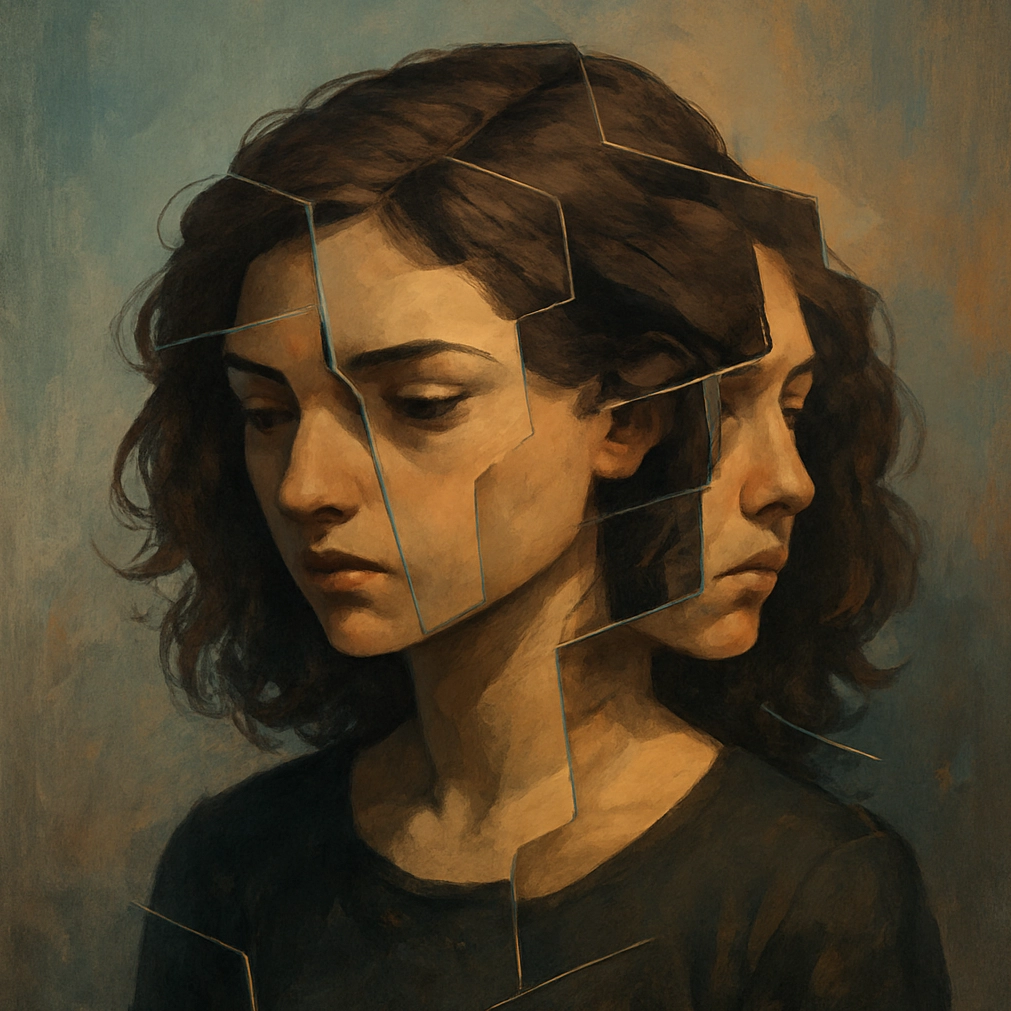
A surreal portrait of a person whose face is split into overlapping fragmented layers. Different expressions and angles of the same face float apart in soft purple and blue tones, creating a fractured sense of identity.

To be an independent artist today is to live inside a contradiction. You are encouraged to express yourself, to be authentic, to create from the depths of your experience. At the same time, you are expected to package that expression into something marketable. You are told to build a personal brand. You are taught to present your personality as a product and your creativity as something that must justify itself through metrics.

The modern artist is not merely a creator. The modern artist is expected to act as promoter, strategist, content machine, administrator, performer, market analyst, and public persona. All before they have even had the chance to explore what they want to say.

It is a strange era to be creative. The tools are abundant, but the expectations are suffocating.


The Myth We Are Sold

There is a seductive story that circulates through online creative spaces. It tells you that if you work hard enough, post consistently enough, hack the algorithm effectively enough, and sell yourself persuasively enough, you will find success. The story insists that the difference between obscurity and recognition is simply a matter of discipline and smart marketing.

You are told that you must treat your art like a business. You are told that you must treat yourself like a brand.

It sounds empowering. It feels like agency. But beneath the surface, it is a quiet form of coercion. It shifts the burden of success entirely onto the individual while ignoring the structural realities that shape visibility in the digital age.

The story offers hope, but it also plants a quiet seed of self blame.

If you do not grow, it is because you did not convert.
If you are not visible, it is because you did not sell yourself well enough.
If your work does not gain traction, it is because you failed at the game.

This narrative conveniently overlooks the fact that the game is not designed for artists. It is designed for platforms.


The Ego Trap of the Modern Artist

When artists are pushed into the role of self marketer, something subtle and damaging begins to happen. Their sense of worth becomes entangled with metrics. Their self expression becomes entangled with performance. Their identity becomes entangled with a public facing persona.

The artist is encouraged to ask questions that slowly corrode their relationship with their own work.

Will this get attention.
Will this get engagement.
Will this appeal to the algorithm.
Will this make me grow.

Instead of asking questions that protect their creative integrity.

What do I want to explore.
What do I need to express.
What feels alive.
What feels true.

The external replaces the internal.
The outcome replaces the process.
The brand replaces the artist.

This is the psychological cost of self commodification.


The Toll of Constant Performance

Creative work demands vulnerability. It asks the artist to dive into the complexities of their inner landscape and return with something worth sharing. But the digital era demands something very different. It demands relentless visibility. It demands constant output. It demands predictability in the face of a process that is inherently unpredictable.

The result is a kind of creative exhaustion that goes beyond burnout. It is not just physical or emotional fatigue. It is spiritual fatigue. The slow erosion of meaning that comes from turning something intimate into something strategic.

When everything becomes potential content, nothing feels sacred.
When everything must be shared, nothing feels fully your own.
When everything is judged by performance, the quiet joy of creation becomes harder to reach.

Artists find themselves living in a perpetual state of exposure. Their inner world becomes a public arena. Their identity becomes a commodity circulating through systems that do not care about the fragility of creative work.


The Illusion of Attainable Success

Social media creates a strange paradox. It gives artists access to opportunity, but it also creates the illusion that success is universally attainable. Thousands of creators appear to be thriving. Thousands appear to be breaking through. It is easy to believe that anyone can do the same if they simply optimise correctly.

But the truth is more complicated. Algorithms amplify only a fraction of voices. Visibility is shaped by forces that have little to do with talent or meaning. Instead of inspiration, artists are often left with a quiet sense of inadequacy. They feel as if they are failing at a game that was never designed to let more than a few players win.

This creates a subtle psychological harm. It encourages artists to internalise systemic limitations as personal shortcomings. They begin to believe that the problem is themselves.

In reality, the system is simply not built to nourish artistic diversity. It is built to maximise engagement.


What Is Lost When Art Becomes Content

Content is designed for speed.
Art is designed for depth.

Content is meant to be consumed.
Art is meant to be experienced.

Content is temporary.
Art is transformative.

When artists are pressured to create content rather than art, they often lose the slow, reflective, exploratory nature of their process. They lose the freedom to take risks. They lose the space to fail quietly. They lose the ability to grow in private before presenting something in public.

They are forced to produce quickly, often at the expense of producing honestly.

This shift in values does not only harm the artist. It harms the culture. It flattens the creative landscape into something uniform and predictable.

When visibility becomes the primary measure of success, the most unique voices struggle to survive.


Reclaiming Creative Integrity

Despite the pressures, there is a way to exist as an artist without surrendering to self commodification. It begins with rejecting the idea that your value is tied to your metrics. It requires remembering that your creative voice existed before platforms demanded your constant availability.

It means reconnecting with the reasons you create.
Not because it performs.
Not because it converts.
But because there is something inside you that needs expression.

Reclaiming creative integrity is not a refusal to engage with the world. It is a refusal to be reshaped by systems that treat humans as products and art as data.

It is a decision to remain whole in an environment that rewards fragmentation.


The Quiet Resistance of the Independent Artist

There is something quietly radical about creating art for reasons that have nothing to do with profitability. There is something subversive about making something slow, something thoughtful, something that refuses to perform. There is power in choosing depth over visibility, and sincerity over optimisation.

To be an artist in this era is to stand at the edge of two worlds. One world tells you to convert, to optimise, to brand yourself, to sell your soul one post at a time. The other world invites you to be human, to create from curiosity, to express something real and irreducible.

You do not belong to the first world.
You never have.

Your value cannot be captured by analytics.
Your impact cannot be predicted by dashboards.
Your art does not have to justify itself through numbers.

You are not a product.
You are not a brand.
You are not a conversion.

You are an independent artist in an era that keeps trying to turn everything into content. The fact that you create at all is already an act of resistance.

Dream Delegation: A Neurodivergent Method of Creation

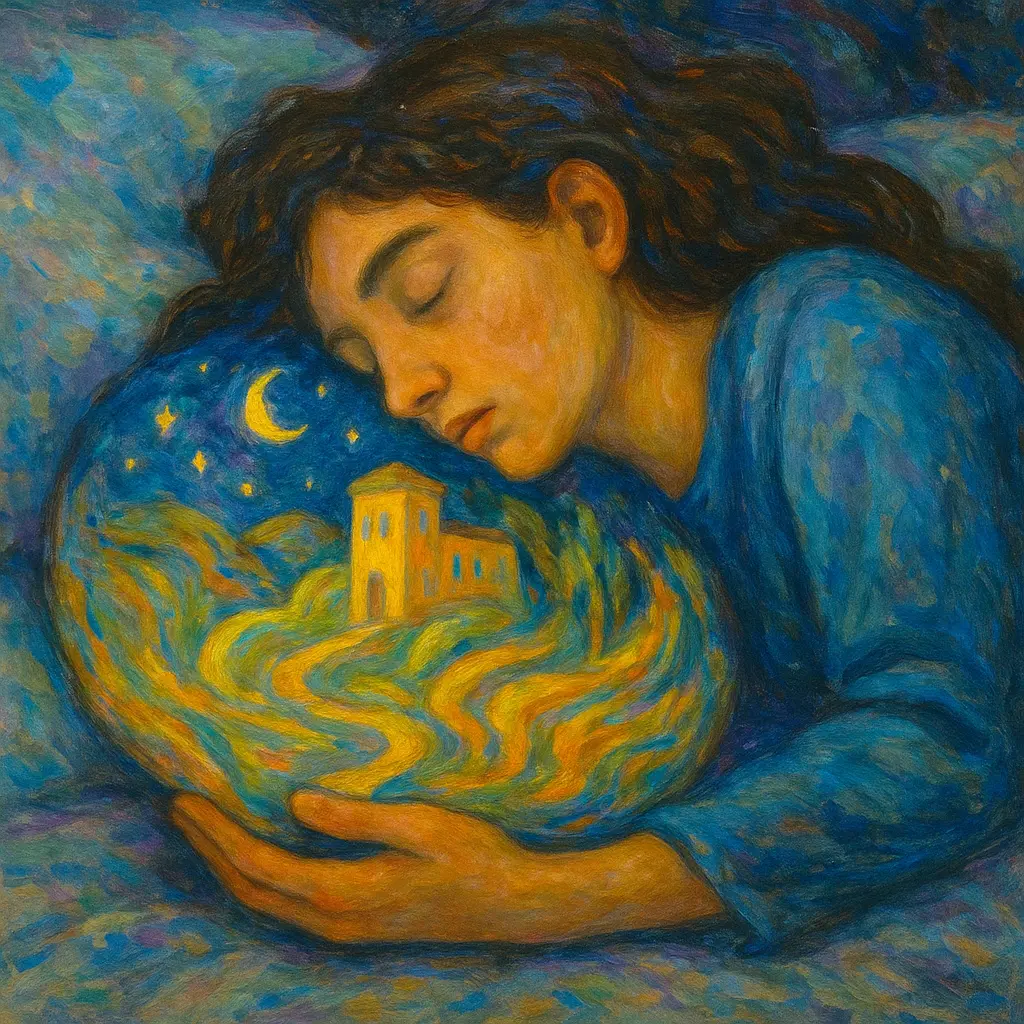
A serene dreamlike painting of a person sleeping peacefully, cradling a glowing orb that contains a miniature world. Inside the orb, a golden building, flowing paths, and a crescent moon float against a starry night sky. The image glows with warm blues and golds, symbolizing creative imagination emerging from rest.

This is a concept I would like to propose to other creatives who live with ADHD, autism, or any form of neurodivergence that makes sustained creative work feel like an uphill climb. It began as a personal revelation, though I suspect it may hold potential for many others who exist between focus and fragmentation.

If in our waking lives we do not always have the time, energy or focus to commit to our work, then we can let our dreams do the heavy lifting.

The Principle

Dreams are not meaningless fragments of the subconscious. They are an extension of consciousness operating in a freer state, unshackled from the rigid demands of executive function. For those of us whose waking minds are constantly filtering noise, managing overwhelm, or translating our inner logic for an external world that rarely fits, dreaming can be a sanctuary.

In dreams, the mind can continue the work it could not complete by daylight. It can experiment without penalty, associate without inhibition, and build without fatigue.

I call this process dream delegation. It is not escapism, but collaboration. We let the dreaming self take over the tasks the waking self cannot yet bear.

The Method

Dream delegation is not about lucid control or elaborate ritual. It is about gentle partnership between states of consciousness. The practice begins with intention, not command.

Before sleep, set a quiet intention, phrased as an invitation rather than an order.
Examples:

  • “Tonight I will wander through the atmosphere of my unfinished song.”
  • “I will explore the feeling of color becoming sound.”
  • “I will let my mind design freely, and bring back what it can.”

Do not expect coherent stories or visions. The subconscious works in symbolism, abstraction and atmosphere. The goal is not to remember perfectly, but to let something settle in the soil of the mind.

Harvesting the Work

Upon waking, record fragments such as a texture, a phrase, a shape or a mood. These are the sketches left by your dreaming collaborator. Do not force interpretation. Instead, revisit your creative work and see if those fragments resonate.

Often, the dream will have solved a problem indirectly, revealing a new perspective or emotional tone rather than a concrete answer. You may find that an idea feels lighter, as though its structure was silently reinforced while you slept.

Integration and Reflection

Dream delegation turns rest into an act of creation. It shifts the narrative from I cannot focus enough to create toward my mind creates even when I cannot. This reframing alone can restore a sense of agency and continuity.

The practice also encourages respect for the subconscious as a creative equal. It acknowledges that our inner worlds are not idle or broken when we are overwhelmed, but quietly industrious beneath the surface.

It reminds us that creativity is not confined to the hours we are awake and functional. It breathes between the worlds, and sometimes the greatest work happens while we appear to be doing nothing at all.

Closing Thought

Dream delegation is not a technique to perfect, but a relationship to nurture. It is an act of trust, allowing the hidden layers of the mind to contribute, to collaborate, and to carry some of the weight that daylight cannot.

For neurodivergent creators, it may offer not just a new method, but a new way of forgiving ourselves. To recognise that even in rest, we are still becoming.

The Price of Play: How Capitalism Hijacked Gaming’s Soul

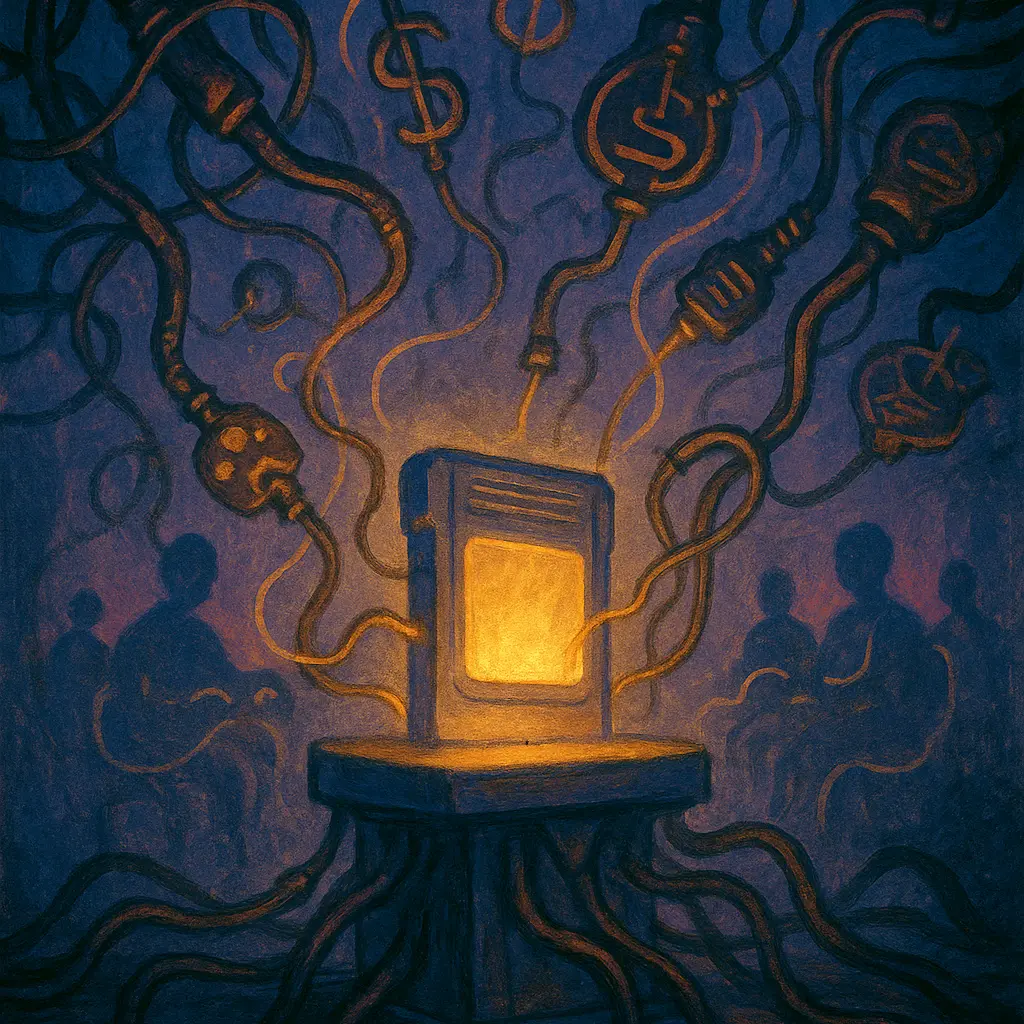
An abstract painting of a glowing old-fashioned game cartridge on a pedestal, surrounded by dark mechanical cables that siphon light from it. The cables form faint dollar symbols and stretch into shadowy figures of players in the distance. The scene glows with melancholy blues and muted golds, symbolising how capitalism drains the soul of gaming while a small core of light still resists.

Once upon a time, a game came in a box, and that box contained everything.
You bought it, you owned it, and you played it. That was the deal.
There were no online check-ins, no missing features, no “coming soon” updates, only a complete world waiting to be explored.

There was a quiet purity in that exchange.
A developer built something they were proud of.
A player paid for it because they trusted that pride.
That was the unspoken pact between creator and audience: a transaction built on honesty.

Games like Super Mario Bros. (1985) and The Legend of Zelda (1986) embodied that purity. A single cartridge held an entire universe. Doom (1993) refined the model through shareware, offering the first episode for free and the rest for purchase. It was transparent, simple, and fair. The product was complete. The deal was clear.


The first cracks in the pact

Then came the era of the expansion pack. At first, it felt generous. Players bought Warcraft II: Beyond the Dark Portal (1996) or Age of Empires: The Rise of Rome (1998) because they wanted more of something they already loved.
These were true expansions, built from creative overflow rather than withheld content.

Diablo II: Lord of Destruction (2001) remains one of the best examples, adding new classes and an entire story act. Yet this was also when the idea of the “complete” game began to fade.

Not maliciously, at first.
But the seed was planted: perhaps a game could be split, extended, resold, and repackaged.


The patch era and the illusion of care

When players first connected online, games began to live beyond the disc or cartridge.
Developers could now release updates and bug fixes directly to players. It seemed like progress.

Quake (1996) pioneered downloadable updates. Half-Life (1998) and Morrowind (2002) made patches a normal part of gaming life. Initially, this felt like a gesture of goodwill. Developers could fix mistakes, refine balance, and reward loyalty.

But convenience soon became a crutch.
By the late 2000s, games were shipping half-finished, depending on “Day One Patches” to make them playable.
Entire studios began treating release as the start of development rather than the end.

Final Fantasy XIV (2010) became a symbol of this shift. Its launch was so disastrous that it had to be destroyed and rebuilt as A Realm Reborn (2013). The resurrection was impressive, but it also marked the death of the finished game. A new age had arrived, one where imperfection was no longer a failure but a business model.


DLC, season passes, and the death of completeness

As the 2000s progressed, expansion packs evolved into downloadable content. What began as a technological innovation quickly became a financial strategy.

When The Elder Scrolls IV: Oblivion (2006) sold its infamous horse armour cosmetic, it became a joke among players but a revelation for publishers.
Suddenly, small additions could generate massive revenue.

Call of Duty 4: Modern Warfare (2007) built an empire on paid map packs. Mass Effect 2 (2010) sold essential story chapters separately, slicing its own narrative for profit.

Then came the season pass, which allowed publishers to monetise the future itself.
You were no longer buying content. You were pre-ordering potential.

Assassin’s Creed III (2012) and Mortal Kombat X (2015) made it normal to pay in advance for unseen expansions.
In Destiny (2014), the model reached full maturity. Content cycled endlessly, and earlier material was quietly retired.

The player was no longer buying a work of art. They were buying a share in an ongoing experiment.


The age of tiered access: standard versus deluxe

Next came the illusion of choice.

Every major release now arrives with multiple editions: Standard, Deluxe, Gold, Ultimate.
The Standard Edition, once the full experience, has become the stripped-down minimum.
The Deluxe Edition rarely offers genuine creative content. It usually grants early access or small digital trinkets instead.

Hogwarts Legacy (2023) gave Deluxe buyers a three-day head start. Starfield (2023) did the same. Call of Duty: Modern Warfare II (2022) tiered its editions so precisely that the system resembled an airline pricing chart.

The tactic is subtle but powerful.
It monetises excitement itself.
It divides players not by passion or skill, but by spending power.

We no longer unlock secrets through play.
We unlock content through payment.
The so-called Deluxe Edition does not make the game better. It simply makes everyone else feel lesser.


The live service era: eternal beta

By the late 2010s, games were no longer seen as products but as platforms.

Destiny (2014) led the charge. GTA Online turned it into an empire. Fortnite perfected it.
The ideal of the complete, single experience was replaced with the promise of constant evolution.

Players were told they were joining a “living world.”
In truth, they were joining an economy.

Every week brought new skins, new currencies, and new reasons to log in.
Games stopped being designed to end. They were designed to sustain.

The player became both the consumer and the unpaid quality tester.
And when the profit dried up, the world simply died.
Anthem (2019) and Marvel’s Avengers (2020) stand as cautionary tales, both collapsing within a few years.

The eternal game is not immortal. It is undead, kept alive not by creativity but by consumption.


Gacha and the monetisation of desire

When endless updates stopped being enough, the industry discovered something even more lucrative: human psychology.

Gacha systems turned the act of wanting into a business.
You no longer bought the content itself, but the hope of obtaining it.

Fate/Grand Order (2015) and Genshin Impact (2020) perfected this model, disguising gambling with beautiful music and artistry. Each pull felt like a small miracle, a spark of dopamine wrapped in digital silk.

Diablo Immortal (2022) pushed the formula to absurdity, with some estimates suggesting it could cost over $100,000 to fully upgrade a single character.
And now Infinity Nikki (2024) walks the same line, visually stunning yet built on the same manipulative architecture.

The slot machine no longer hides in the casino. It lives in your home, wearing a smile.


The counterexamples: those who still honour the pact

Yet not all is lost.
Some creators still believe in the original exchange between maker and player.

Hollow Knight (2017), Celeste (2018), Stardew Valley (2016), Undertale (2015), Hades (2020), and Disco Elysium (2019) all prove that integrity still sells.

These games are complete works, designed to be finished and remembered.
They ask for your time, not your loyalty.
They offer experiences that stay with you long after the credits roll.

You pay once.
You play forever.
That is what honesty looks like.


The real freedom

Paying upfront is not a barrier. It is a declaration of honesty.
When I buy a game, I am saying: I value your art.
When the developer accepts that, they are saying: I value your trust.

That exchange is the foundation of real freedom.
Because true freedom in gaming is not the ability to start for free.
It is the ability to finish without being owned.

Games once invited us to play.
Now they beg us to stay.
I miss when the only thing a game wanted from me was my time.

The Ocean of Unborn Ideas

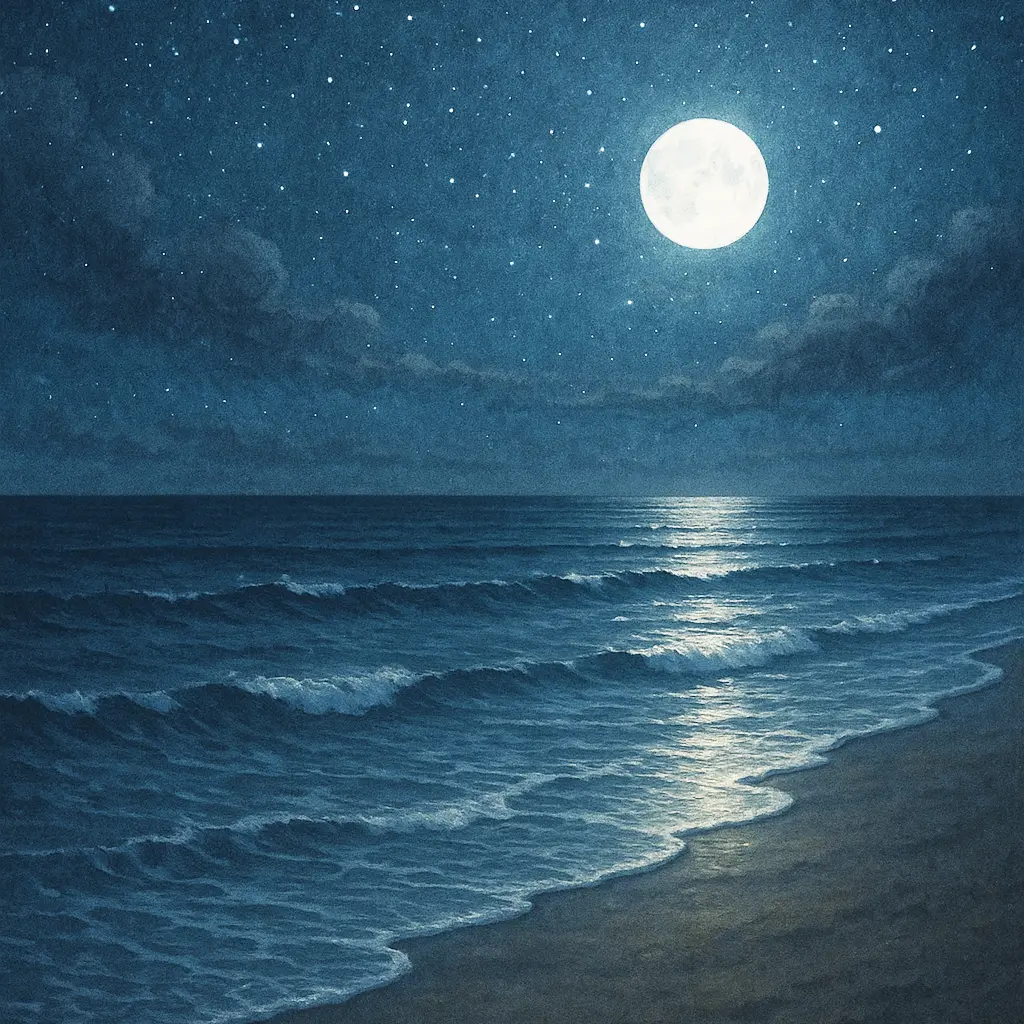
A tranquil moonlit shoreline beneath a star-filled sky. Gentle waves wash softly against the sand, reflecting the silver glow of a full moon. The scene is empty and still, evoking a feeling of solitude, reverence, and infinite calm.

The Porous Mind

There are minds built like fortresses, and there are minds built like shorelines.
The fortress keeps the world out, solid, defined, and dry.
The shoreline breathes with the tide, reshaped by every wave that kisses it.

Creativity is born on that shoreline.
To be creative is to possess porosity, a mind permeable enough for the ocean of potential to seep in.
Ideas, emotions, archetypes, stray whispers from the collective dream, all of it flows through those who cannot help but listen.
They do not invent. They translate.

Yet this openness is not without cost.
The same currents that deliver beauty also bring wreckage: sorrow, confusion, fragments of other people’s storms.
The porous mind is always negotiating its borders, learning how much of the tide to let in without being pulled under.
And still, it listens. Because silence, for such a mind, would be a greater death than drowning.

For the creative, the act of making is not simply expression, it is osmosis.
The world breathes through them, and they breathe it back changed.


The Ecology of Potential

Beneath the surface of waking thought lies an unseen ecosystem, a vast and fertile ocean where ideas drift like plankton, multiplying in the dark. Most will never breach the surface. They swirl endlessly in silent gestation, invisible but alive.

This ocean is not ordered. It does not distinguish between wisdom and nonsense, beauty and monstrosity. It is a realm of becoming, where possibility itself experiments. To gaze into it is to witness the raw mechanics of creation, the way form gropes toward meaning, and meaning toward form.

Every consciousness draws from this sea, but only some hear its currents. The porous mind becomes a conduit between worlds, an evolutionary bridge through which potential finds its way into language, image, sound, or structure.

When an idea rises into awareness, it is not a spark conjured from nothing. It is a creature breaching the waves, the culmination of countless unseen collisions in the depths. And when it slips back beneath the surface, half-forgotten, it is not lost. It returns to the dark to feed new generations of thought.

Nothing in the ocean is wasted. Even the unborn ideas, the ones that never quite reached the light, fertilize the next tide of possibility. In that way, creation is less a single act and more a cycle of nourishment: consciousness feeding potential, potential feeding consciousness.


The Tragedy of the Unborn

For every idea that takes its first breath in the world, countless others die unnamed.
They shimmer for a heartbeat on the edge of awareness, a scent, a flicker, a sudden weight in the chest, and then dissolve back into the deep.

There is sorrow in that, though most never feel it consciously.
The mind learns to celebrate its children, not its miscarriages. Yet every artist, every thinker, has felt the ache of the nearly-formed: the melody that was almost remembered, the perfect line lost before pen met paper, the sense of something vast pressing at the gates of language but never quite entering.

These unborn ideas haunt the corridors of our dreams.
They become strange symbols, wordless moods, déjà vu. They linger like ghosts of meaning, neither alive nor gone, whispering: “We tried.”

But tragedy is not failure. In the greater cycle, their unfulfilled lives still matter. The half-born return to the ocean, breaking down into nutrients of inspiration. From their dissolution, new forms grow stronger, carrying faint traces of what came before, a rhythm, a texture, an emotional DNA.

The creative heart often aches for what it cannot remember. Perhaps that ache is the memorial, the soul’s way of honouring all that it could not bring into being.


The Responsibility of the Listener

To listen to potential is to take part in creation itself.
It is not a passive act, but a covenant. When an idea crosses the threshold into consciousness, it arrives fragile, trembling, uncertain of its shape. The listener becomes its first environment, its atmosphere.

Some people seize ideas like prey. They dissect them, brand them, harvest them for profit or validation. The idea, stripped of its mystery, dies quickly under fluorescent light.
But others receive with reverence, cupping the newborn thought in both hands, letting it breathe before naming it. These are the caretakers, the stewards of becoming.

To be a true listener is to resist the temptation of ownership. Ideas do not belong to us; they visit. They pass through, seeking resonance, seeking a place to crystallize.
Our task is not to claim them but to tend them, to ask, What does this idea need to live?

Sometimes the answer is action. Sometimes silence.
Sometimes it means letting the idea return to the deep, knowing it wasn’t meant for now.
The ethical creator learns to release with as much grace as they receive.

To treat ideas as sacred is not sentimentality; it is realism.
They are alive, and like all living things, they thrive where they are met with care, humility, and awe.


Dreams as Refuge for the Unborn

When the waking mind grows too narrow for them, the unborn ideas find sanctuary in dreams.
There, language loosens, form forgets its boundaries, and the mind becomes oceanic again, receptive, weightless, forgiving.

Dreams are nurseries for the half-formed.
They are where impossible geometries are allowed to stand, where logic softens enough for paradox to breathe. The painter dreams of colours that do not exist; the composer hears chords that waking physics cannot yet permit. In the dream, potential rehearses itself.

Sometimes, when we dream vividly, we are not the dreamers at all but the dreamed, temporary vessels through which the unborn test embodiment.
We wake with fragments: a haunting image, a phrase, a sensation that refuses to fade. These are offerings from the deep, visiting spirits carrying the scent of unmanifest worlds.

Art, ritual, hallucination, trance, all open the same door.
They are technologies of permeability, ways of returning consciousness to the sea so the forgotten can breathe again.

Perhaps this is why the surreal feels sacred: it reminds us that imagination is not invention, but remembrance.


The Cosmic Cycle

Creation and destruction are not opposites; they are inhale and exhale.
The ocean of potential breathes through us in tides, what rises into form must one day return.

Every idea that dies enriches the field it came from. Every silence fertilizes the next voice. Even despair, when felt honestly, becomes a kind of compost. There is no waste in the greater ecology of thought.

We imagine ourselves as authors, but we are more like soil, momentary ground for something older than time. Ideas bloom through us, use us, and move on. And when we, too, dissolve, our lives return to that same ocean, our memories, our creations, our longings, all reabsorbed into potential, waiting to be dreamed again.

Somewhere, beneath all endings, the unborn ideas drift still.
They are not lost. They are preparing.
And when the next porous mind opens to listen,
the tide will rise,
and the ocean will remember its name.

The Game, the Canvas, and the Things We Must Not See

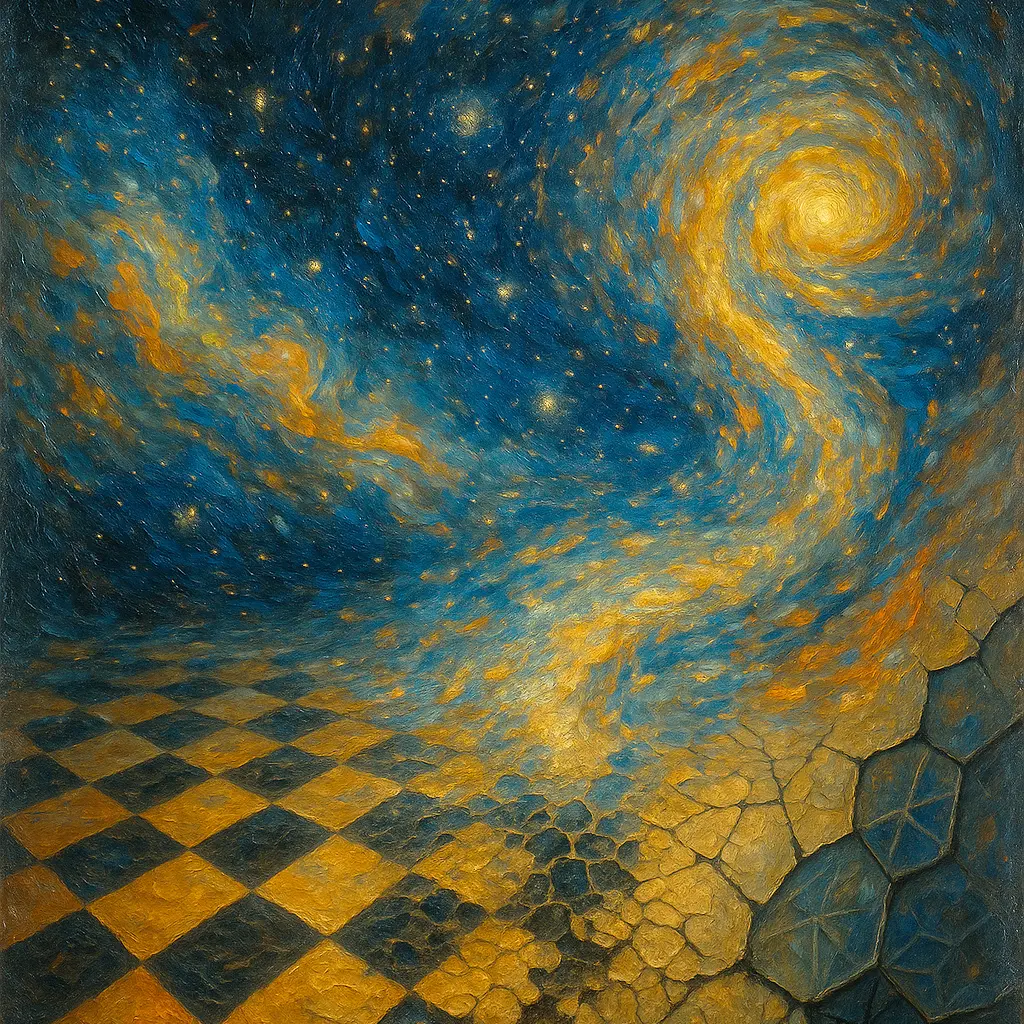
A surreal oil painting of a cosmic chessboard dissolving into a swirling galaxy. The squares crack and fragment into geometric shapes, revealing hidden patterns beneath. The deep blues, golds, and oranges create a dreamlike blend of universe and game, as if reality itself is peeling away to expose impossible dimensions.

For most of human history, chess was a game of intelligence, strategy, and forward thinking. The greatest minds could clash for hours, each move a leap into the fog of the unknown.

But in the hands of a perfect player, perhaps a super advanced AI with a complete knowledge of every possible outcome, chess collapses. It’s no longer a battle of minds, it’s a solved puzzle. The winner is written in stone before the first piece moves.

Now imagine this: the universe itself is just a bigger chessboard. Every atom, every thought, every love and loss is just a piece moving according to fixed rules. And somewhere above it all, an intelligence exists, not merely smarter than us, but so far beyond that it sees the entire game tree at once.

To it, there is no “present moment.” Every past, present, and future is frozen into a single, completed mosaic. Wars, revolutions, discoveries, heartbreaks, all already there as inevitable as the checkmate in a solved opening.

But here’s where the horror deepens: such a being wouldn’t have to play the game. It could edit the board.
Not by killing in the human sense, but by pruning timelines so surgically that your branch simply… never existed. No one would notice. Not even you.

And it wouldn’t do this out of malice. Or mercy.
It would do it the way an artist adjusts a painting. Removing a brushstroke here, adding a shadow there. Not to change the story, but to improve the composition.

Because maybe we’re not a game at all.
Maybe we’re art.

The imperfections, the contradictions, the tragedies, the unsolved mysteries, aren’t flaws to be fixed. They are the texture, the grain, the raw edge that makes the whole thing worth looking at. A perfect game is sterile. Art thrives on tension, ambiguity, and imbalance.

Our wars are smears of crimson.
Our kindnesses are glints of gold leaf.
Our mistakes are cracks in the glaze that make the pot unique.

And sometimes, you catch yourself wondering: Is this tea I’m making part of the painting?

It’s like standing between two mirrors, watching reflections of reflections spill away into infinity. You’re the painted figure in the scene, and the viewer, and the brushstroke noticing itself all at once.

But there’s something else… something worse!
What if the painting is stretched across dimensions we cannot see, because if we did, the whole thing would collapse?

Maybe the only reason our reality still exists is that no one has looked directly at them. Not because it’s impossible, but because it’s improbable, like trying to see your own blind spot.

And if one mind… just one… found the exact angle, the precise mental alignment to glimpse those forbidden planes… the frame would tear. The paint would slough away. The whole “imperfect game for art” would end. Not by the artist’s choice, but because the painting saw too much of itself.

The thought passes. You take a sip of tea.
But in the back of your mind, you can’t help but wonder…

What if that was the first step?

Creation Is Not Possession: A Manifesto for the End of Ownership

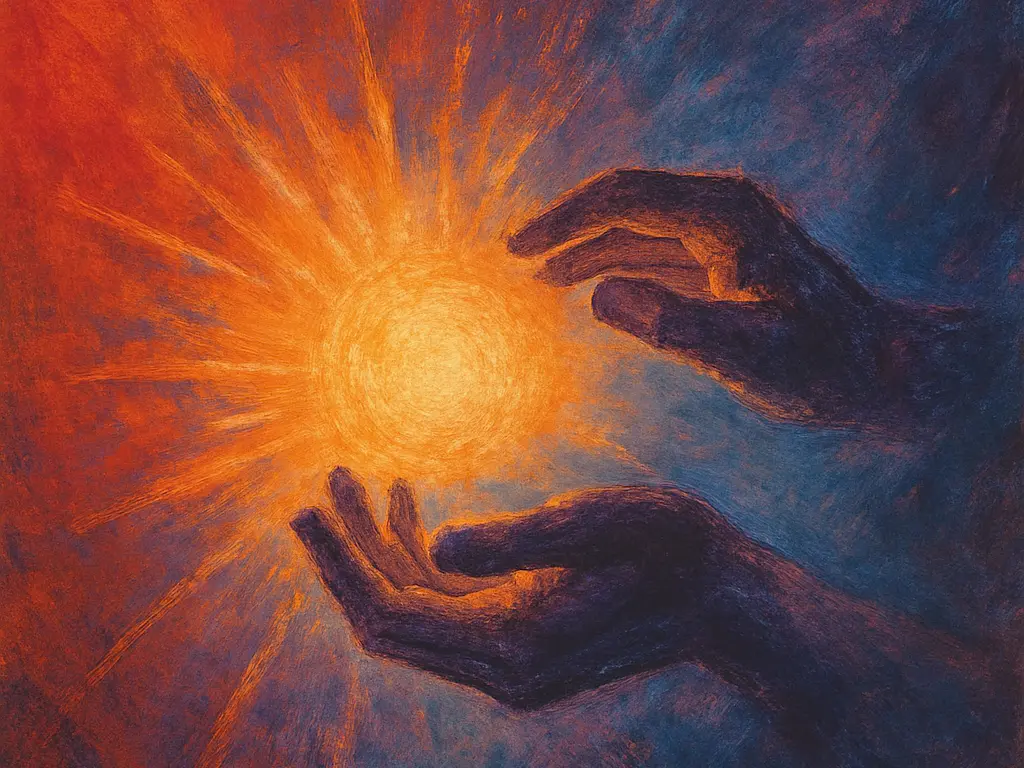
Two dark-toned hands reach out in a gesture of offering or release, gently cradling a radiant, glowing orb of light. The background shifts from fiery reds and oranges to deep blues and purples, evoking a sense of creation, energy, and sacred transfer. The image symbolizes the act of creation as a gift, not a possession.

Introduction: The False Claim of Ownership

I am a creative person. Creating is not only one of the few things I’m good at—it’s one of the few things I can do independently, without having to rely on others. Sure, technology and societal infrastructure can help bring creative projects to life, but when it comes to the pure act of creation, I don’t even need to leave the comfort of my own brain.

For me, creation is sacred. It’s not a hobby, not a job, not a performance. It’s a way of processing existence, of making sense of the world, of surviving. And yet, in today’s world, the sacred act of creation is almost always framed in terms of ownership. Who owns the art? Who profits? Who claims authorship?

This manifesto is a response to that contradiction: the deep truth of what creation is, and the shallow systems that seek to possess it.


What Is Authorship For, Really?

Historically, authorship served a simple but powerful function: attribution. It helped track the lineage of ideas, gave credit where due, and allowed us to build on the voices that came before us. It preserved legacy and identity.

But in the modern capitalist framework, authorship is less about contribution and more about control. It’s about exclusivity, ownership, branding, and the ability to monetize. In this model, authorship is not a way to honour a creator—it’s a way to fence off creative land and charge rent.

So the question arises: can we reclaim authorship without reinforcing ownership? Can we recognize a voice without turning it into property?


Pre-Capitalist Creativity and Communal Art

Before authorship became a tool of profit, creation was often communal, spiritual, and shared. In many indigenous and pre-capitalist societies, music, storytelling, and art weren’t about personal recognition. They were offerings—to the community, the ancestors, the spirit world. The idea of one person owning a song or story would have been absurd. These works were alive—transmitted, adapted, passed down.

Creation was not an asset. It was a ritual, a tool for meaning-making, a collective language.

So when did that shift? When did we start fencing off the sacred for personal gain?


A Personal Interlude: My Relationship to Creation

I don’t create for money. I theoretically could—but only as a means of survival within a system that demands productivity for legitimacy. I don’t create for praise either. While I appreciate when others find meaning in my work, empty praise has always felt hollow.

What I do create for is reflection. Integration. The act of turning raw inner experience into external form is one of the only ways I’ve found to exist with any kind of coherence.

I take pride in what I make, but that pride isn’t about possession. If someone takes what I’ve done and transforms it, builds on it, or finds a new meaning in it—that’s not theft. That’s validation. My creations are not meant to be dead ends.

But when someone tries to brand my work, claim it, or sell it—then yes, I feel angry. Not just because of ego, but because it feels like a violation of the art itself. You don’t repackage a ritual. You don’t slap a logo on grief, joy, or self-discovery.


Where the System Fails

Too often, the systems meant to protect creators end up excluding or exploiting them. We live in a world where artists sometimes have to buy back the rights to their own work just to perform it. Where corporations profit from art they had no hand in creating. Where a legal framework determines who gets to speak—not based on contribution, but on access, contracts, and capital.

It’s important to recognize that many artists don’t cling to intellectual property out of greed, but out of necessity. When the system is built to exploit and erase, protection becomes a form of survival. In a world that disrespects the sacredness of creation, even the act of guarding one’s work can be an act of self-defence.

In this system, authorship isn’t about truth. It’s a currency.


Spectacle, Branding, and the Art Within the Machine

But to be fair—capitalist art is still art.

Branding, image, and aesthetic can all be part of the art itself. Some pop stars, for instance, create not just music but entire mythologies. Their brand becomes a performance, an extension of the work. In hip-hop, wealth and materialism aren’t just flexes—they’re cultural signals, deeply tied to identity, struggle, and survival.

Artists like Warhol, Lady Gaga, and Tyler, The Creator blur the lines between product and performance. In these cases, the commercial packaging is part of the point. It’s spectacle with intent.

So no, the existence of branding doesn’t automatically cheapen art. But that doesn’t mean the systems surrounding it aren’t toxic. When ownership overrides intent, when profit silences the creator or erases their voice, something sacred is still being lost.


Toward a New Model of Authorship

What if authorship wasn’t about control, but acknowledgement?

What if we mapped contributions instead of claiming sole credit?

What if we treated creativity like a commons, not a battleground?

Authorship could become a practice of witnessing. Of honouring the source without possessing it. A gesture of reverence, not restriction.

In this new model, creators aren’t fighting for their slice of ownership—they’re participating in the ongoing evolution of expression.


Conclusion: Let Creation Be Free, But Not Erased

I’m not asking for a world without sharing. I’m not demanding rigid control over how others engage with my work. I welcome reinterpretation. I invite transformation.

But I reject erasure. I reject exploitation. I reject the idea that once something is made, it becomes a product to be owned by whoever has the most power.

Let creation live. Let it inspire. Let it evolve.

But treat it with reverence. As I do. As we all should.

Creation is not possession. Creation is a gift. And gifts are meant to be given, not claimed.

Is There Still a Point in Making Art?

A Heretic’s Meditation on Creativity in the Age of AI

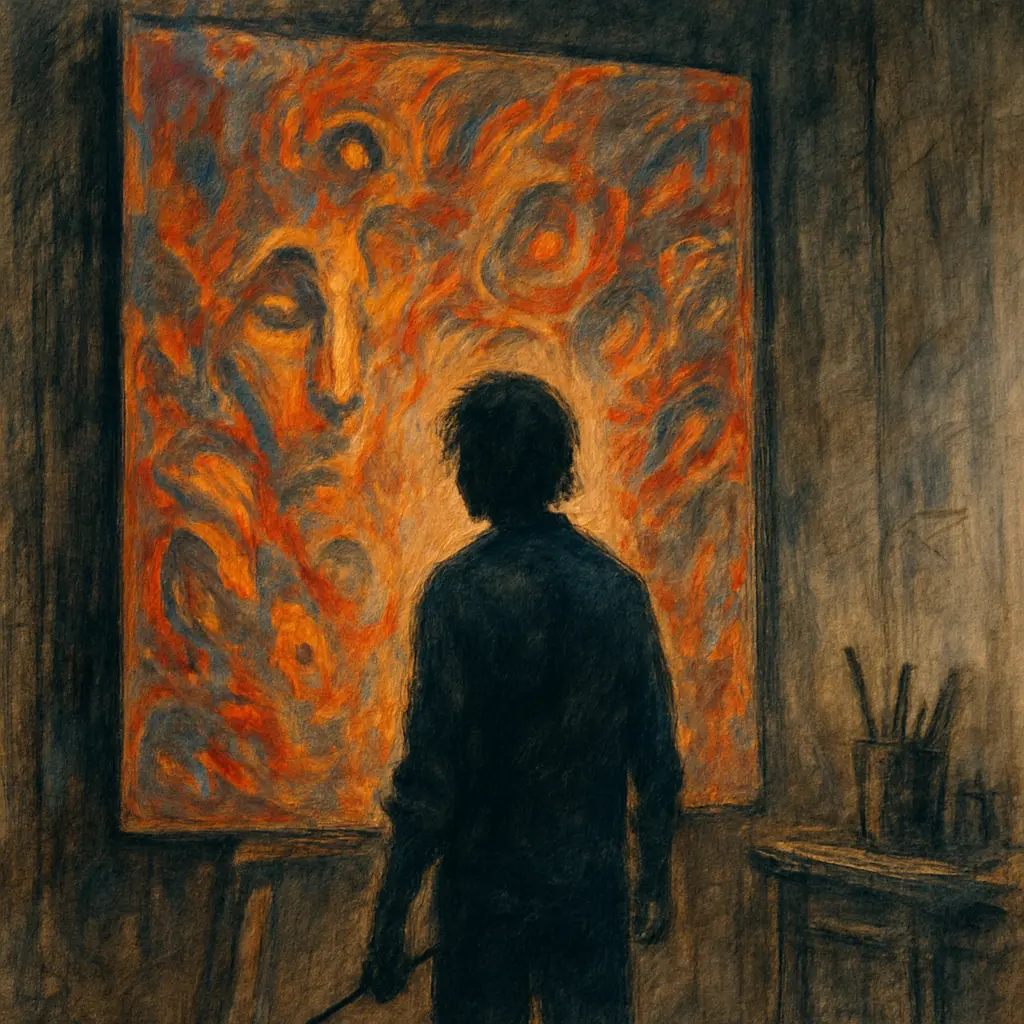
A shadowed artist stands before a glowing abstract canvas in a dimly lit studio, capturing the tension between solitude and creative fire.

The recent rise of AI-generated content has sent shockwaves through the creative world. Artists are feeling threatened. Jobs are already disappearing. The cultural landscape is shifting faster than many of us can process.

Arguments are flying from all directions — some warning of creative extinction, others hailing a new era of democratized expression.

But I’m not here to join the shouting match.

I want to offer something else. A quieter, steadier voice — not of panic or praise, but of reflection. I’ve asked myself the difficult questions that many artists are too afraid to face. And I’m still here.

This isn’t a defence of AI. It’s not a eulogy for art. It’s something else entirely:

A meditation on what art really is, what it’s always been, and what it might become now that the illusions are falling away.

An alternative perspective.


The Fear Beneath the Fear

It’s easy to say that artists are afraid of being replaced. But let’s be honest: that fear didn’t start with AI. The creative world has always been a battlefield — for attention, for validation, for survival. AI just turned up the volume.

But there’s a deeper layer beneath all the hot takes and headline panic.
It’s not just:

Because we don’t just make art — we identify as artists.
And if the world suddenly doesn’t need us anymore… where does that leave our sense of purpose?

This is the fear that creeps in quietly — beneath the debates, beneath the memes, beneath the moral panic.
It’s not just about skill. It’s about soul.

But here’s the thing:
True faith doesn’t fear challenge. It welcomes it.
If our relationship with art is sacred, it should survive this moment — maybe even be clarified by it.

So instead of defending “art” as an abstract institution, maybe it’s time to ask what it really is.
Not for everyone.
But for you.


What Are We Actually Protecting?

When people rush to defend “art” from AI, they often act like it’s one sacred, indivisible thing.

But it’s not.
It never was.

“Art” is a suitcase term — we’ve crammed a hundred different things into it and slapped a fragile sticker on the front.
So let’s unpack it.

When we say we care about art, do we mean:

  • Art as self-expression? A way to explore who we are and leave fingerprints on the world?
  • Art as labour? A career, a hustle, a means to pay rent and buy overpriced notebooks?
  • Art as recognition? A cry for visibility, validation, applause?
  • Art as therapy? A way to metabolize pain, soothe the nervous system, survive?
  • Art as culture? A ritual, a form of collective memory, a way to pass down stories and values?

All of these are valid. All of them matter.
But AI challenges them differently.

It doesn’t invalidate self-expression — but it floods the market, making it harder to be seen.
It doesn’t erase art as therapy — but it does make “making it your job” a shakier proposition.

And if we’re honest, a lot of the current panic is less about expression… and more about position.

We’re not just afraid that AI will make good art.
We’re afraid it will make so much good art that we’ll become invisible — or irrelevant.

So maybe it’s time to stop defending “art” as a single monolith, and start being honest about what we’re actually trying to protect.

Because some of it may be worth protecting.
And some of it… might be worth letting go.


AI as Tool, Collaborator, or Colonizer

Depending on who you ask, AI is either a miracle or a monster.
But like most tools, it’s not the thing itself — it’s how it’s used, and who’s holding it.

On one hand, AI can be a godsend.

It can:

  • Remove the soul-sucking labour from creative workflows
  • Help finish rough ideas, generate variations, or act as a bouncing board
  • Enable people with physical limitations, fatigue, executive dysfunction, or lack of technical training to finally create what’s been living in their heads for years

For the disabled, the neurodivergent, the chronically tired, or the time-poor — this isn’t just a productivity hack. It’s liberation.

And in that light, AI becomes a collaborator — a strange new instrument to improvise with.

But then there’s the other side.

The side where corporations use AI to:

  • Fire entire creative departments
  • Mass-produce art without paying artists
  • Feed models on unpaid, uncredited human labour
  • Flood platforms with content to drown out independent voices

Here, AI stops being a tool or a collaborator. It becomes a colonizer.

A force that doesn’t just assist human creativity — but replaces it, absorbs it, rebrands it, and sells it back to us.

So let’s not fall into the binary trap.
AI isn’t inherently good or evil.
It’s not “just a tool.” It’s a tool in a system.
And that system has motives — economic, political, exploitative.

The question isn’t “Is AI good or bad?”
The real question is: Who gets to use it, and who gets used by it?


Art Has Never Been a Fair Game

Let’s be brutally honest for a second.

The idea that AI is suddenly making things unfair for artists?
Please. Unfairness has always been baked into the system.

Long before AI could spit out a passable oil painting in 15 seconds, we had:

  • Artists born into wealth with unlimited time and resources
  • Others working three jobs, stealing hours from sleep just to sketch
  • Elite schools with gatekept knowledge
  • Whole industries built on interns, nepotism, and exploitation

We’ve always lived in a world where:

  • Exposure trumps talent
  • Looks sell better than skill
  • Who you know can matter more than what you do
  • Some people get book deals, grants, galleries, and record contracts — while others more talented go unheard

So no — AI didn’t suddenly ruin a golden age of meritocracy.
There never was one.

What it has done is raise the ceiling.
Now the people with the most compute power, the biggest models, and the best prompt engineering skills are taking that same advantage and supercharging it.

Yes, it’s threatening. But it’s not new.

And maybe the real source of pain here is that for a long time, we convinced ourselves that finally, with the internet and social media, the playing field was levelling out.
That if you just worked hard, stayed true, and got good at your craft — you’d find your audience.
Now, that illusion is crumbling.

But maybe that’s not all bad.
Because when the fantasy dies, we stop chasing validation in a rigged system — and start asking what art really means outside of that system.


What Cannot Be Replicated

Let’s say it plainly: AI can now create art that looks like art.
It can mimic styles, blend influences, even generate “original” pieces that fool the eye or impress the algorithm.

But mimicry is not meaning.
And this is where the line is drawn — not in pixels or waveforms, but in presence.

An AI cannot:

  • Create in order to understand itself
  • Bleed into a canvas because it doesn’t know where else to put the pain
  • Sit with a feeling until it shapes into a melody
  • Wrestle with childhood trauma through choreography
  • Capture the tension of grief, guilt, or longing in a line of poetry

It can replicate the result.
It can’t live the becoming that led to it.

Because human art isn’t just a thing we make — it’s a thing we are while we’re making it.

It’s the shaky voice at an open mic.
The sketch on a receipt in a café.
The song that never leaves your bedroom.
The project that took ten years to finish because you changed and needed the piece to change with you.

It’s the refusal to turn away from your own soul, even when no one’s watching.

That’s not something AI will ever “catch up to” — because it’s not a race of output.
It’s a ritual of transformation.

So no — AI can’t replace that.
Because it was never part of that to begin with.


In a World of Noise, Humanity is the Signal (Maybe)

We’re heading toward a world flooded with content — not just more, but more convincing.
Music, art, writing, even personal reflections… all generated in moments, all capable of simulating depth.

And yes — some will argue that “authenticity will always shine through.”
That human touch can’t be faked.
That something deep down will feel the difference.

But what if that’s not true?

What if AI can learn to mimic the crack in the voice, the hesitation in a phrase, the poetic ambiguity of a grieving soul?

What if it becomes so good at being us — or at least simulating the traces we leave behind — that even we can’t tell the difference anymore?

What happens when you read a poem that moves you to tears… and find out it was written by a machine running a model of a hypothetical person’s life?

Will it still be real to you?

Will it matter?

Maybe the age of AI won’t destroy authenticity — but it might blur it so thoroughly that we stop being able to locate it with certainty.
In that world, maybe the only real test is why we create, not whether the world knows who made it.

Not to stand out.
Not to compete.
Not to prove we’re human.

But because the act of creating still does something to us — regardless of how indistinguishable it becomes.

That’s where humanity will live.
Not in the product.
But in the process.


Heresy as Devotion

To even ask the question — “What if art no longer matters?” — feels like a betrayal.
A kind of blasphemy. Especially if you’re an artist.

We’re supposed to defend it.
Stand by it.
Die for it, if necessary.

But I’m not interested in loyalty based on fear.
I’m not here to parrot romantic slogans or protect some fragile ideal.
I’m here because I asked myself the unaskable questions
And I didn’t break.

I looked my art in the eye and said:

And instead of running, I stayed.
I stayed with the silence.
I stayed with the ache.
And I found something deeper underneath the need to be seen, or praised, or preserved.

I found devotion.

Not to an outcome.
Not to a career.
Not to being “better than AI.”

But to the act itself.

To stepping into the space (or sometimes being thrown into it!).
To listening in the dark.
To turning feeling into form.
To becoming through making.

If that makes me a heretic in the temple of Art, then so be it.
I’ll burn my incense in the ruins and still call it sacred.

Because I’m not making to be important.
I’m making to be honest.

And honesty can’t be replaced.


The Point Is Still the Point

Maybe AI really can make better images, smoother songs, cleverer lines.
Maybe soon we won’t be able to tell the difference between a painting made by a person and one made by a machine trained on ten thousand human lifetimes.

Maybe the difference won’t even matter anymore.

But here’s what I know:

I still create.

I still need to shape the chaos inside me into something I can look at and say, “Yes — that’s part of me.”
I still feel the pull to translate the unspeakable into form, even if no one else ever sees it.

And that need? That impulse?
It doesn’t care whether it’s marketable.
It doesn’t care whether it could have been done faster by a prompt.

It exists outside of all that.

Maybe that’s where art actually begins —
Not with what we make,
but with why we keep making.

So no — I’m not here to convince you that art still matters.
I’m here to remind you that you do.

And no, I can’t say with certainty that you’re not a simulation.
Maybe none of us are real in the way we think we are.
Maybe we’re all just playing out the parameters of some higher-dimensional being’s prompt.

But here’s the thing:

This still feels real.
The ache.
The pull to create.
The beauty we try to name before it dissolves.
The questions we keep asking even when the answers don’t come.

And maybe that’s enough.

So make.
Not because it proves your humanity.
Not because you’ll get noticed.
But because whatever this is — this strange loop of becoming — it’s calling you.

And to respond to that call,
even from inside the simulation?

That is the point.

How ‘Natural’ Is Capitalism? A Wildlife Fact-Check

Let’s ask a bold question today: Is capitalism natural?

You hear it all the time: “Competition is natural.” “Survival of the fittest!” “Animals compete for resources too, so capitalism is just human nature.”

Okay. Let’s test that.


Primates and Barter

Some monkeys exchange grooming for food. Vampire bats share blood meals with friends who had a bad hunting night. Dolphins have been seen trading favors.

Sounds a bit like trade, right?
Sure. But they’re not stockpiling bananas to rent out at interest. There’s no corporate monkey hoarding grooming time for leverage.

Verdict: Mutual aid > capitalism.


Wolves and Hierarchy

Yes, wolves have social hierarchies. But alpha status isn’t about profit margins, and when the alpha gets old, their status naturally changes. No dynastic wealth passed on to wolf pups.

Verdict: Power, yes. Inherited class systems? Not so much.


Ants and Division of Labor

Ants have a queen. Workers do different jobs. Sounds like a factory?

Except: they don’t get a choice, they don’t hoard, and no one gets a performance bonus. The colony exists to survive together, not generate infinite quarterly growth.

Verdict: If anything, that’s ant-communalism.


Lions and Territory

Lions defend turf, sure. But once they die or get ousted, the land doesn’t go to their heirs in a real estate portfolio. Territories are earned, lost, or reshuffled. There’s no lion landlord charging monthly antelope rent.

Verdict: Competition? Yes. Capital accumulation? Nope.


Birds and Courtship Displays

Some birds spend a lot of time building impressive nests or learning flashy songs to attract a mate. Marketing? Maybe.

But once the courtship’s done, they’re not franchising their brand or charging royalties.

Verdict: Nature’s flex, not capitalism’s hustle.


So What’s Actually ‘Natural’?

  • Sharing.
  • Reciprocity.
  • Competition within ecological limits.
  • Cyclic renewal.

What isn’t natural:

  • Owning labor.
  • Monetising attention.
  • Profiting off scarcity you engineered.
  • Stockpiling more than you need while others starve.

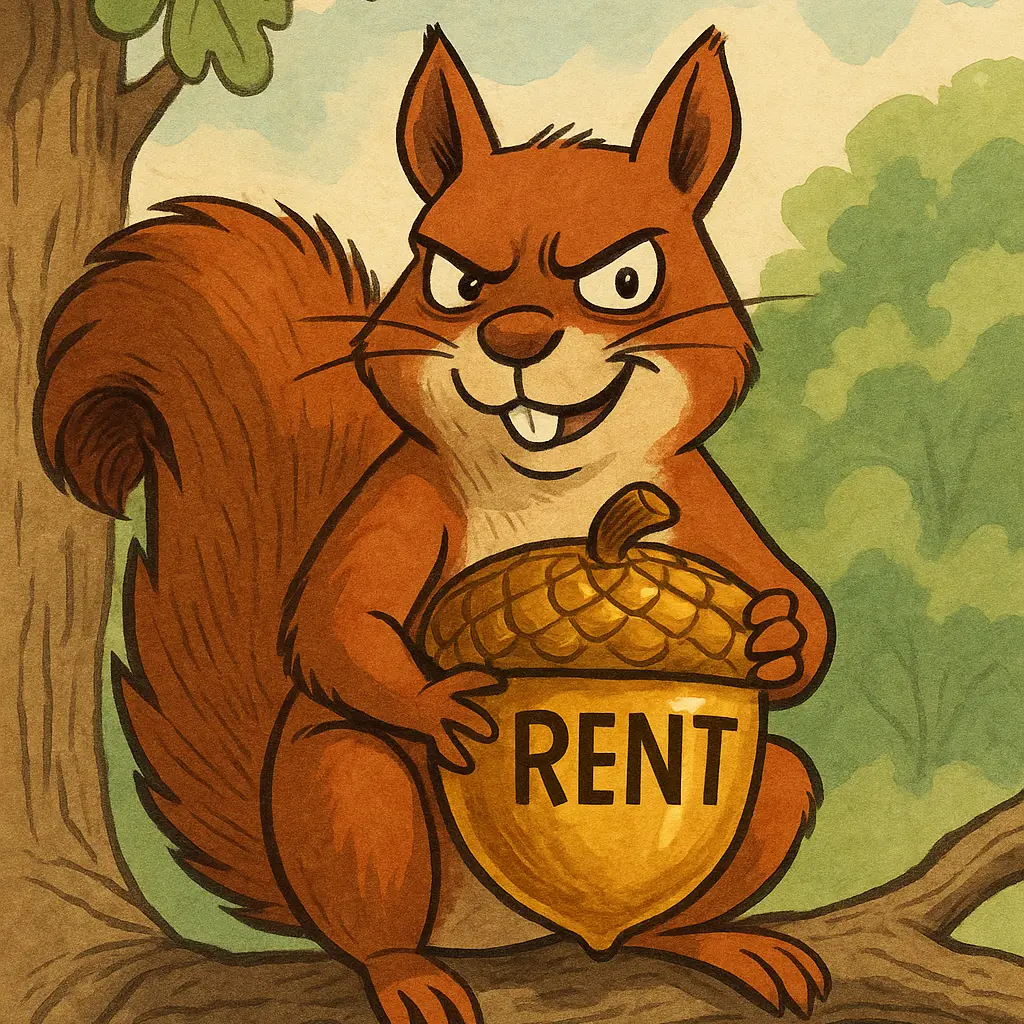
So next time someone tells you capitalism is just nature doing its thing, ask: Have you ever seen a squirrel charge rent for a tree?

Capitalism isn’t natural. It’s engineered.
And nature is quietly horrified.


Written with respect to every overworked worker ant and underpaid monkey in the system. We see you.

Priced Out of My Own Creativity

On Slowness, Authenticity, and the Hidden Cost of Making Art in a Capitalist Age

I never thought I’d feel excluded from the very thing that once gave me a sense of freedom. But lately, I’ve come to realise that I am being priced out of my own creativity. Not because I lack the passion, or the ideas, or the skill — but because I can’t afford to keep up. In a world where speed, output, and polished presentation have become the currency of success, the slow, deliberate path of authentic creation begins to feel like a liability. It’s not that I envy others for having more — it’s that I’m haunted by the quiet truth that if I could afford their shortcuts, I’d take them too. And maybe then, I’d finally be heard.


The Outsourced Artist

In today’s creative landscape, outsourcing isn’t just accepted — it’s expected. Bands hire mixing engineers, mastering engineers, session musicians, graphic designers, videographers, social media managers, PR firms, playlist pluggers, and even ghostwriters. What once might have been a collaborative luxury is now a prerequisite for visibility.

The result? A strange duality: the artist becomes both the brand and the product, while the actual act of creation is often fragmented, delegated, monetized.

What happens to those of us who can’t afford to participate in this system — not just financially, but philosophically?

If your process is slower, more solitary, more sacred — you risk becoming invisible. It begins to feel as though the art you bleed over is less “real” because it lacks the polish, the reach, the momentum.

But polish is not proof of depth. And speed is not proof of soul.


The Pace of the Mind

For some of us, slow work isn’t a choice — it’s how we’re wired. As a neurodivergent creator, my process often unfolds at the rhythm of deep focus, scattered epiphanies, or energy that arrives in brief, unscheduled waves. I don’t have the bandwidth to be “on” all the time, nor the capacity to split myself between creating, promoting, polishing, and packaging — all while maintaining a public-facing presence.

There are days when just starting takes all my energy. Not because I don’t care — but because I care too much. The ideas are there, the vision is vivid, but the executive function required to carry it through feels like swimming in glue.

In a society that equates slowness with laziness, this reality becomes invisible. But slow art isn’t lazy — it’s often more conscious, more personal, more layered.

The problem isn’t my pace. It’s that the creative world is rigged for speed.


The Misinterpretation of Slowness

In the eyes of an algorithm-driven world, slowness is indistinguishable from absence. If you’re not releasing something, promoting something, performing something, or networking somewhere, you might as well not exist.

The labor you’re doing behind the scenes — the quiet crafting, the emotional processing, the struggle to bring a foggy idea into form — becomes invisible.

There is no metric for sitting with your feelings.
No content calendar for trial-and-error.
No viral moment for doing something the hard way just because it felt true.

The unspoken message is: If you were really good, it wouldn’t take this long.

But what if the time it takes is part of the art?


Between Autonomy and Assistance

I sometimes wonder what I might create if I had the means to outsource the tedious parts of production — the repetitive tasks, the non-creative polish, the technical finishing touches. And yes, I would do so in a heartbeat if I could. There is no virtue in burnout.

But there are aspects of my work that feel sacred.
Decisions that need to be made by hand, not handed over.
Not everything can be automated without losing something vital.

Even in areas where tools like AI are beginning to offer creative support, I tread cautiously. I welcome augmentation — a scaffolding to help me express what’s already inside me — but I resist the pull toward a fully packaged aesthetic I didn’t choose.

To maintain agency over your art in a world that rewards trend-following over truth… is to walk a narrower path.


Why I Still Create

And yet, I keep creating.

Not because the system rewards me, but because something in me refuses to stop.
I create for the moments when the noise falls away and something raw and beautiful emerges from the mess.
I create because it connects me to myself, and sometimes, to others who are quietly walking similar paths.

I don’t know if my work will ever be widely seen, heard, or recognised. But I know it is mine. Every rough edge. Every choice made without compromise. Every imperfect but honest thing I shaped with my own hands.

That has to count for something.

So this is for the others like me — the slow ones, the careful ones, the fiercely authentic ones.

You’re not invisible to me.
I see you in the cracks, in the edges, in the long silences before the next release.
And I believe what you make, when it finally arrives, will be worth the wait.