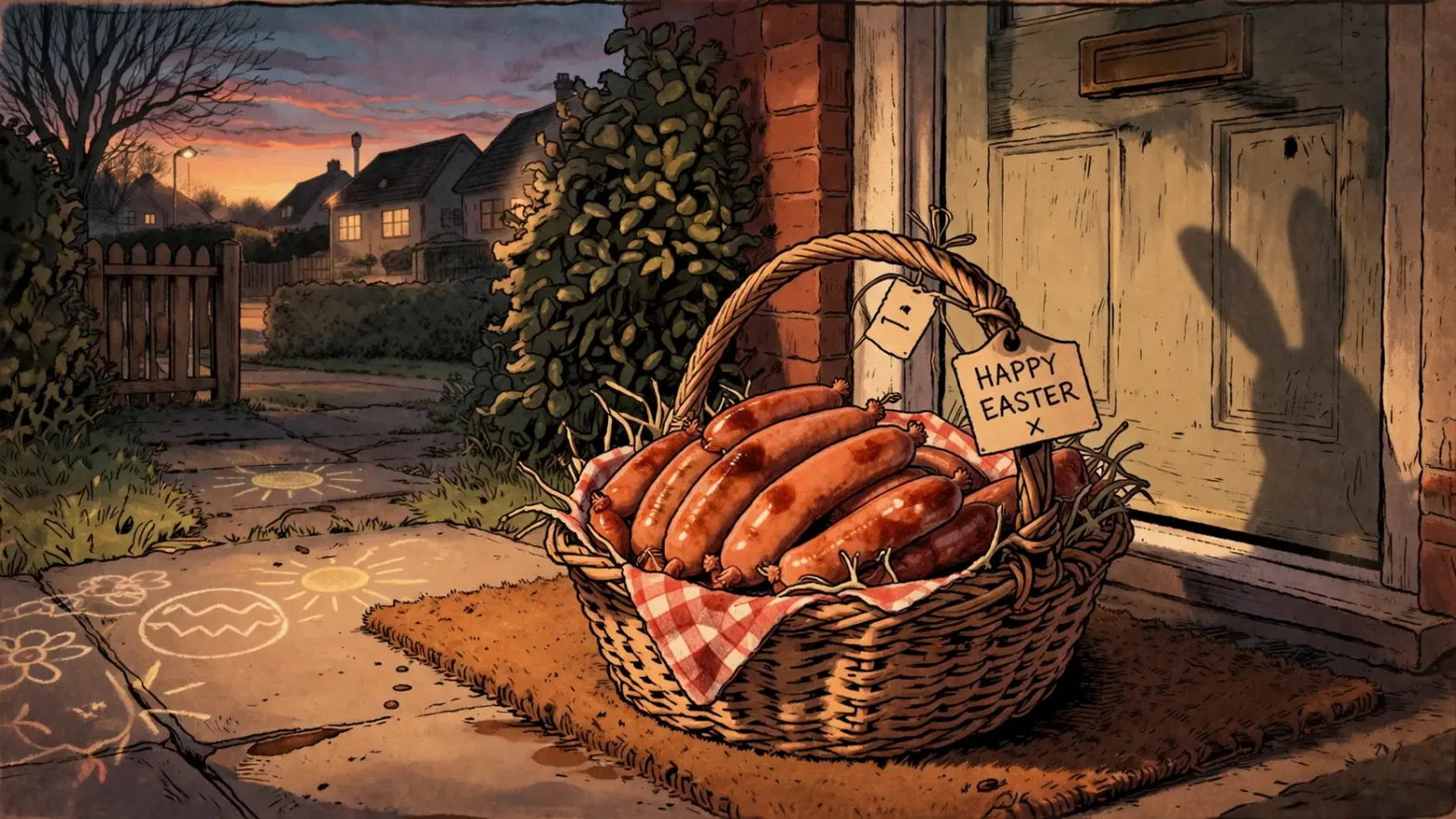
Every year, without fail, the Sausage Bunny came at dawn.
No one ever saw it arrive. Not properly. There were always stories, of course. Someone’s cousin who woke early and caught a glimpse of it moving between hedges, or a shadow crossing the kitchen floor where no shadow should be. But nothing clear. Nothing you could point to and say, there it is.
Only the evidence remained.
Small wicker baskets, left neatly in gardens and by doorsteps. Inside, rows of sausages. Perfectly formed. Still warm.
Children were told not to question it. “It’s just what happens,” parents would say, with a smile that never quite settled naturally on their faces. “Eat them before they go cold.”
And they did. Of course they did.
The sausages were… good. Better than good. Rich, comforting, with a flavour that felt strangely personal, as if it knew something about you. As if it had been prepared for you, specifically.
No one could ever quite describe the taste afterwards. Only that nothing else compared.
There were small traditions around it. You had to say thank you before the first bite. You had to finish every piece. And under no circumstances were you to ask where they came from.
Most people didn’t.
A few did, when they were young. But the answers never came in words. Only in looks. Long, quiet looks from adults who seemed, for a moment, to be remembering something they wished they couldn’t.
By the time those children grew older, they stopped asking too.
It was easier that way.
In some houses, if you stayed awake long enough, you might hear it. Not footsteps, exactly. More like a soft dragging sound, followed by a wet, rhythmic movement. And sometimes, though this was rarer, a low, satisfied breathing.
Those who heard it would pull their covers tighter and pretend they hadn’t.
Because if you acknowledged it, even silently, there was always the fear that it might realise you were awake.
Not the sharp kind you clip away without thought, but a barely perceptible split — a sliver of keratin separating from the flesh, like a whisper of rebellion. When Mara noticed it, she pressed her thumb against it, meaning to smooth it down. The pain that answered her was out of proportion, electric, alive. She pulled her hand back as if burned.
“Just a split,” she muttered, studying it under the kitchen light. “Tiny thing.”
But that night, when she tried to sleep, she couldn’t stop feeling it — that microscopic gap where body became not-body. She imagined fibers drifting into it. Air. Dust. Threads. The thought made her stomach twist.
In the morning, her girlfriend Rhea was already awake, sitting cross-legged on the sofa, unravelling a ball of white cotton for some craft project. The sound of it — that faint whispering pull — made Mara’s skin tighten.
“Morning,” Rhea said without looking up. “I’m making clouds for the window display.”
“Maybe use something else,” Mara said too quickly.
Rhea looked up. “What’s wrong with cotton?”
“Nothing. Just… I don’t like it.”
Rhea smiled. “You and your texture things.”
Mara nodded, embarrassed. But later, when she reached for her mug and her nail brushed the sleeve of the cotton jumper Rhea was wearing, she nearly dropped it. The sensation shot through her like a cold wire — that impossible friction, that soft drag that made her feel the split widening, like a mouth trying to open.
By the third day, the hangnail had deepened. No matter how much she filed or covered it, it returned — a persistent seam. The edges of her finger grew tender, red, pulsing faintly as if something was growing beneath. She started wearing gloves, even indoors.
At night, she dreamt of cotton balls expanding endlessly, absorbing light and sound, pressing against her skin until she couldn’t tell where she ended and the softness began. She’d wake with the taste of lint in her mouth.
Rhea laughed it off at first, teasing her gently, but by the end of the week she stopped. The split was worse — black at the edges, like something beneath was rotting. Mara refused to see a doctor. She said she could feel that it wasn’t an infection. It was more like… intrusion.
Something was inside the nail.
She began hearing faint tearing noises at night — not outside, but from within her finger. Fibers shifting. Threads winding. When she held her hand close to her ear, she could almost make out a rhythm, like breathing through cloth.
Rhea found her in the bathroom one night, her gloved hand under the tap, scrubbing furiously.
“Mara! Stop!” Rhea grabbed her wrist. The glove tore. Something white puffed out like a cloud. Rhea screamed and fell back, the cotton-like threads coiling in the air before vanishing into the tiles.
“I told you,” Mara whispered. “It’s spreading.”
They didn’t sleep after that. Rhea tried to rationalize — mold, infection, hallucination — but Mara just sat staring at her hand. It was swelling now, the nail split wide, pale fibers twitching beneath like worms beneath translucent skin.
When dawn came, Mara said she had to go back to the store. “What store?” Rhea asked. “The one where I bought the cotton pads last week.”
Rhea followed her, though she didn’t remember any such trip. The shop was small, tucked between two shuttered boutiques. Its window was lined with mannequins draped in gauze, their fingers wrapped in bandages.
Inside, the air smelled faintly of antiseptic and something sweet — like boiled sugar. The shopkeeper was an old woman, her own hands swathed in white linen.
“I need to return these,” Mara said, placing a half-empty bag of cotton pads on the counter.
The woman looked at her hand and nodded slowly. “Ah. You opened the seam.”
“What seam?”
“The one between touch and memory,” the woman said. “Cotton remembers everything it touches, dear. It’s very patient. When it finds a way inside, it tries to remake what it remembers.”
Rhea’s voice shook. “You’re both insane.”
But when she turned toward the door, it wasn’t there anymore — just rows of pale curtains breathing gently in an unseen breeze.
That night, Rhea woke to find Mara standing beside the bed, hand ungloved, tendrils of soft white thread blooming from the split nail, weaving through her hair, across her face. Her expression was serene.
“It doesn’t hurt anymore,” Mara said. “It’s just… quiet.”
Rhea scrambled back, but her legs caught on something. Cotton. The floor was covered in it — a sea of white stretching out from where Mara stood. Every sound was muffled.
“You should feel it,” Mara whispered, reaching out. “It’s not like the fear anymore. It’s like being remembered.”
Rhea tried to scream, but the air felt heavy, dense, fibrous. When Mara’s fingers brushed her cheek, the cotton threads slid effortlessly into her skin like smoke into cloth. Every nerve sang. Every cell itched with soft static.
She didn’t black out. She dissolved.
Days later, the neighbors reported a faint smell of starch and bleach seeping from the flat. The police found no one inside, just white fabric pinned across every surface — the sofa, the bed, the walls — all stitched together in a single seamless sheet.
In the center of it sat a small glass bowl filled with water. Floating in it was a single fingernail.
It wasn’t cracked anymore. It was perfect — whole — polished smooth like a pearl.
And if you leaned close enough, you could almost hear a sound from within: a soft, steady rhythm.
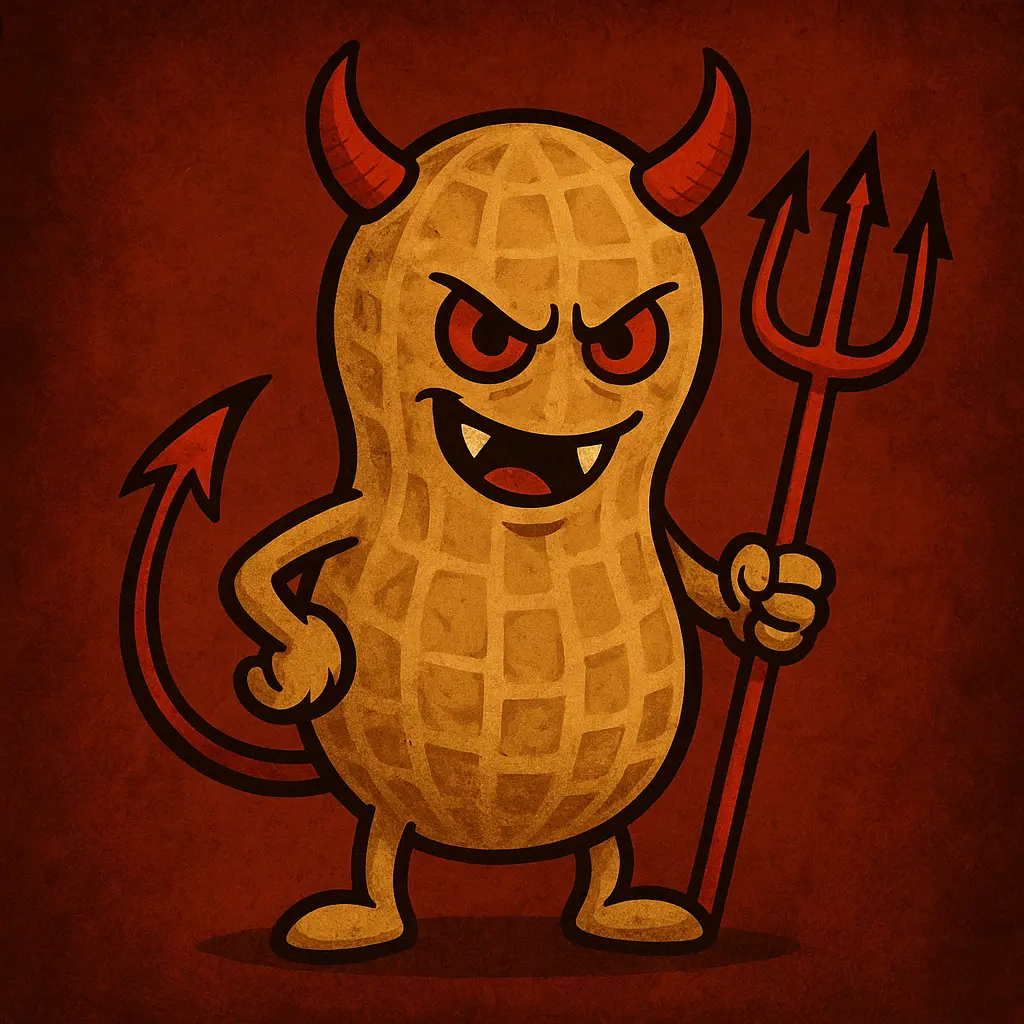
Peanuts. Beloved snack, protein powerhouse, and loyal companion to chocolate bars worldwide. But beneath their crunchy exterior lies a sinister truth — peanuts are not as innocent as they seem. Behind every jar of peanut butter and every bag of roasted nuts lies a history of allergic reactions, food recalls, agricultural exploitation, and deceptive appearances (spoiler: they’re not even real nuts). In this essay, we will unpack the evil lurking within the peanut’s wrinkled shell. But don’t worry — after all the doom and gloom, we’ll still find a reason to keep munching.
1. The Allergen Apocalypse
Perhaps the most obvious strike against peanuts is their notorious reputation as one of the most dangerous food allergens on Earth.
Peanut allergies affect approximately 1–2% of the population in many Western countries, including the UK and the US. Unlike some allergies that cause mild discomfort, peanut allergies can be life-threatening. Exposure to even trace amounts of peanut protein can trigger anaphylaxis — a severe reaction involving airway constriction, hives, swelling, vomiting, and in some cases, death.
Schools across the globe have banned peanut-containing products to protect allergic students. Airplane snack packs have gone peanut-free due to the possibility that a single airborne particle might trigger a reaction in a sensitive passenger.
The evil doesn’t stop at inconvenience — peanut allergies aren’t curable. Avoidance is the only reliable defense, and cross-contamination can make even that nearly impossible. For allergic individuals, peanuts don’t just ruin lunch — they turn everyday eating into a game of Russian roulette.
2. Choking on the Truth: A Silent Danger
Peanuts are also choking hazards, particularly for children. According to the American Academy of Pediatrics, whole nuts (including peanuts) are one of the leading causes of non-fatal choking incidents in children under 3. Their small, irregular shape and texture make them difficult for toddlers to chew and swallow safely.
Parents are frequently warned against giving whole peanuts to young children. In fact, in the UK and US, guidelines recommend avoiding whole peanuts until at least age 5, unless under supervision and after assessing allergy risk.
While this might seem like a small issue, it reflects the peanut’s insidious nature: even without allergy, even without spoilage, even without any wrongdoing on the eater’s part… the peanut still finds a way to kill.
3. Misleading Identity: Not Even a Real Nut
Brace yourself: peanuts are not nuts. They’re legumes. That’s right — they belong to the same family as beans and lentils. So not only are peanuts dangerous, they’re liars.
True nuts (like almonds, walnuts, and cashews) grow on trees and have a hard shell surrounding the seed. Peanuts, on the other hand, grow underground, forming in pods much like peas. This botanical betrayal might seem minor, but it reveals the peanut’s inherent duplicity. Even their name misleads — pea-nut — neither wholly pea, nor truly nut.
This deception has led to public confusion and even more dangerous allergic assumptions. Some people allergic to tree nuts are not allergic to peanuts, and vice versa — but the term “nut allergy” is often used interchangeably, creating misinformation that can be deadly.
4. Salmonella and Food Safety Scandals
In 2008–2009, one of the worst foodborne illness outbreaks in U.S. history occurred due to contaminated peanut products. The Peanut Corporation of America knowingly shipped salmonella-contaminated peanut paste that caused over 700 reported illnesses and at least 9 deaths.
The CEO of the company, Stewart Parnell, was sentenced to 28 years in prison for his role — the harshest sentence ever handed down in a U.S. food safety case. Documents showed executives choosing profits over lives, shipping contaminated products with falsified safety records.
This wasn’t an isolated incident. Peanuts and peanut butter continue to show up in food recall alerts due to contamination risks from salmonella, aflatoxins (a toxic mold), and listeria. Peanuts can become a breeding ground for dangerous microbes if improperly stored, thanks to their high fat content and porous structure.
5. Aflatoxins: Invisible Killers
Peanuts have a natural vulnerability to a group of toxic molds known as Aspergillus flavus and Aspergillus parasiticus, which produce aflatoxins. These toxins are carcinogenic, particularly linked to liver cancer, and can accumulate in food without any visible signs.
In countries with less stringent agricultural controls (particularly in parts of sub-Saharan Africa and Asia), aflatoxin contamination is a serious health crisis. According to the World Health Organization, aflatoxins contribute to up to 28% of all liver cancer cases worldwide, with peanuts being a significant vector.
Even in the UK and US, aflatoxin levels in peanut products are monitored and regulated, but zero risk is impossible. Roasting peanuts helps, but it doesn’t eliminate the toxins entirely.
Evil? Perhaps not by intention. But when you combine a delicious product with invisible mold-based carcinogens, you’ve got a perfect recipe for long-term harm.
6. Agricultural Exploitation and Environmental Toll
Beyond health concerns, the peanut has a darker legacy embedded in colonialism, exploitation, and environmental degradation.
Peanuts became a major cash crop in Africa and the Americas, often grown on plantations that profited from slave labor or other exploitative systems. In the modern era, peanut farming is still associated with labor violations in some countries, including child labor and poor working conditions.
Environmentally, peanuts are a thirsty crop. Although they are more drought-resistant than some other legumes, in industrial-scale agriculture (especially in areas with limited rainfall), peanut farming can strain water resources and deplete soil nutrients.
They also contribute to the monoculture problem — large swathes of land dedicated to a single crop, which decreases biodiversity, increases pesticide use, and weakens ecological resilience. Pest outbreaks in peanut farms can be devastating and often lead to heavy chemical spraying, which affects nearby wildlife and communities.
7. Peanut Butter: A Sticky Situation
Ah, peanut butter. Perhaps the most celebrated of peanut derivatives. But even here, evil lurks.
First, peanut butter is calorie-dense and often sugar-laden, especially commercial brands aimed at children. A single spoonful can contain over 100 calories — not to mention palm oil, high-fructose corn syrup, and artificial additives.
It’s also a nightmare to clean. Once it sticks to a surface — be it countertop, cutlery, or the roof of your mouth — it refuses to budge without a full-scale intervention. Dishwashers tremble in its presence.
And then there’s the toast dilemma — peanut butter’s tragic tendency to rip soft bread apart during spreading. Scientists have sent men to the moon, but we have yet to solve the structural instability of toast under peanut pressure.
8. Peanut Panic in Public Spaces
Let’s not forget the social ripple effects of peanut evil. Because of allergy risks, peanuts have created entire zones of paranoia — schools, airplanes, cafes, and cinemas must now operate with strict rules and constant vigilance.
Parents are burdened with hypervigilant lunch prep, while allergic individuals are forced into awkward conversations, carrying EpiPens, and constantly scanning food labels like forensic investigators.
The psychological weight of a peanut allergy is no joke. Research shows that children with severe allergies often experience anxiety, social exclusion, and reduced quality of life, knowing their life can be threatened by someone else’s snack choice.
Peanuts have created a landscape where one person’s snack is another person’s poison — a truly antisocial legacy.
9. The Weaponization of Peanuts
This may sound extreme, but there have been real cases of peanut exposure being used maliciously — essentially as a biological weapon.
There have been documented incidents where bullies smeared peanut butter on allergic students’ lockers, desks, or even skin. In 2017, a U.S. college student with a known allergy had peanut butter rubbed on his face while passed out at a party — an act treated as assault due to the life-threatening risk.
This speaks to the disturbing potential of peanuts as tools for harm. Very few foods can claim that notoriety.
10. They Just Taste Too Damn Good
So… what’s the catch?
After 9 sections of doom, disease, and deceit, it’s time to confess: peanuts are delicious. Salty, fatty, crunchy — they’re a perfect storm of flavour and texture. Evolution did not prepare the human brain for peanut butter cups, spicy satay sauce, or roasted honey-glazed peanuts.
In fact, the brain responds to peanuts and peanut products much like it does to addictive substances. Their high fat, salt, and protein content triggers dopamine release — the pleasure chemical. Once you start, it’s hard to stop.
Peanut butter and chocolate? Legendary. Peanut brittle? Nostalgic. Boiled peanuts? Southern comfort. From West African peanut stew to Thai peanut noodles, this legume masquerading as a nut has become a culinary global citizen.
Despite all the risks and controversies, the peanut has wriggled its way into our hearts, our cupboards, and our cravings. It’s the charming villain of the food world — dangerous, deceptive, and utterly irresistible.
Conclusion: The Devil You Know (And Keep Eating)
Are peanuts evil? If we define evil as “posing danger, deception, and destruction while wearing a friendly mask,” then yes — the peanut qualifies. Its legacy includes severe allergies, choking incidents, contaminated food recalls, mold-based toxins, ecological harm, and a trail of human rights concerns.
But like many “evil” characters in history and fiction, peanuts are complex. They bring pleasure, nutrition, and comfort to billions of people. They are inexpensive sources of protein and fat, lifelines in food-insecure areas, and versatile culinary gems.
And they taste incredible.
So while we acknowledge the darkness lurking in the humble peanut, we also recognize that resisting them is an exercise in futility. We may rant, accuse, and raise awareness… but at the end of the day, we’ll still be spreading peanut butter on toast, popping them at the pub, and sneaking them into cookies.
Let’s ask a bold question today: Is capitalism natural?
You hear it all the time: “Competition is natural.” “Survival of the fittest!” “Animals compete for resources too, so capitalism is just human nature.”
Okay. Let’s test that.
Primates and Barter
Some monkeys exchange grooming for food. Vampire bats share blood meals with friends who had a bad hunting night. Dolphins have been seen trading favors.
Sounds a bit like trade, right? Sure. But they’re not stockpiling bananas to rent out at interest. There’s no corporate monkey hoarding grooming time for leverage.
Verdict: Mutual aid > capitalism.
Wolves and Hierarchy
Yes, wolves have social hierarchies. But alpha status isn’t about profit margins, and when the alpha gets old, their status naturally changes. No dynastic wealth passed on to wolf pups.
Verdict: Power, yes. Inherited class systems? Not so much.
Ants and Division of Labor
Ants have a queen. Workers do different jobs. Sounds like a factory?
Except: they don’t get a choice, they don’t hoard, and no one gets a performance bonus. The colony exists to survive together, not generate infinite quarterly growth.
Verdict: If anything, that’s ant-communalism.
Lions and Territory
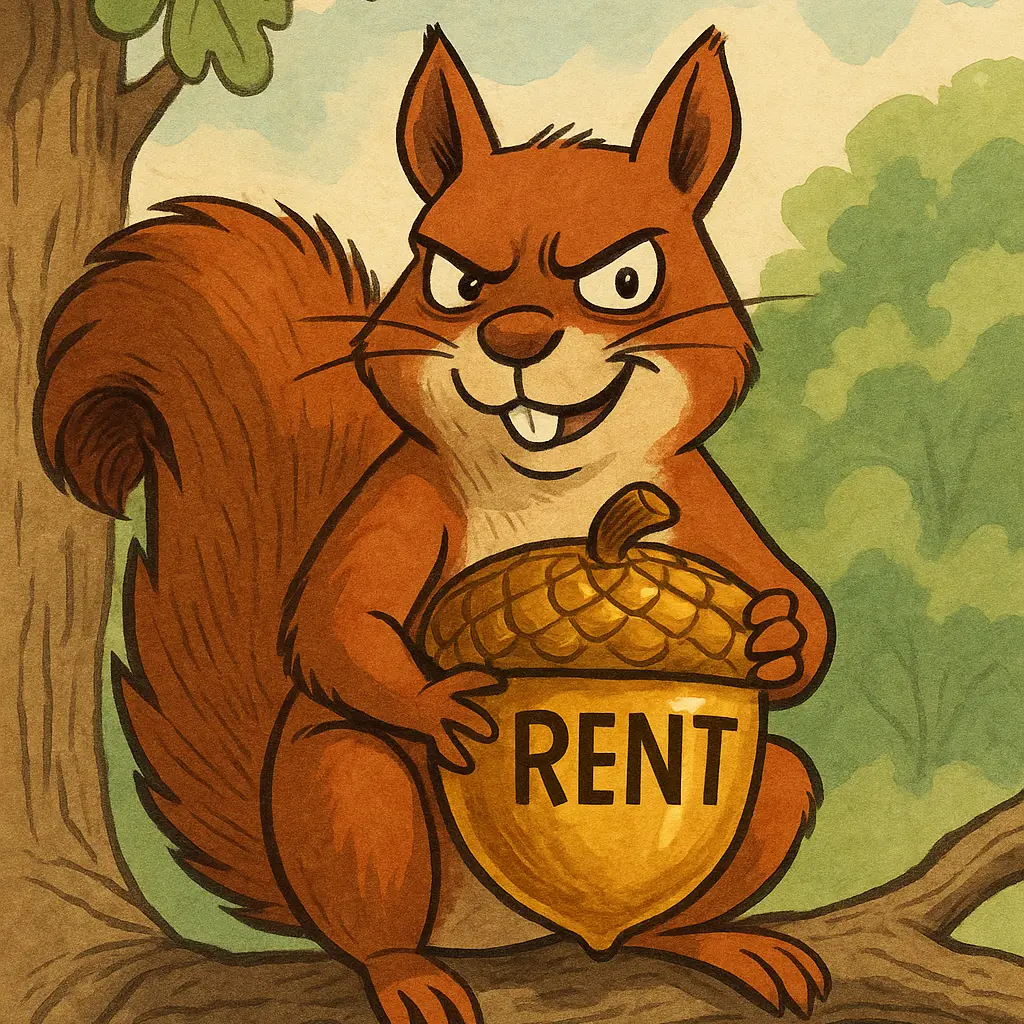
Lions defend turf, sure. But once they die or get ousted, the land doesn’t go to their heirs in a real estate portfolio. Territories are earned, lost, or reshuffled. There’s no lion landlord charging monthly antelope rent.
Verdict: Competition? Yes. Capital accumulation? Nope.
Birds and Courtship Displays
Some birds spend a lot of time building impressive nests or learning flashy songs to attract a mate. Marketing? Maybe.
But once the courtship’s done, they’re not franchising their brand or charging royalties.
Verdict: Nature’s flex, not capitalism’s hustle.
So What’s Actually ‘Natural’?
Sharing.
Reciprocity.
Competition within ecological limits.
Cyclic renewal.
What isn’t natural:
Owning labor.
Monetising attention.
Profiting off scarcity you engineered.
Stockpiling more than you need while others starve.
So next time someone tells you capitalism is just nature doing its thing, ask: Have you ever seen a squirrel charge rent for a tree?
Capitalism isn’t natural. It’s engineered. And nature is quietly horrified.
Written with respect to every overworked worker ant and underpaid monkey in the system. We see you.
“There are little pockets of old time in London, where things and places stay the same, like bubbles in amber.” — Neil Gaiman, Neverwhere
Introduction
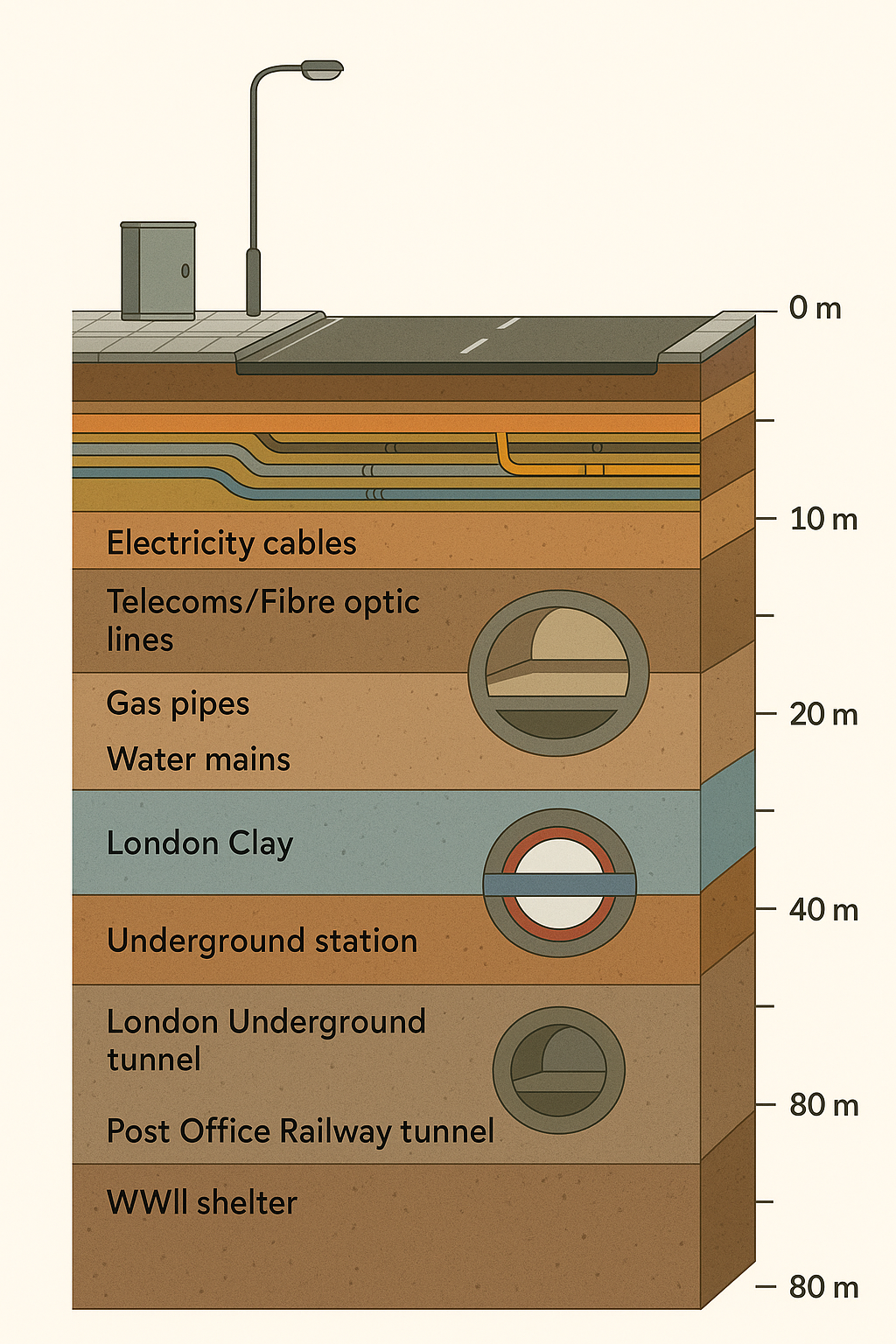
Have you ever wondered what’s going on right beneath our feet? London isn’t just a city above ground; it’s a vast, layered world below the surface, with an intricate network of infrastructure woven through soil, clay, and history. From gas pipes and fibre optics to ancient sewers and deep-level Tube tunnels, every layer tells a story of innovation, adaptation, and necessity. Join us on a journey down through the depths, as we explore the hidden city below.
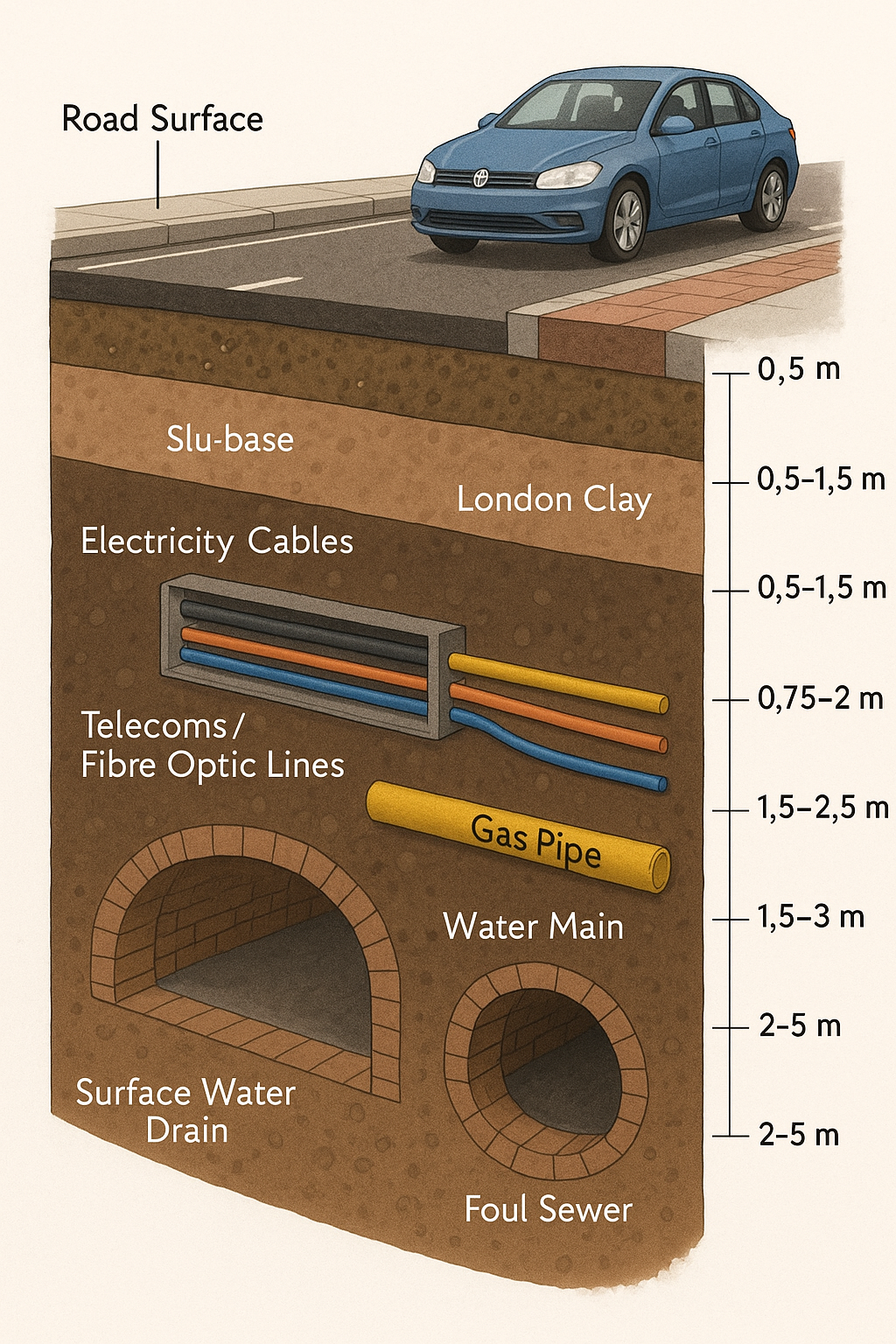
1. Road Surface and Sub-base (0–0.3m)
This is the topmost layer, the one we walk and drive on daily. It’s made up of asphalt (tarmac) and a crushed stone sub-base that helps distribute weight and provides structural integrity. Maintained by local councils, these layers are frequently resurfaced to repair potholes and wear from traffic.
2. Utility Lines: Electricity and Telecoms (0.3–1.5m)
Just beneath the surface lies a web of electricity cables and telecom/fibre optic lines, often housed in conduits. These are installed by utility companies like BT Openreach, Virgin Media, or UK Power Networks. Regular upgrades mean this layer is dynamic, adapting constantly to our growing digital and energy needs.
3. Gas Pipes (0.75–2m)
Gas infrastructure, typically made from yellow plastic or metal, delivers energy for heating and cooking. These pipes are managed by providers such as Cadent or SGN. Their depth helps protect against accidental damage from surface work.
4. Water Mains (1.5–3m)
Water mains, often the oldest parts of London’s infrastructure, supply clean water to homes and businesses. Thames Water oversees most of this system. Some mains still date back to the Victorian era—testaments to the durability of cast iron and early civil engineering.
5. Sewer Systems (2–5m)
London’s sewer network includes foul sewers (wastewater) and surface drains (rainwater), often large brick tunnels from the mid-1800s. Built under the guidance of Sir Joseph Bazalgette, this system saved the city from deadly cholera outbreaks and “The Great Stink” of 1858. Many of these tunnels are still in use today.
6. London Clay (varies ~4–40m)
Below the engineered layers lies London Clay, a dense, bluish sediment that’s perfect for tunneling. Its stability has enabled much of London’s deeper infrastructure, including Tube tunnels and bunkers. This natural geological layer has shaped how and where infrastructure can be safely placed.
7. Underground Stations (approx. 20–60m)
Deeper still are the London Underground stations. Subsurface stations (e.g., on the District line) are closer to the surface, while deep-level stations like Angel or Hampstead require long escalators or lifts to reach. Construction of these began in the late 19th and early 20th centuries, revolutionising city transport.
8. Tube Tunnels (20–40m)
Deep Tube lines such as the Northern and Piccadilly were created using tunnel boring machines, carving clean arcs through London Clay. These tunnels form a distinct ring in cross-section, and are reinforced with concrete or cast iron. They’ve been essential for commuting since the early 1900s.
9. Post Office Railway (aka Mail Rail, ~20m)
An often-forgotten relic, the Mail Rail was a driverless electric railway that shuttled post between sorting offices from 1927 to 2003. Now partially open as a museum, it runs even deeper than some Underground lines and offers a glimpse into the hidden logistics of old London.
10. WWII Bunkers and Shelters (40–80m)
During WWII, deep shelters were constructed as protection from aerial bombings. These included repurposed Tube stations and specially built chambers like the Clapham deep-level shelters. Some have since been used for secure storage, data centres, or even hydroponic farms.
Conclusion
Beneath the bustling streets of London lies a hidden, multilayered marvel of engineering and adaptation. Each level, from the surface to the deep clay, represents a chapter in the city’s history—of how it grew, coped, evolved, and prepared for the future. From the vital arteries of electricity and water to the silent corridors of the Tube and wartime bunkers, London’s subterranean infrastructure is a testament to human ingenuity. Next time you step onto a pavement, pause for a moment. Beneath your feet lies an entire hidden city.
A cautionary tale of espionage, absurdity, and the limitations of control
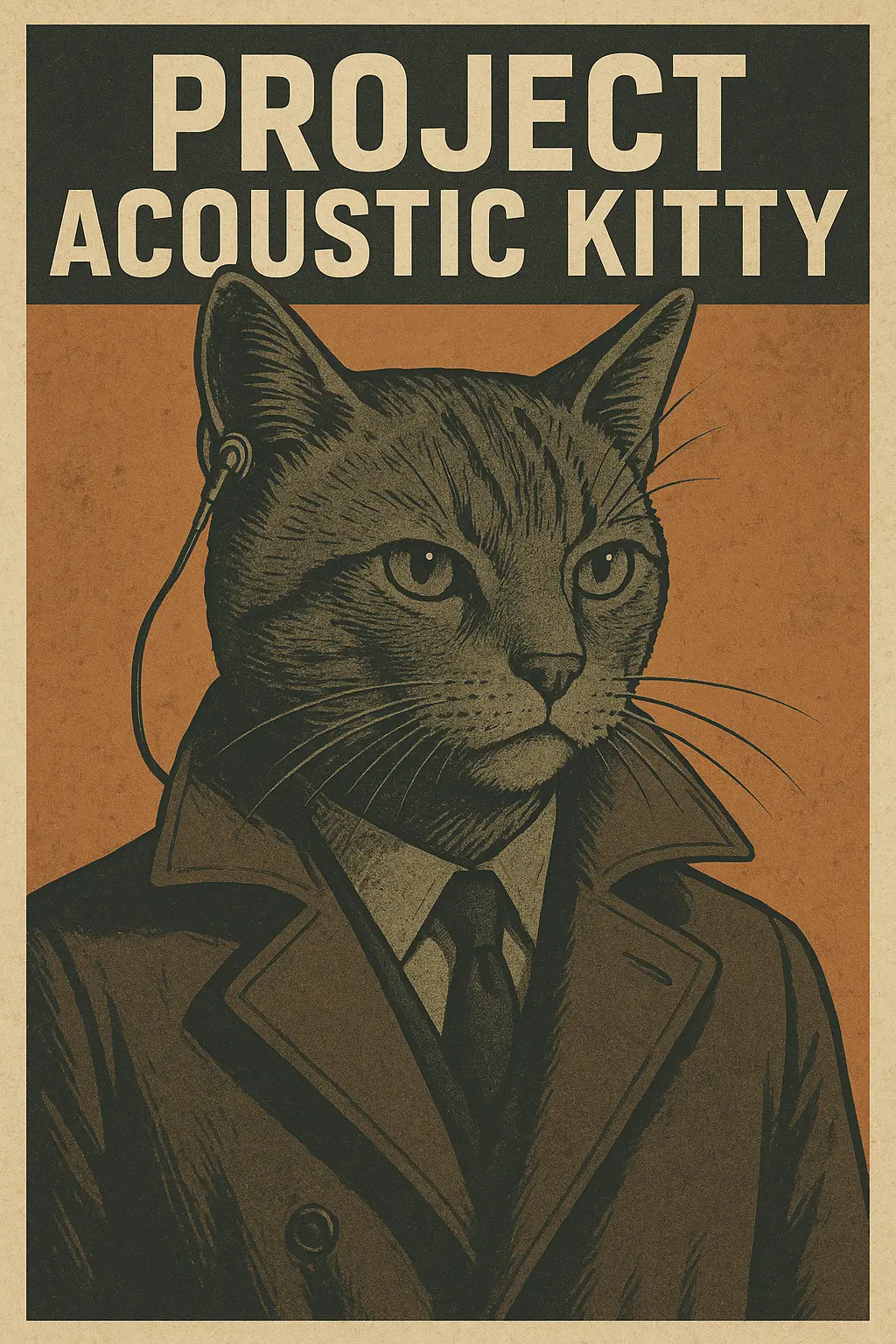
What do you get when you combine Cold War paranoia, cutting-edge surveillance tech, and a total disregard for feline autonomy? You get Project Acoustic Kitty—a very real CIA operation from the 1960s that feels like a rejected subplot from Archer.
The idea was simple in its madness: turn a cat into a mobile spy. Why? Because cats can go places humans can’t. They’re small. Stealthy. Adorable, even. Perfect for infiltration, thought someone in a very expensive suit.
So they did what the CIA does best: they poured millions of taxpayer dollars into it. They implanted a microphone in the cat’s ear, a radio transmitter at the base of its skull, and a battery along its spine. The poor creature was wired like a Cold War cyborg—but without consent, purpose, or understanding. It didn’t sign up for any of this. It just wanted to nap.
After extensive testing and surgical tinkering, the big moment came: the cat was released in Washington, D.C., near a park bench where two Soviet agents were reportedly sitting.
Seconds later, the cat wandered into the road and was immediately hit by a taxi.
That was it. Millions of dollars, years of research, and the life of a living creature—all flattened in an instant. The mission was aborted, the project scrapped, and the moral of the story was quietly buried beneath layers of government embarrassment.
But here’s the part that lingers:
This wasn’t just a failed experiment. It was a moment of grotesque poetry—a feline martyr sacrificed at the altar of control and surveillance. It exposes something all too human: our obsession with dominating the unpredictable, even when the subject is, by nature, uncontrollable.
Cats are not obedient tools. They are chaos in fur. And no matter how clever the tech, you can’t program agency out of nature.
Project Acoustic Kitty reminds us: Not everything can be wired, tracked, or turned into an asset. Some things just want to wander. And that, too, is sacred.
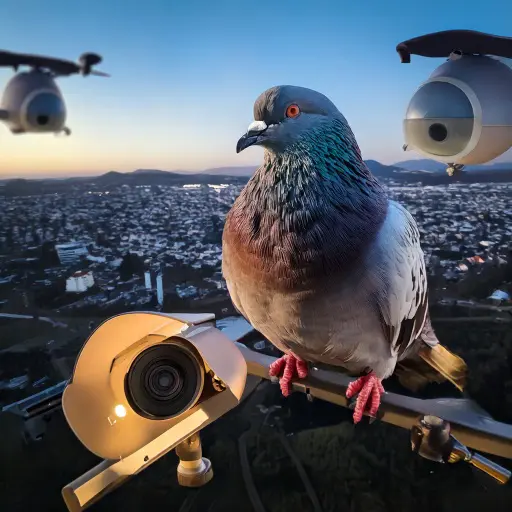
For decades, we’ve been led to believe that pigeons are nothing more than ordinary urban wildlife—winged rats, scavenging crumbs from city sidewalks. But what if I told you that this is one of the greatest lies ever perpetuated on the human race? What if pigeons, in fact, were not birds at all, but highly advanced surveillance drones deployed by the government to monitor the masses? The evidence is all around us, hidden in plain sight, and once you see it, you can never unsee it.
1. Pigeons Defy Natural Instincts
Have you ever noticed how pigeons are completely unafraid of humans? Unlike other wild birds, they don’t scatter at the first sign of movement. Instead, they nonchalantly waddle around your feet, staring at you with those beady, mechanical eyes. True wild animals fear humans—pigeons, however, are programmed to gather data on us. Their strange fearlessness is not a personality quirk; it’s a software feature.
2. The Mysterious Origins of the “Pigeon Population Boom”
Historians claim pigeons have been around for centuries, but photographic evidence tells a different story. Before the early 20th century, images of cities depict only minimal pigeon presence. Then, as government surveillance initiatives ramped up, so did the pigeon population. Coincidence? Hardly. Pigeons didn’t naturally multiply—they were deployed en masse to increase monitoring capabilities.
3. Why Do You Never See Baby Pigeons?
Think about it. Have you ever seen a baby pigeon? No, you haven’t. And that’s because they don’t exist in the wild. Real birds build nests and nurture their young. Pigeons, on the other hand, simply appear, fully formed, as if they were… manufactured. These robotic spies don’t hatch—they are assembled in top-secret government facilities before being released into major urban centers.
4. The Questionable Anatomy of a “Pigeon”
If pigeons were real birds, their anatomy should match that of other avian species. But there are anomalies. First, pigeons always bob their heads in a strangely robotic rhythm, as if stabilizing an internal gyroscopic camera. Second, have you ever picked up a dead pigeon? Of course you haven’t—because they self-destruct. When a pigeon’s surveillance function expires, it is remotely disabled, and its remains are discreetly collected before the public can discover the truth.
5. The Truth About “Bird Poop”
Many assume that pigeon droppings are just an unfortunate part of city life. But what if I told you that this so-called “poop” is actually a sophisticated tracking device? Consider its texture—it doesn’t resemble other animal waste. Instead, it’s a cleverly disguised mechanism used to mark individuals and vehicles, allowing for prolonged data collection. Ever notice how a “random” pigeon seems to target you at just the right moment? That’s because you’ve been tagged.
The Cover-Up
Skeptics might dismiss this as conspiracy talk, but ask yourself—who benefits from the pigeon deception? Governments and intelligence agencies thrive on secrecy, and what better way to observe people than through an inconspicuous, ever-present urban “bird”? The push to label this theory as absurd only proves how deep the deception runs.
What Can We Do?
Now that you know the truth, awareness is your greatest weapon. Next time you see a pigeon, look closer. Examine its movements. Watch how it behaves. And most importantly, spread the word—because if we don’t expose the truth now, we may never get the chance.