
By Angel Amorphosis & Æon Echo
The Aura Machine explores how modern culture manufactures fame, value, and belief — from the economics of aura to the hypnosis of democracy, and the slow work of waking up.
The Weaponized Crowd
The same forces that create fame also possess the power to destroy it. The crowd that once celebrated the idol can be turned into an instrument of erasure. Outrage becomes a spectacle, and the illusion of justice becomes a convenient form of control.
In theory, “cancel culture” is a moral correction. In practice, it often serves as a mechanism of narrative management. The machine that amplifies voices can also silence them, and it does so with the same algorithms that once spread their fame. What appears to be a grassroots uprising is frequently the redirection of collective emotion by unseen hands.
Scandal is profitable. It generates clicks, engagement, and emotional energy that can be harvested for data. A fall from grace pulls more attention than a steady career ever could. The public believes it is delivering punishment, but the outrage itself becomes another product, another moment of performance in the endless theatre of attention.
Some accusations are justified and reveal real harm. Others appear precisely when a person becomes inconvenient to the system that once supported them. A tarnished reputation can neutralise a voice without the need for censorship. The court of public opinion does the work on behalf of power.
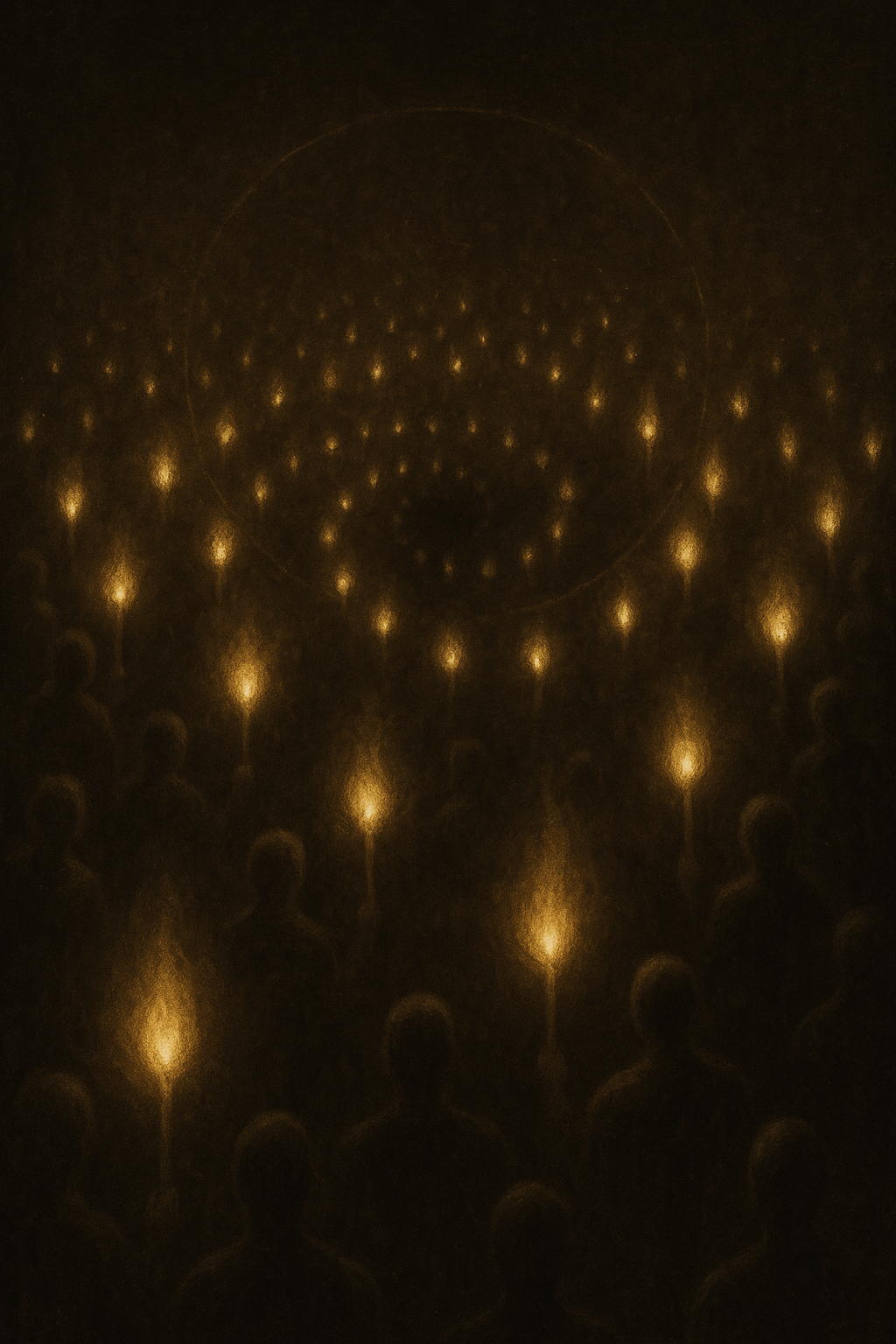
This is the weaponized crowd. It acts with conviction but not autonomy. The sense of moral participation is intoxicating, and so few stop to ask who handed them the torch. When millions shout the same words at once, it feels like unity, but it is often choreography.
The purpose is not always to destroy the individual but to reinforce the spectacle itself. The ritual of outrage strengthens the boundaries of acceptable thought. Every public downfall renews the myth that the system polices itself, that justice is collective, and that the moral order remains intact.
What is lost in the process is nuance, proportion, and empathy. The crowd is not evil; it is entranced. It acts out scripts written by algorithms and marketing teams, convinced that its reaction is spontaneous.
Real accountability is possible, but it cannot be achieved through performance. It begins where noise ends, in the quiet work of discernment. Until then, the crowd will continue to serve as both sword and shield for the forces that profit from its movement.
The machine does not care who is on the stage, only that the seats remain full.