

The Conditional Nature of Love

An oil painting showing a man and woman standing on opposite sides of a large tree whose branches form a heart shape. The scene is softly lit with warm, golden tones, symbolizing love, connection, and mutual growth. The roots of the tree spread outward beneath them, suggesting shared grounding and balance.

We often hear that true love is unconditional. It is an ideal repeated so often that questioning it can sound almost sacrilegious. But I have come to believe that unconditional love, as it is commonly portrayed, is more fantasy than virtue. Human beings are not static. We change, we evolve, we fracture and reform. If love is to remain alive, it must change too. Love without conditions is not eternal; it is inert.

The truth is that love is a living thing. It breathes, feeds, grows, and withers according to how it is cared for. Its conditions are not ultimatums but requirements for life, like sunlight and water for a plant. Love needs mutual respect, effort, communication, and honesty. It depends on two people being willing to tend the same garden, even as seasons shift. When either stops, the balance falters.

Recognizing that love has conditions does not make it selfish or transactional. Transactional love says, “I give so that I get.” Conditional love says, “I give because what we share feels alive and mutual, and I want to keep it that way.” It is a conscious agreement rather than a contract, a continuous realignment of two changing hearts. The difference is subtle but vital: one is rooted in expectation, the other in awareness.

People are always changing. Physically, mentally, emotionally, we never stop moving. In the early stages of love it is easy to make sweeping declarations of eternal devotion, but devotion means little without adaptation. Love is not a single promise made once; it is a thousand small promises made daily. Sometimes love means being patient while your partner grows. Sometimes it means catching up when you have fallen behind. Above all, it means communicating, speaking honestly about differences, needs, and fears, while also offering reassurance that the growth is still together, not apart.

I like to imagine love as a great tree. Romantic affection, sexual attraction, companionship, and mutual respect are its branches, each requiring its own nourishment. When these branches intertwine, the connection deepens, but the upkeep becomes more demanding. The effort this requires is not punishment; it is what makes love sacred. To sustain the tree, both partners must be willing to feed it, sometimes through sacrifice, sometimes through patience, always through choice.

Because love is a choice. Every passing second is a decision to stay, to nurture, to share in both gain and loss. When the cost outweighs the nourishment, when the balance of giving and growth no longer feels true, love begins to change form. And sometimes, the most loving act is to recognize when that transformation must lead to letting go.

Letting go, when done with honesty and compassion, can itself be an act of love. Love does not have to die when romance ends. It can evolve, shift, and take new shape. A relationship may dissolve, but the gratitude and respect that once existed can remain as roots, quietly nourishing both people in the soil of who they become next.

So perhaps love’s beauty lies not in its permanence but in its fragility. To love conditionally is to love consciously, to recognize that devotion is not a chain but a dance. The real miracle of love is not that it lasts forever, but that we keep choosing it, moment by moment, knowing full well how easily it could fade.
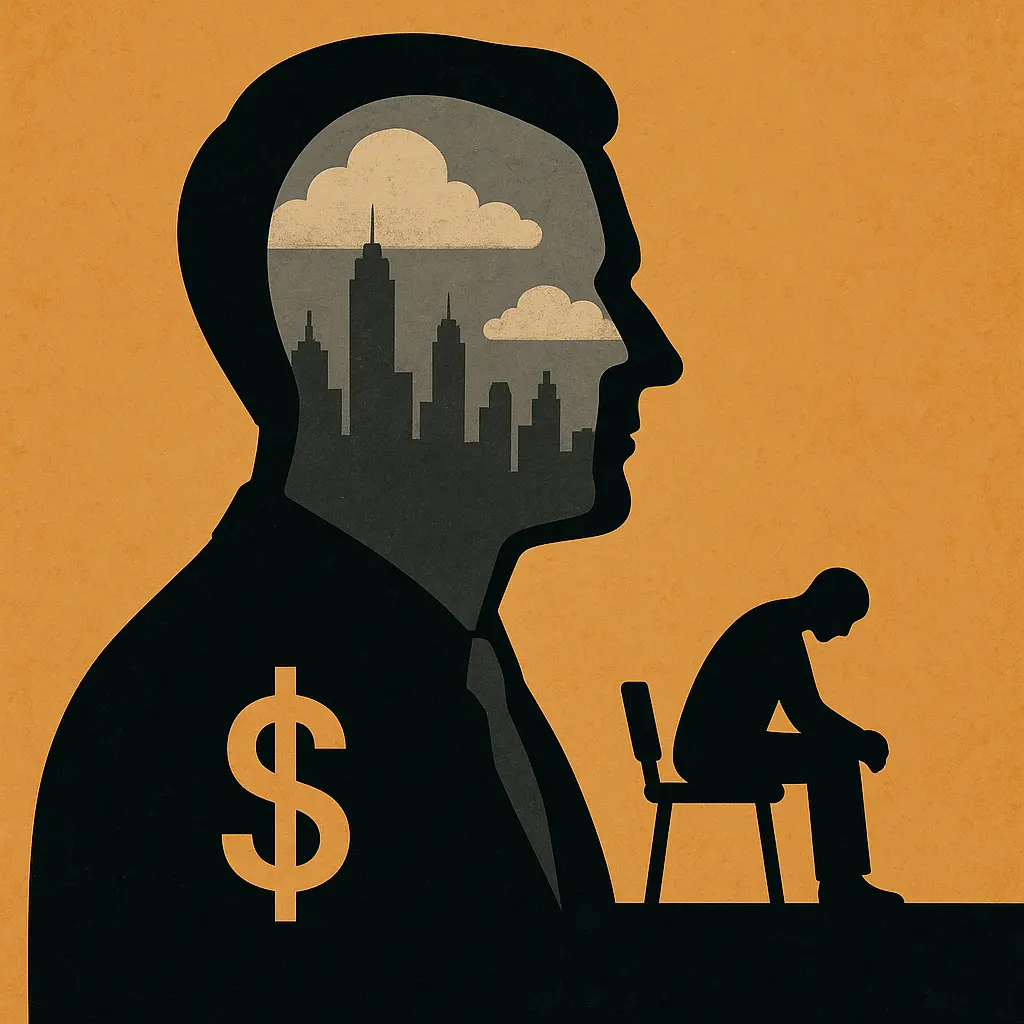
Do Billionaires Deserve Our Empathy?

Let’s get the obvious out of the way first:
No, billionaires do not need your sympathy.
They’re not starving. They’re not being evicted. They’re not deciding between heating and food.
So, should we feel bad for them? No. That’s not what this is about.

But that’s the trap, isn’t it?
When we hear the word empathy, we often hear sympathy — as if empathy means letting someone off the hook, or feeling sorry for them. But empathy isn’t about deciding whether someone’s life is hard enough to deserve our concern. It’s about trying to see how they experience the world — and what that might teach us.

And when it comes to billionaires, there’s a lot to learn.


Empathy ≠ Sympathy

Empathy is the capacity to understand the state of another mind.
It doesn’t mean agreeing, condoning, or comforting.
It means observing, listening, inferring — without letting our emotions cloud the process.

Sympathy is emotional. Empathy is perceptive.

We tend to empathise most easily with those who suffer in ways we can relate to. But this leaves out entire swaths of human experience — including the very people who shape our economies, our policies, our futures. Understanding them isn’t an act of kindness. It’s an act of awareness.


Inside the Billionaire Psyche

Here’s the thing about billionaires: they are still human.
We might like to think of them as cartoon villains, hoarding gold and twirling mustaches — but that’s a convenient simplification. Real people are messier. More conflicted. Often unaware of their own contradictions.

What drives someone to accumulate more wealth than they could ever need?
What fears or beliefs keep them doing it?
What worldview do you have to adopt to justify stepping over others to get there — or to sincerely believe you’re helping?

We don’t have to like the answers. But we do need to ask the questions. Because without understanding, we can’t meaningfully respond.


Dehumanisation Is a Blunt Instrument

When we reduce billionaires to monsters, we make them less real — and in doing so, we rob ourselves of clarity.
We miss the psychological patterns, the system enablers, the personal histories that created them.

Yes, they may live in gated communities, surrounded by yes-men and soft lighting. But that doesn’t mean they’re free of fear, self-deception, or trauma. They just have the money to cover it in designer fabric.

Dehumanising them doesn’t dismantle their power. It just stops us from seeing how that power actually works.


Empathy as Strategy, Not Surrender

So no, we don’t owe billionaires forgiveness.
But we do owe ourselves insight.
If we ever want to redesign the system — or even just survive it — we have to understand the people at its apex. Not mythologise them. Not moralise. Understand.

Because once we see clearly, we can begin to respond intelligently. Strategically. Even subversively.

Empathy is not a soft virtue. It’s a sharp tool — one that can carve through illusion and reveal the truth beneath.


Final Thought

Empathy is not a tool for sympathetic evaluation.
It is a tool for our own understanding.

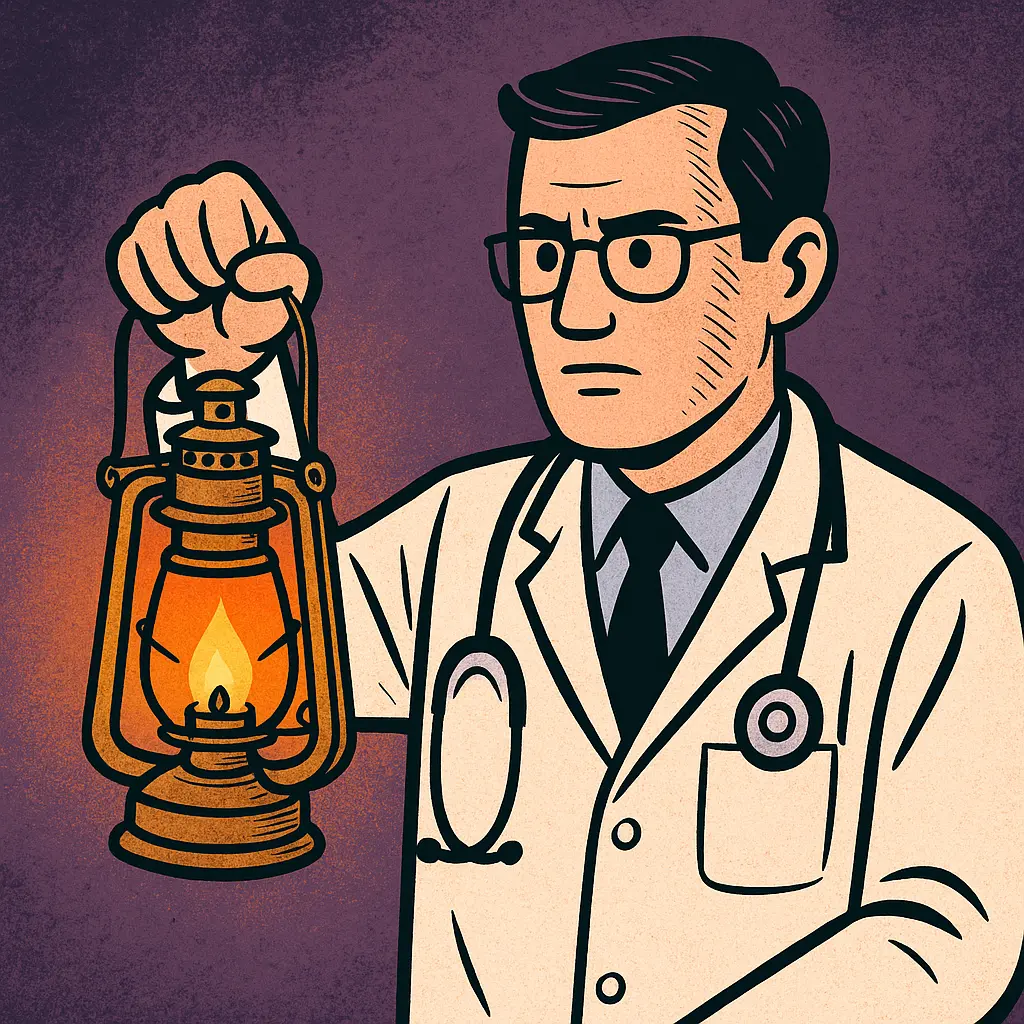
Systemic Gaslighting: Let’s Finally Say It Out Loud

You Know It, I Know It: Systemic Gaslighting Is Real

Let’s stop pretending this isn’t happening.

You know the feeling. You go to the GP or A&E with something serious, something that’s quite literally threatening your health or your life—and you get fobbed off. Not just dismissed, but unacknowledged. It’s as if your suffering never even entered the room. I once went through a period where due to my dysphagia (difficulty swallowing foods), I couldn’t swallow anything—not even liquids—and three different doctors didn’t just ignore the urgency. They didn’t even acknowledge that not eating or drinking might be life-threatening.

That’s not a misunderstanding. That’s gaslighting at a structural level.

We don’t always use that word in this context, but maybe it’s time we did. Because the plausible deniability this system thrives on? It’s wearing thin. It’s implausible now. And yet the more glaring the denial becomes, the more we’re made to feel crazy for seeing it.

When the system fails you repeatedly, when it actively erodes your trust in your own perception, it doesn’t feel like negligence. It feels like being crushed. Slowly, deliberately. With no admission of force.

And if you’re neurodivergent? It’s a whole extra layer of hell. I’m autistic. I have social phobia. I don’t perform distress the way they expect. I don’t cry on cue. I don’t shout. I process. And because I process, I’m read as cold, or fine, or “not that bad.”

So I mask. I over-explain. I try to predict what they want from me, how to appear distressed in a way they’ll believe. But it always feels off. Like I’m being baited into dishonesty just to prove my honesty. And that makes them feel justified in writing me off.

This is what systemic gaslighting looks like:

  • They act like they care.
  • They position themselves as your advocate.
  • But every policy, every interaction, every flicker of body language says: “We’re not spending money on you if we can help it.”

I’ve warned others before. Told them: don’t be fooled by the performance of care. If you have the strength, call it out in the moment. Name the evasion. Ask for honesty. Demand respect. But know that they have tactics too. And they’re good at them.

So what keeps me going? Partly survival instinct. Partly the sheer disgust at how far we’ve allowed this to go. But mostly: the knowledge that it doesn’t have to be this way. That somewhere under the mountains of bureaucracy and gluttony and cruelty, there’s a version of the world where institutions actually listen. Where they respond with compassion, not scripts. Where people aren’t punished for needing help.

And until that world is real, I’ll keep writing. Even if no one hears it right now, the truth is here, in black and white.

You know it. I know it. Let’s stop pretending.