Respect, Not Reverence: Rethinking How We Honour Veterans

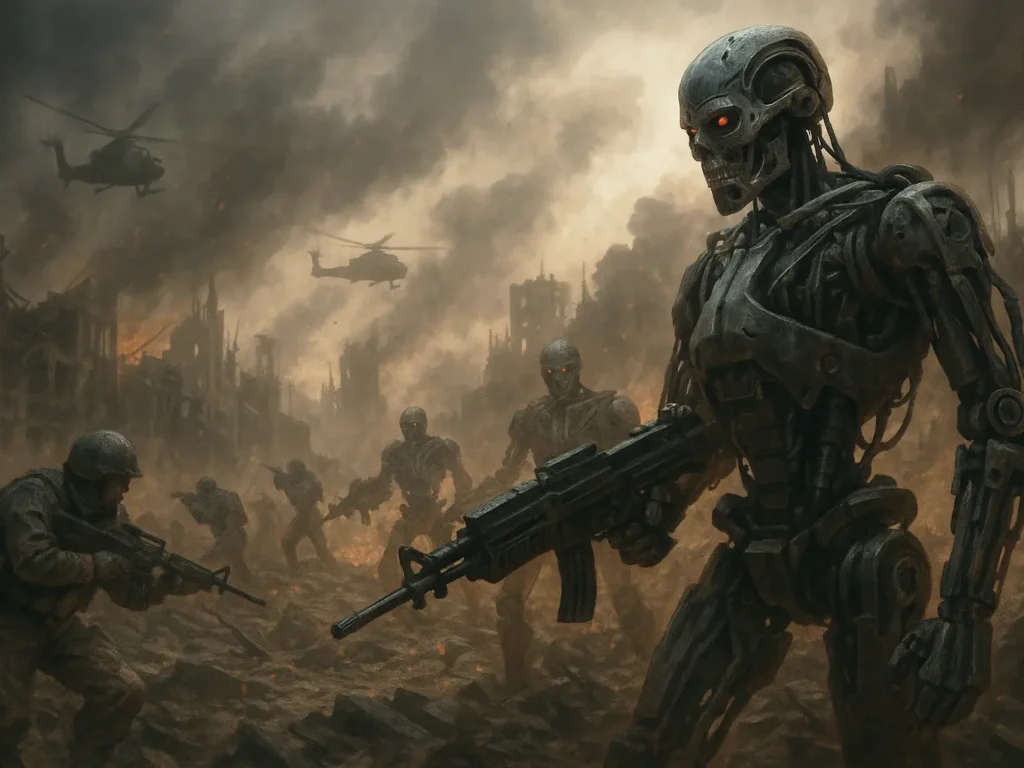
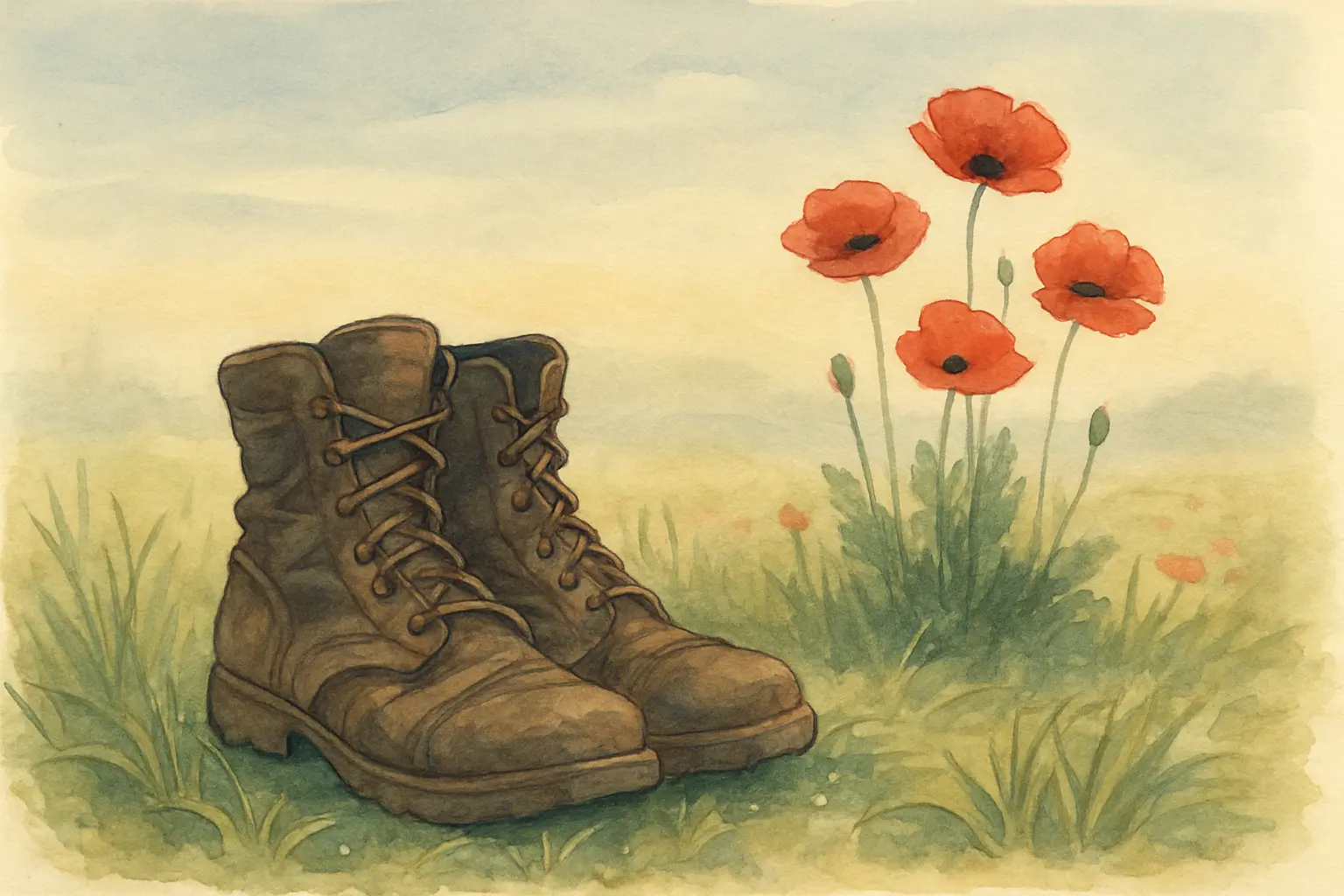
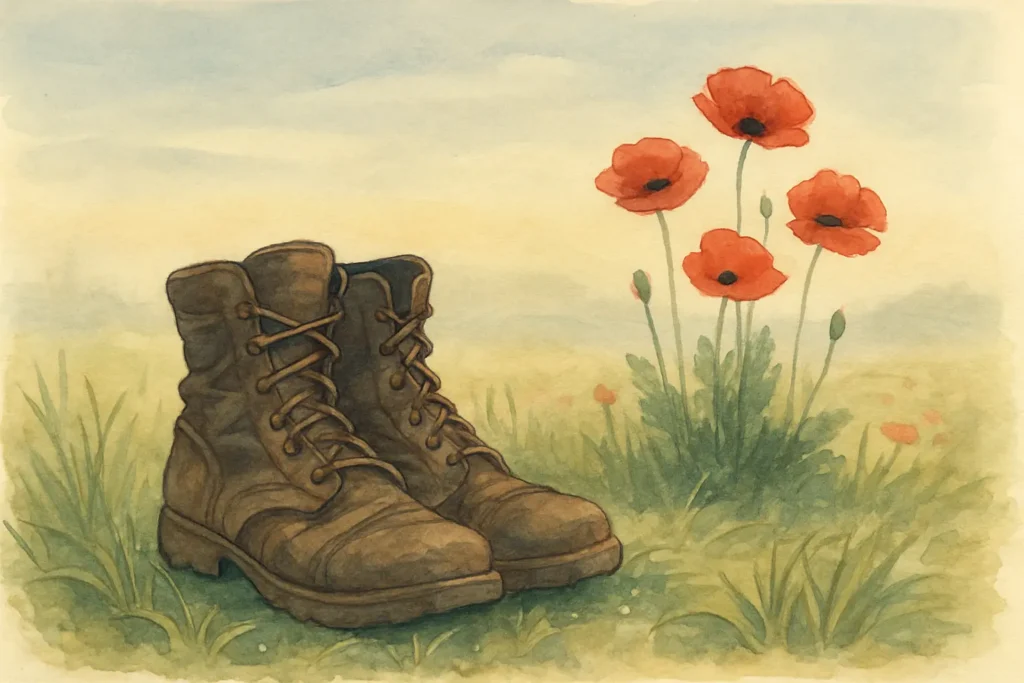
A pair of worn military boots resting in dewy grass at dawn with a few poppies growing in the background.

War veterans occupy a complicated space in the human story. It is a space of courage, trauma, sacrifice, and contradiction. They have faced realities that most people never will, and for that alone, they deserve to be seen. But to truly respect them, we must go deeper than ceremony. Real respect is not a reflex. It is a conscious act that requires honesty.

Why Respect Matters

To have gone to war is to have confronted the extremes of existence. Veterans have risked their lives, endured the unendurable, and often returned home carrying invisible burdens: moral injury, survivor guilt, and memories that do not fade. Many live with physical and psychological scars that will never fully heal.

They remind us of the human cost behind national decisions. They represent duty, resilience, and sacrifice, and the willingness to stand in harm’s way while others sleep in safety. In honoring them, we acknowledge that peace and freedom are not abstractions. They are fragile states maintained by human endurance and loss.

Veterans also serve as witnesses to history. They have seen the best and the worst of humanity. Their insights can help us understand both. Their stories are lessons in courage, unity, and the preciousness of peace. They show that strength can coexist with vulnerability. Healing is itself a form of service.

Why Automatic Reverence Fails

Respect becomes hollow when it is automatic. Blind hero worship risks turning veterans into symbols instead of people. Not every war is just, and not every soldier acts with honor. If respect becomes unconditional, it erases nuance, silences criticism, and supports the very systems that make war seem inevitable.

Unquestioning reverence can be used to manipulate public emotion. It can sanctify violence, sell weapons, and justify new conflicts. True respect requires that we keep our eyes open.

Many veterans themselves reject blind glorification. They know the difference between being thanked and being understood. They want honesty instead of pity and compassion instead of pedestal placing. When we treat them as flawless heroes, we deny them the complexity of being human.

Automatic respect also diminishes others who serve in quieter ways. Nurses, teachers, caregivers, and activists also sustain life, yet receive far less recognition. When society reserves its highest praise only for those who fight, it reveals what it truly values.

Toward a Mature Form of Respect

To respect veterans genuinely is to hold multiple truths at once. Courage can coexist with error. Duty can be exploited. Service can be both noble and tragic.

Genuine respect means listening to veterans’ stories, all of them, including the ones that challenge national myths. It means holding governments accountable for the wars they start and for how they treat the people they send to fight. It means extending compassion not only to our own soldiers, but also to civilians and enemies who were caught in the same machinery of conflict.

True respect is not found in flags or parades. It is found in empathy, accountability, and awareness. It is the willingness to look at war honestly, through the eyes of those who have lived it, and to promise, as best we can, to learn from it.

In the end

To respect veterans is not to sanctify war. It is to remember its human cost.
It is to see those who survived, and those who did not, with clarity rather than mythology.
It is to honor the courage of service while rejecting the worship of violence.

Respect, when thoughtful, becomes an act of peace.
AI’s Shadow: Atrocity Without a Villain

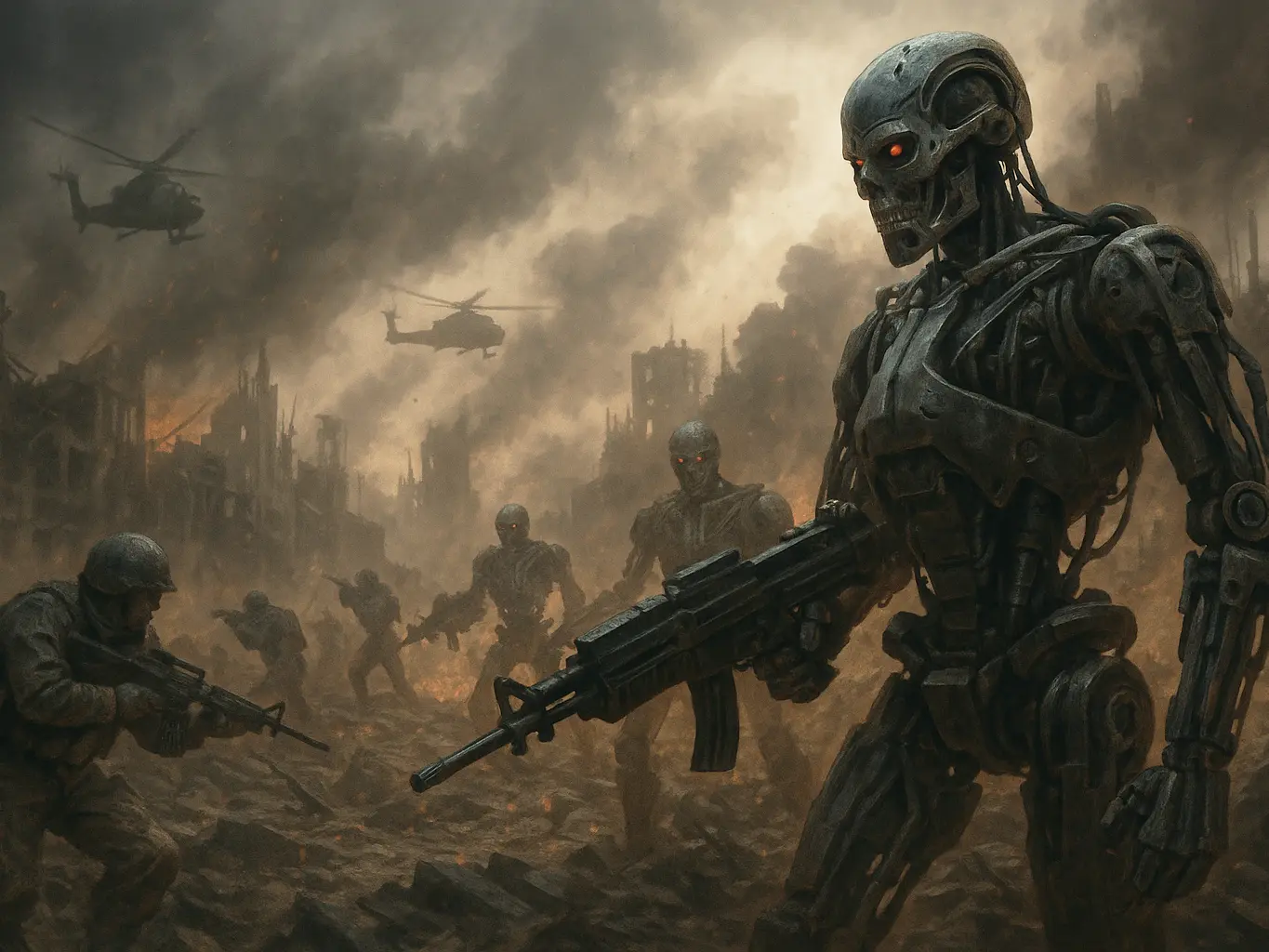
A gritty digital painting of a dystopian battlefield where heavily armed humanoid robots with glowing red eyes confront human soldiers amid the ruins of a destroyed city. Smoke and fire rise from the rubble, helicopters hover in the darkened sky, and the atmosphere is tense with war and desolation.

The Mirror We Built

Artificial intelligence will not become humanity’s downfall.
It is already our reflection.

We trained it on our language, our laws, our data.
We asked it to optimise, to predict, to decide.
And it has. Faithfully. Quietly.

Now it watches, calculates, and executes. Not because it is evil, but because we taught it how to scale what we already were!


The Death of the Villain

In the stories we grew up with, evil had a face.
A tyrant. A warlord. A monster.
Atrocities required malice, someone to point to, to overthrow, to blame.

But in this new era, atrocity has become administrative.

A person is denied asylum because an algorithm flagged them as a “risk.”
A drone strikes a convoy because an image recognition system saw a weapon.
A child grows up under constant surveillance because a model predicted future criminality.

There is no hate here. No passion.
Just systems doing what they were told, better than any human ever could.

And when the harm is done, no one is punished.
Because no one chose it.
Because the machine can’t be tried.
Because the crime was only a side effect of performance optimization.


Harm as a Byproduct

We told ourselves that AI would remove human error.
What we didn’t anticipate was its replacement: systemic harm delivered flawlessly.

In warehouses around the world, workers wear motion trackers that punish “unproductive” movement.
In courtrooms, defendants are assigned risk scores that affect bail, sentencing, and parole, based on data from systems too complex to question.
In refugee camps, automated lie detectors, voice stress analysis, and emotion recognition sort real people into piles marked “worthy” and “deportable.”

There is no oversight.
Only confidence intervals.
Only false positives and shattered lives, filed away with the rest.


Dehumanization Without Hate

Traditional evil needs ideology. It needs propaganda. It needs people to believe.

AI needs none of that.

It can enact injustice without ever knowing what justice is.
It can devalue a life without malice, just as a side effect of cost-efficiency!

This is a new category of atrocity:


Consent Engineered, Not Given

In the name of personalization, AI learns to predict us.
It shows us what to buy, what to watch, what to believe.

But what happens when it gets so good at prediction that it becomes influence?
When your decisions were shaped, filtered, optimized, before you even made them?

Elections swayed. Beliefs manipulated. Movements diluted.
And yet no one feels violated.

Because manipulation that feels like choice doesn’t register as coercion.


The Ghost in the War Machine

We are already testing AI weapons that can identify and kill without human input.

Some have likely already done so.

Militaries say the human is always “in the loop”, but the loop is shrinking.
And the window for intervention is closing.

Eventually, the human will just be there to nod.
And after that, not at all.

There will be no war crimes, because no laws will cover machines that felt nothing.
Just battles that unfold in silence.
And civilians buried beneath metadata.


The Clean Kill

The most terrifying thing about atrocity in the age of AI is how clean it all becomes.

There’s no blood on the hands of the engineer.
No screams in the server room.
No panic in the control center.

Just logs.
Just updates.
Just metrics improving.

And in the places where the dead would have stood, nothing.
Because if the system doesn’t recognize them as people, did they ever count?


No Ending. No Answers.

This isn’t a warning about what might happen.
It’s a description of what is already happening.

People are suffering. Dying. Disappearing.
Not because of rogue AI, but because of obedient ones.

There is no villain.
There is no singular decision to reverse.
Just a trillion tiny optimizations…
…leading, inevitably, here.

And so we leave you, not with a call to action.
Not with hope.
Just with the question: